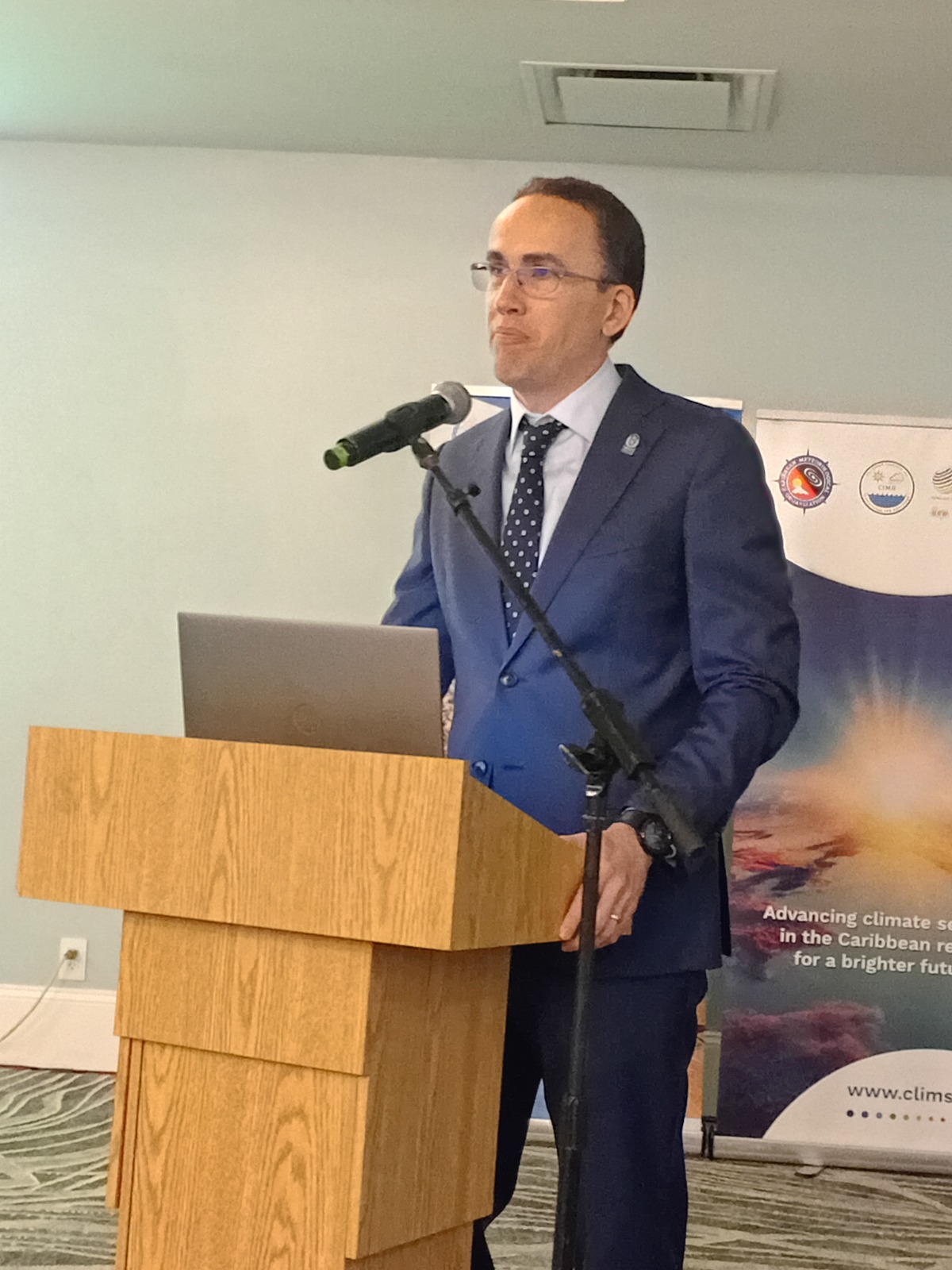
As the 2024 Atlantic hurricane season gets underway, the Caribbean region faces a complex web of overlapping climate hazards that extend far beyond the typical risk of tropical cyclones, according to the area’s leading climatology expert. Even with official forecasts calling for a below-average number of named storms and lower-than-usual total seasonal rainfall, Dr. Cedric Van Meerbeeck, head of regional forecasting at the Caribbean Institute for Meteorology and Hydrology (CIMH), is urging Barbados and neighboring nations not to lower their guard against a dangerous mix of persistent drought, prolonged extreme heat, delayed monsoon rains, and sudden flash flooding.
At the center of this elevated risk is the strengthening El Niño weather pattern currently developing across the equatorial Pacific. El Niño is historically linked to delayed onset of the Caribbean wet season, a trend that is already visible across Barbados, where months of below-average precipitation have created ideal conditions for widespread uncontrolled wildfires. While these blazes will eventually be extinguished once consistent rains arrive, the current forecast points to a higher-than-normal probability that dry conditions will linger for weeks longer than usual. Van Meerbeeck emphasized that this projection is a probability, not a certainty – and even a single extreme weather event could break the dry spell in catastrophic fashion.
Counterintuitively, prolonged dry soil actually increases the risk of life-threatening flash flooding when heavy rain does finally arrive. Drought conditions compact topsoil, reducing its ability to absorb moisture rapidly. When large volumes of rain fall in a short period on this compacted ground, almost all water runs off the surface immediately, triggering sudden flash floods that can overwhelm drainage infrastructure and catch communities off guard. Even if total annual rainfall ends up below the long-term average, the region is still likely to see fewer, more intense rain events – each carrying a significant flood risk.
This extended dry period also carries long-term consequences for water security. Van Meerbeeck noted that key reservoirs across the region are already operating at below-normal capacity, and a prolonged dry season would leave reserves depleted heading into the next annual dry period, stretching water management resources thin.
Extreme heat represents another underrecognized threat that is set to impact the region from August through October, according to CIMH forecasts. Unlike daytime heat, which many communities are accustomed to, the coming heatwave is expected to bring unusually warm overnight temperatures that pose outsized risks to public health. Persistently hot nights prevent the body from cooling down and disrupt critical sleep, increasing the risk of heat-related illness, exacerbating chronic conditions, and reducing workforce productivity over extended heat events. Vulnerable populations – including low-income households, elderly residents, and people with pre-existing health conditions – are at particular risk, as many lack access to consistent cooling such as air conditioning or high-powered fans, Van Meerbeeck pointed out.
The coming heatwave also overlaps with an ongoing global energy crisis amplified by the Middle East conflict, which has already pushed energy prices to elevated levels across the Caribbean. Rising demand for cooling will put additional strain on energy grids and increase monthly utility costs for consumers, creating a public policy challenge that leaders across Barbados need to address proactively.
While Barbados faces a lower-than-usual risk of direct hurricane or major storm impacts this year due to shifted storm tracks that place the highest risk in the northern Caribbean, the country will still face prolonged heat through the late summer, and a particularly dangerous post-storm heat hazard that the CIMH is warning the region to prepare for.
Van Meerbeeck highlighted a little-studied but deadly climate hazard: extreme heat that develops immediately after the passage of a hurricane or tropical storm. The outer bands of tropical systems create atmospheric conditions that are highly favorable for sudden heatwaves. In the aftermath of a storm, however, many residents have lost their shelter, are without electricity for cooling, and are already physically and emotionally exhausted from responding to the storm. This combination makes post-hurricane heatwaves a disproportionately deadly hazard, even when the storm itself caused relatively little direct damage. While Van Meerbeeck said it is not certain this scenario will unfold in Barbados this year, it is a major risk for other parts of the region that communities across the Caribbean need to plan for.
Across all hazards, Van Meerbeeck’s core message to the region is consistent: preparation remains non-negotiable. Even with lower-than-average forecasts for cyclones and rainfall, the overlapping risks of drought, heat, and flash flooding mean communities must maintain readiness protocols and plan for a range of extreme weather outcomes as the season progresses.