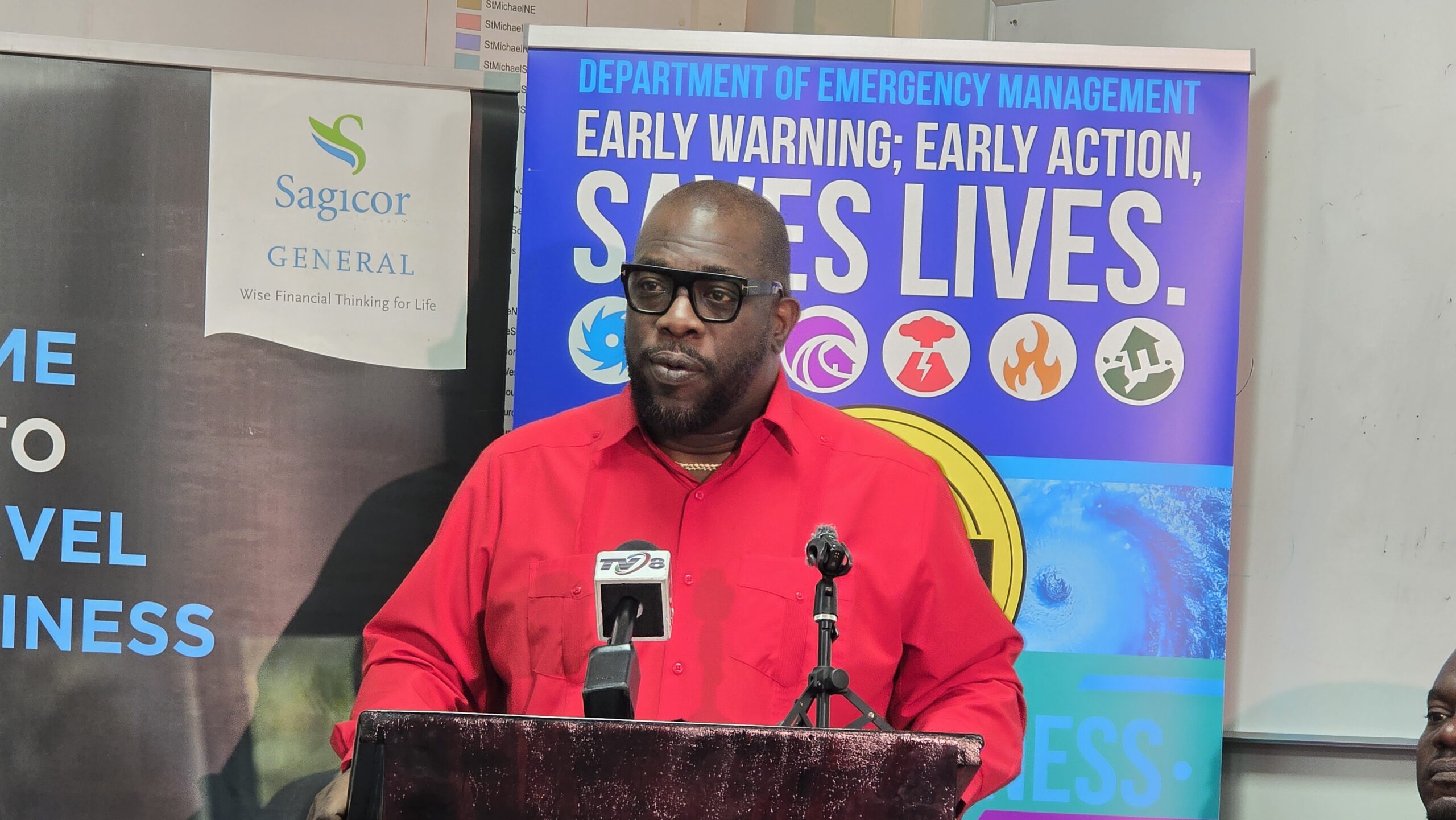
Against a backdrop of months of disrupted water access, falling reservoir levels and official forecasts pointing to continued below-average precipitation, Barbados’ government has confirmed that mandatory water restrictions are not currently on the table, according to Home Affairs and Information Minister Gregory Nicholls. Speaking publicly on Monday, Nicholls framed the island’s growing water challenges as a direct consequence of a shifting global climate, noting that reduced rainfall has made periodic supply shortages an unavoidable reality for the small island nation. Though authorities have not yet moved to implement bans or limits on water use, he emphasized that teams at the Barbados Water Authority are continuously tracking hydrological data and monitoring network conditions to respond to changing circumstances. The minister’s update comes amid growing public frustration across multiple Barbadian communities, where recurring service outages and subpar water quality have become persistent daily disruptions. For weeks, residents in St David’s, Christ Church have reported a complete lack of consistent, reliable water access. Communities in St Joseph have stepped up calls for urgent intervention, even as the government has signaled major long-term investment in water infrastructure. In St Lucy, locals have for years raised alarms about discolored water and ongoing supply interruptions that disrupt routine household activities. Acknowledging the seriousness of the current situation, Nicholls confirmed that officials share deep concern over the ongoing precipitation deficit. Meteorological Service projections for continued below-average rainfall have put extra pressure on the island’s water management system, he noted, a challenge amplified by Barbados’ unique water infrastructure context. Unlike nations with multiple water sources, the entire public water supply on the island relies on rainfall to recharge natural underground aquifers, meaning precipitation patterns directly impact available reserves. Beyond just the total volume of rain, Nicholls explained, the intensity and timing of storms also shape how much water actually enters usable reserves. Heavy, fast downpours tend to create large amounts of runoff that flows directly into the Atlantic Ocean rather than seeping into the ground to replenish aquifers. Prolonged, gentle rainfall is required for effective groundwater recharge – conditions that have been increasingly rare amid current climate patterns, creating a structural challenge for water managers. To address both immediate disruptions and long-term water security, the Barbadian government has already launched a multi-pronged upgrade strategy. Earlier this year in April, Prime Minister Mia Mottley finalized a $160 million financing agreement with the Inter-American Development Bank to fund full modernization of the island’s aging water network. The project targets major reductions in systemic water loss – a common issue in old infrastructure that wastes precious available supply – and aims to improve service reliability across every region of the country. Beyond the network modernization, the government has also outlined plans to expand desalination capacity and replace aging water mains, moves designed to build long-term resilience against the increasingly unpredictable rainfall patterns driven by climate change. As monitoring of groundwater levels and precipitation continues, Nicholls reaffirmed that the government’s top priority is preventing extended water access crises for residents, and that mandatory restrictions remain off the immediate policy agenda.