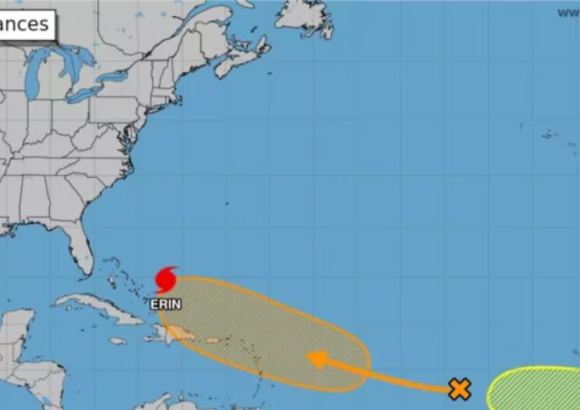
As the 2026 Atlantic hurricane season approaches, communities across the Caribbean, including the Dominican Republic, are bracing for the six-month high-risk period that runs officially from June through November. While national meteorological agencies and disaster management authorities issue annual alerts and preparedness guidance to help residents weather potential storms and hurricanes, repeated dangerous missteps continue to threaten public safety across the region, putting countless families and local communities in unnecessary jeopardy.
The most widespread critical error residents make is underestimating the severity of official government and weather service warnings. Far too many locals discount the projected path and intensity of incoming systems, choosing to delay preparations instead of acting early. This last-minute rush to get ready drastically cuts down the time available to secure property and evacuate if needed, leaving people far more vulnerable to injury, property damage, or worse when storm conditions hit.
A second common preparation failure involves failing to conduct pre-season inspections and repairs on key parts of residential properties. Roofs, exterior windows, and residential drainage systems are the first lines of defense against heavy rainfall and strong wind gusts that come with tropical cyclones, but many homeowners skip routine checks to fix weak spots or clear blockages ahead of the season, leaving their homes open to major damage.
Recent historic flooding in the Dominican Republic’s capital of Santo Domingo, captured in on-the-ground photography by photojournalist Elieser Tapia, serves as a stark reminder of the real-world damage inadequate preparation can cause. Beyond property checks, many households also lack a formal, practiced family emergency plan, a gap that creates dangerous chaos when storm conditions develop rapidly. Improvising decisions mid-storm puts children, elderly relatives, and people with disabilities or chronic illnesses at particular risk, as confusion can lead to delayed evacuation or missed critical needs.
Compounding this gap is the frequent lack of pre-stocked emergency supply kits. Many residents fail to stock up on the essentials they would need during a multi-day power outage or evacuation order: potable drinking water, non-perishable food that does not require refrigeration, working flashlights, extra batteries, and critical prescription medications. All of these items should be gathered and stored in an easy-to-reach location long before any storm warning is issued.
Another life-threatening mistake many households make is failing to map out pre-identified safe emergency shelters and mapped evacuation routes ahead of a storm. During active tropical weather emergencies, every minute counts when evacuation orders are issued, and knowing exactly where to go and how to get there can mean the difference between life and death. Officials also warn of another avoidable risk: relying on open-flame candles for light during widespread power outages. Candles are a major fire hazard, especially in damaged homes, and authorities advise all households to use rechargeable flashlights or battery-powered lanterns instead to eliminate this risk.