As world leaders prepare to gather for the 64th Session of the UN Subsidiary Body for Climate Change in Bonn, a bloc of the world’s most climate-vulnerable nations is amplifying a urgent, unified call for global climate justice, equitable support, and bolder international action to protect their futures from escalating climate disaster.
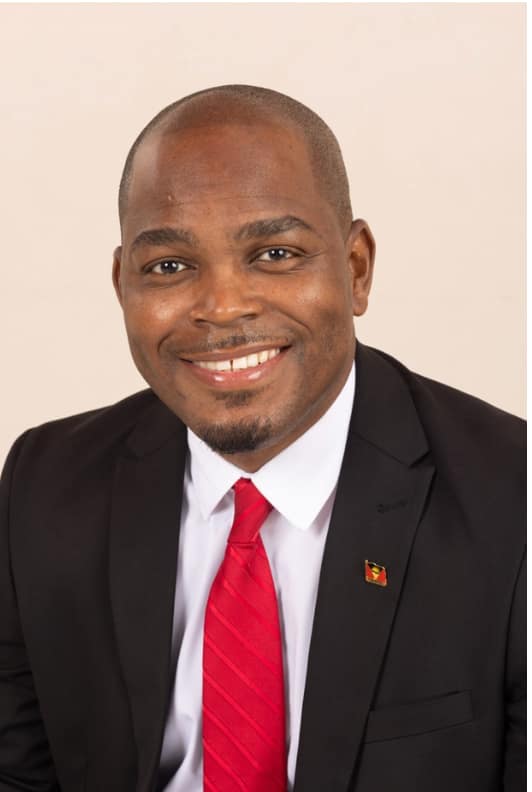
Leading the charge ahead of the high-stakes negotiations, the Alliance of Small Island States (AOSIS) hosted the “New Tools to Save 1.5°C” forum on May 27, bringing together negotiators and national leaders from Small Island Developing States (SIDS) to lay out their core priorities for the upcoming talks. The forum’s keynote address came from Michael Joseph, cabinet minister responsible for health, wellness, environment and civil service affairs for Antigua and Barbuda, who laid out a clear set of demands for wealthy, high-emitting nations: ramp up ambition for greenhouse gas emissions cuts, and tear down economic and structural barriers that block SIDS from accessing life-saving climate finance.
Joseph emphasized that this push for reform is not a political request—it is an existential necessity for SIDS, which bear a wildly disproportionate share of climate harm despite contributing almost nothing to global greenhouse gas emissions. Repeated climate shocks, from intensifying hurricanes to sea level rise, have derailed development progress across small island nations, creating a persistent drag on long-term growth that the international community has yet to address adequately.
“We contribute the least to emissions, but our exposure is one of the highest,” Joseph told the international audience gathered at the forum. “A hurricane throws our economies back for decades. Our countries deserve the right to same level of sustainability as everyone else.”
The Antigua and Barbuda minister also highlighted a crippling structural flaw in the current global climate finance system that penalizes vulnerable small nations. While Antigua and Barbuda is formally categorized as a high-income economy, it remains extremely vulnerable to climate disasters, and its income classification disqualifies it from accessing most low-interest official development assistance. This creates a brutal cycle: when a climate disaster hits, the country must take on high-cost debt to fund recovery, leaving it trapped in a loop of debt and repeated reconstruction that never builds long-term resilience.
Antigua and Barbuda has already made progress in navigating the complex global climate finance system, recently expanding its accreditation to unlock access to up to $250 million in combined grants and concessional loans through the Green Climate Fund. This milestone has positioned the country as a model for other Caribbean SIDS looking to access global climate funding. Even so, Joseph explained, a critical bottleneck remains: limited local institutional and technical capacity to design, approve, and roll out climate resilience projects once funding is secured.
“Antigua and Barbuda has proven that SIDS can access certain climate finance, but actually receiving and rolling out the funds remains a challenge due to our capacity limitations,” Joseph said. “It’s a lot easier for larger countries. For SIDS, we need long term investment in capacity building. We must also look at the unique circumstances of each country and tailor solutions to our specific needs as smaller or larger islands. We all need to build resilience, and the only way we can do this is through financial mechanisms which evolve to effectively support the most vulnerable.”
AOSIS Chair Ambassador Ilana Seid echoed Joseph’s calls for urgent action, pointing to the growing and dangerous gap between what nations have promised in their national climate commitments (known as Nationally Determined Contributions, or NDCs) and the real-world action delivered on core priorities for SIDS: climate finance, capacity building, and technology transfer. Seid made clear that AOSIS’s top goal at the Bonn negotiations is to secure formal international recognition of SIDS’ unique vulnerability and the specific implementation barriers that stand in the way of their resilience building efforts.
As negotiations get underway in Bonn, the unified voice of SIDS puts renewed pressure on large, high-emitting economies to deliver on decades-old climate finance promises and address the structural inequities that threaten the very existence of small island nations.