In the wake of widespread debate surrounding Broki’s recent Surinamese national football championship, veteran football commentator Mireille Hoepel has pushed back against criticism that claims the underdog club’s title win was unfair, arguing that the trophy was fully earned through relentless hard work and tactical focus.
Much of the public criticism has centered on two core claims: first, that Robinhood, the losing finalist, deserved the title more because it led the league table throughout the entire regular season. Second, critics argue that Robinhood, with its long history of regional success and established regional reputation, would have been a far better representative for Surinamese football on the continental stage.
Hoepel rejects both arguments outright, reminding critics that football matches are decided by in-game performance on match day, not historical prestige or past achievements. Broki, she emphasizes, fought its way to the title step by step, knocking off multiple larger, more fancied clubs along the road to the final. This championship win is far from a fluke: the club proved that consistent, hard work can turn limited resources into major success.
What makes Broki’s run even more remarkable, Hoepel explains, is the constrained context the team and its technical staff operated within. With very little preparation time available, the club could not afford to spend weeks drilling complex set patterns of play to outwit opponents. Instead, the staff started with a modest goal: limit damage against bigger rivals and stay competitive. Gradually, as the team picked up win after win, they adjusted their targets upwards, eventually lifting the coveted national title. The coaching staff pulled together a cohesive unit from the playing talent they had available, and that chemistry allowed them to take down one giant opponent after another. Hoepel argues that this underdog success story holds lessons for football teams across the region, and Broki’s achievement deserves to be celebrated, not questioned.
She goes on to challenge critics with a series of uncomfortable questions that cut through the narrative of an ‘unfair’ title. If Broki is really as weak as its detractors claim, what does that say about the quality of every established club that the underdog defeated one after another? How strong can Robinhood really be if it could not beat a supposedly weak Broki side in the final? Would there be this much outcry over competition format if Robinhood had ended up as the winner? Why should younger, less established football organizations not be allowed to achieve success? Shouldn’t the traditional powerhouses of Surinamese football be looking inward to figure out why they could not stop Broki’s run?
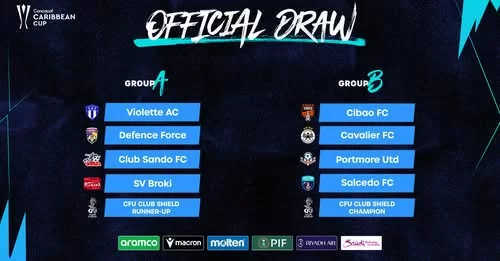
Critics also claim that Broki will disappoint when it represents Suriname in regional CONCACAF competition, arguing Robinhood would have performed better. Hoepel counters that every team has to prove its worth anew every season, regardless of reputation. Even if Broki fails to earn regional honors, she notes, the club still earned its right to compete by winning the national title – a fact that cannot be erased. Hoepel also points out that past Surinamese champions have also failed to find success in regional competition, so poor regional results would not invalidate Broki’s domestic win.
Looking ahead, Hoepel says the work now falls to Broki’s board and coaching staff to strengthen the squad responsibly in preparation for regional competition. At the end of the day, Broki won the championship fair and square by beating every opponent placed in its path. As the official national champion, the club has earned its place on the regional football stage.