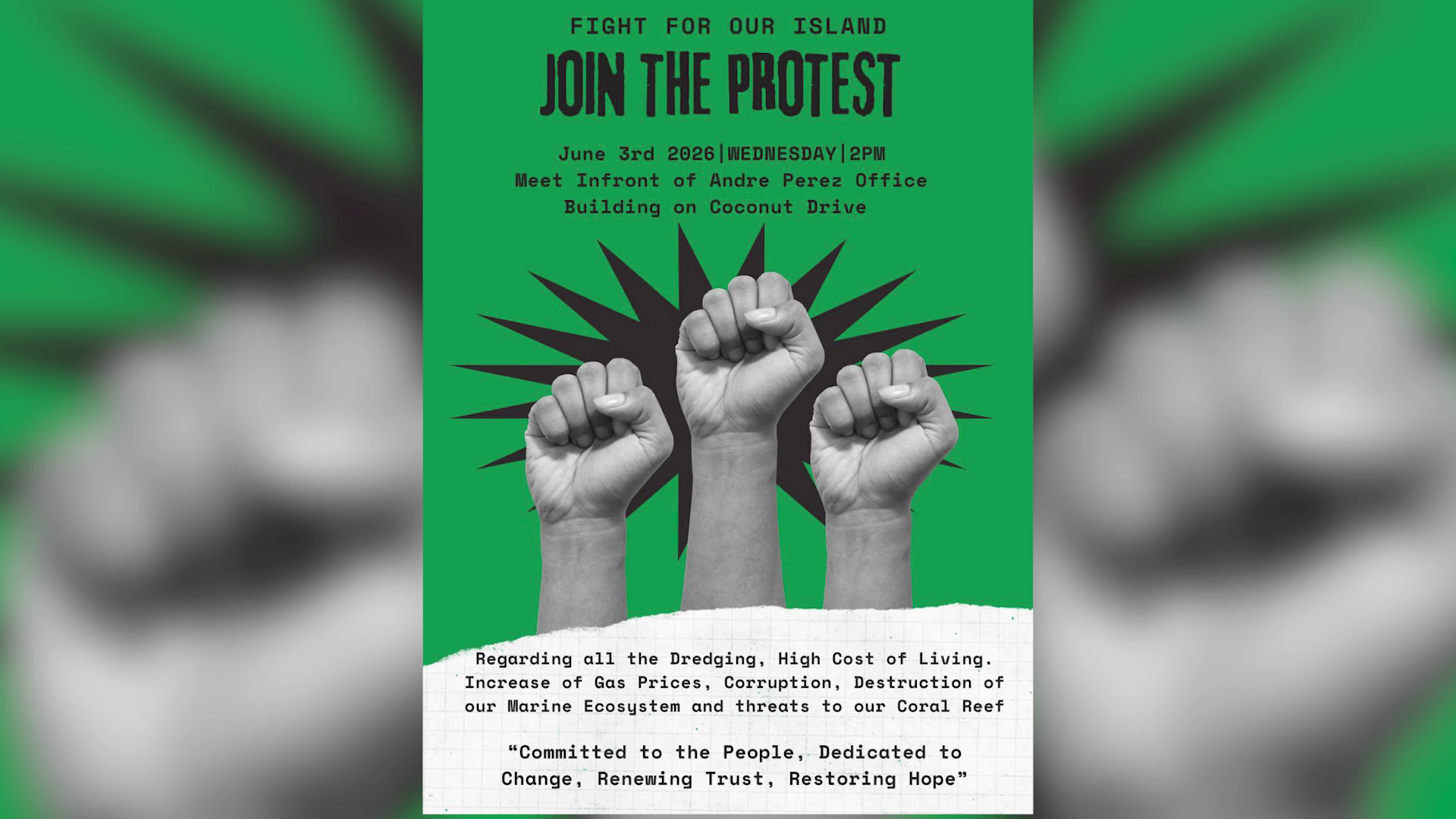
On the sun-soaked resort island of San Pedro, simmering public frustration over skyrocketing living costs has boiled over into planned public action, with a coordinated protest set to take place outside Area Representative Andre Perez’s office on June 3. Organized by local island resident Celestino Tzul, the demonstration brings together a broad cross-section of the community fed up with multiple overlapping economic pressures that have made daily life on the island increasingly unaffordable.
Tzul, who has spearheaded the organizing effort, laid out the core grievances driving residents to take to the streets. Beyond the already crippling general cost of living crisis, he pointed to predatory pricing around fuel as a particularly painful burden for local families. Many vendors immediately raise prices on existing inventory as soon as global fuel costs climb, he explained, passing extra margins onto consumers who have no choice but to absorb the added cost. Rent alone, he noted, has become an overwhelming hurdle for working people, with affordability worsening steadily over years rather than just months.
While price control regulations were introduced by authorities last year, Tzul argued the measures have been entirely toothless. Regulators have not enforced the rules consistently, he claimed, leaving suppliers and vendors to set prices unchecked with little accountability. The result is a cost spiral that has made San Pedro not just unlivable for local workers, but even less accessible for the tourists that form the backbone of the island’s economy, he added.
Interviews with local residents on the ground confirm the widespread depth of the crisis. One local pointed to exorbitant food prices as a daily struggle, noting that a single basic burrito now costs $6 Belize, and a $20 trip to the grocery store leaves shoppers with no change left over. Multiple residents confirmed that it is actually cheaper for them to travel to mainland Belize to purchase bulk groceries, cover the cost of ferry transport, and return home than it is to buy everyday goods directly on the island.
Another resident outlined the ripple effect of high prices across the local economy: the average household now needs to spend a minimum of $50 Belize a day just to cover basic needs, while local incomes and salaries have not kept pace. This slow-motion affordability crisis is dragging down every sector of the island’s economy, from golf cart rental businesses that rely on tourist spending to local small enterprises, as both locals and visitors cut back on non-essential spending.
In a response to the planned protest, Area Representative Andre Perez acknowledged the democratic right of residents to peacefully demonstrate, noting that Belize’s democratic framework guarantees the freedom to express grievances and organize public action. However, he downplayed the scale of discontent, suggesting the movement lacks broad public support and that the protest will not result in meaningful change. Perez emphasized that any demonstration must be conducted in a respectful manner that upholds mutual respect between all parties.
This report is adapted from a transcribed broadcast of a local evening news program, with Kriol-language commentary retained as transcribed by the original reporting team.