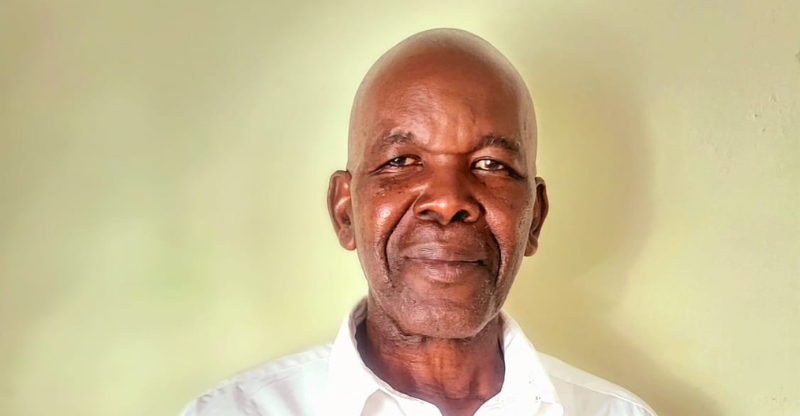
The National Taxi Union has been rocked by a second high-profile resignation in just 48 hours, with vice president Isidore Brisefert stepping down from his post Wednesday with immediate effect. His departure follows closely after public relations officer David Shakes Christopher exited the senior leadership team a day prior, marking the latest escalation of long-simmering internal tensions over current president Terry Valcin’s leadership.
In an official public statement announcing his exit, Brisefert laid out clear, damning concerns about Valcin’s approach to leading the organization and the strategic trajectory the union has taken under his tenure, echoing the criticisms shared by Christopher in his own departure announcement Tuesday.
Brisefert’s resignation letter centered on what he described as a persistent lack of collaborative, collective decision-making across the union’s executive body. He wrote that after careful, extended reflection, he could no longer remain in a leadership role under a president whose governing style increasingly leaned into authoritarianism rather than the democratic, consultative, collective representation that union members deserve.
The departing vice president went on to question the transparency and fairness of internal decision-making processes, alleging that key issues affecting frontline taxi operators are regularly settled without meaningful debate or consideration of alternative perspectives from executive members. Brisefert noted that this top-down approach has fueled rising frustration among the union’s top governing body, with little willingness from Valcin to course-correct.
“As vice president, I have always held that strong union leadership must be built on the foundations of fairness, openness, collaborative teamwork, and respect for every member’s voice,” Brisefert said in his statement.
He added that the union has failed to unify its membership and grow its industry influence under current leadership, in large part because the input of executive committee members is routinely sidelined or ignored entirely. Frontline taxi operators, he argued, need far more inclusive, effective leadership that prioritizes their needs.
“Our taxi operators deserve leadership that listens, includes all voices, and fights unapologetically for their best interests,” Brisefert said. “In these economically uncertain times, our members need unity, transparency, and trustworthy representation that shows up for them every day.”
Though he is leaving his senior vice president post, Brisefert expressed gratitude to the members who have supported his work and confirmed he will continue advocating for taxi operators across the country in a new, non-leadership capacity.
For his part, Christopher framed his own exit as the result of months of consideration, saying his decision reflected widespread, cross-executive concerns about the union’s current management structure. He argued that the core values that once anchored the union have eroded significantly under Valcin’s leadership, creating a situation where he could not in good conscience continue serving in his role.
These latest departures are not an isolated incident, but the outcome of years of unresolved leadership friction within the union. Former president Lucien Joseph first publicly questioned the legitimacy of Valcin’s leadership before stepping down in 2022, shortly after he lost a no-confidence vote from union members. The organization most recently held its Annual General Meeting and Conference of Delegates in March 2025 to address ongoing internal and industry challenges.
To date, President Valcin has declined to provide immediate comment on the dual resignations. He told local outlet St Lucia Times that he plans to deliver a full, detailed address on the situation at a general union meeting scheduled for June 1. That upcoming gathering will also tackle a slate of pressing industry-wide issues, including a proposed plan to launch a custom taxi service app and ongoing policy discussions about third-party transportation platforms such as Uber.