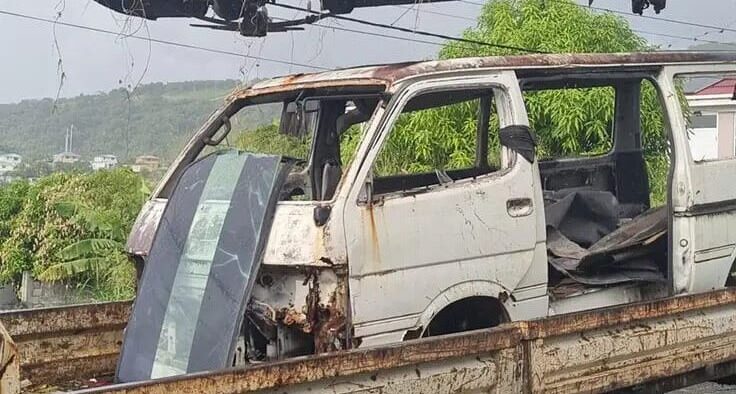
A coordinated clean-up initiative across two residential areas in Dominica has successfully cleared dozens of derelict abandoned vehicles, marking a key step forward in the island nation’s push for safer, healthier public spaces. The operation, carried out across the Coco Bottom and Goodwill communities, brought together multiple governmental and response organizations to address the long-standing issue of unclaimed vehicles blighting residential neighborhoods. Leading the effort was the Commonwealth of Dominica Police Force (CDPF), which partnered with the Solid Waste Division, the National Authorizing Office, and Rapid Response Recovery to execute the removal work.
This initiative is not an isolated clean-up, but a core component of the CDPF’s broader Community Policing Strategy, a framework designed to foster collaborative public safety work between law enforcement, local stakeholders, and community members. The strategy centers on proactive problem-solving rather than reactive response, targeting visible environmental and safety hazards that erode quality of life for local residents.
Law enforcement and public health officials have outlined a wide range of risks posed by derelict vehicles left on public roads, sidewalks, and community green spaces. Beyond the obvious aesthetic blight of decaying vehicles, these abandoned units create hidden public health threats: they frequently collect stagnant rainwater, creating ideal breeding grounds for disease-carrying mosquitoes, while decaying interiors and accumulated waste also attract rodent populations that can spread pathogens to nearby homes.
Safety risks extend far beyond public health, officials added. Abandoned vehicles often block narrow residential roads and critical pedestrian pathways, creating hazards for drivers, cyclists, and walking residents, particularly children and elderly community members. In some cases, law enforcement has documented that these unused vehicles are repurposed as hiding spots for illegal activity, ranging from drug storage to trespassing, undermining community safety.
Environmental and fire risks add another layer of concern. Leaking automotive fluids from decaying engine components can seep into local soil and groundwater, introducing toxic contaminants that harm local ecosystems and potentially impact residential water quality. Dry, decaying rubber and upholstery in derelict vehicles also create a significant fire hazard, especially during Dominica’s dry season, where a small spark can ignite a blaze that spreads to nearby vegetation or structures.
Following the completion of this round of removals, the CDPF has issued a formal public advisory to all vehicle owners across Dominica. Residents who currently hold unused, non-operational vehicles on public land are urged to move and dispose of them properly through official waste channels immediately. Any unclaimed derelict vehicles remaining on public roads or community spaces after this notice will be removed by authorities without further advance warning and disposed of at the official municipal landfill, the CDPF confirmed.
In a closing statement, the CDPF emphasized that maintaining safe, clean communities is a shared responsibility, calling for ongoing collaboration between residents, local businesses, and governmental agencies to address hazards before they escalate into larger public issues. “Let us work together to keep our communities safe, clean, and free from hazards,” the statement concluded.