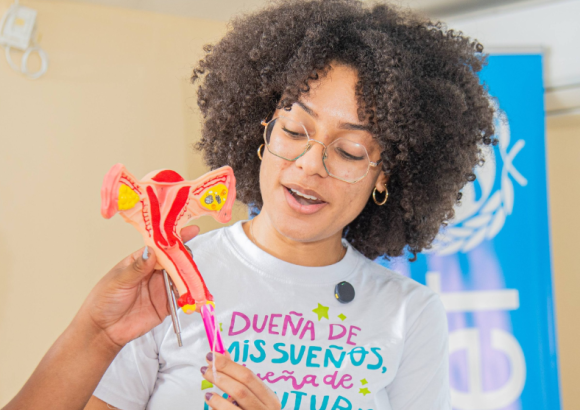
In the Dominican Republic, a concerning new data analysis from UNICEF has brought widespread systemic gaps in menstrual health management into sharp focus. Drawing on official survey data collected through the 2019 Enhogar-MICS initiative, the United Nations children’s agency found that more than one in five Dominican women are forced to halt their regular daily routines when they are menstruating, a statistic that underscores deep, persistent barriers to accessing dignified care for this basic biological need.
As the global community marked Menstrual Hygiene Day on May 28, UNICEF issued a pressing call for expanded, targeted interventions to ensure all girls and adolescent women across the country can manage their menstruation with dignity. The organization outlined that overlapping challenges—from restricted access to affordable, reliable hygiene products and inadequate sanitation infrastructure to a lack of evidence-based health education and supportive social environments—are actively undermining women and girls’ fundamental rights to health, equal access to education, and full participation in public and community life.
Carlos Carrera, UNICEF’s top representative in the Dominican Republic, stressed that equitable access to comprehensive menstrual health support is a non-negotiable foundation for advancing gender equality across the Latin American and Caribbean region. Carrera added that barriers to care have tangible, harmful consequences: a significant number of girls across the region skip school entirely during their menstrual periods, creating long-term gaps in educational attainment that entrench gender inequality. The report also shines a spotlight on the compounded challenges faced by adolescents living with menstruation-related health conditions such as endometriosis, which often amplifies pain and functional limitations that further restrict school attendance and engagement in daily activities.
To address these gaps, UNICEF has laid out a clear set of recommendations for national and local stakeholders, singling out the Dominican Ministry of Education as a key actor in driving change. The agency calls for urgent investments to upgrade school infrastructure, including expanding access to clean drinking water and individual, private toilet facilities for students, alongside ensuring free or low-cost menstrual hygiene products are readily available on school campuses. It also urges the integration of comprehensive, age-appropriate sexual education that covers menstrual health into national school curricula.
Beyond infrastructure and curriculum changes, UNICEF is pushing for targeted training to equip teachers to support students navigating menstrual health challenges, the development of robust gender-centered national public policies, widespread community outreach campaigns to reduce harmful stigma, and accessible psychological support for those navigating painful or disabling menstrual health conditions. A key, often overlooked component of the agency’s proposal is a call to actively engage boys and young men in open conversations about menstruation, an approach designed to break down social stigma, build broader community empathy, and foster a more inclusive, supportive environment for all.