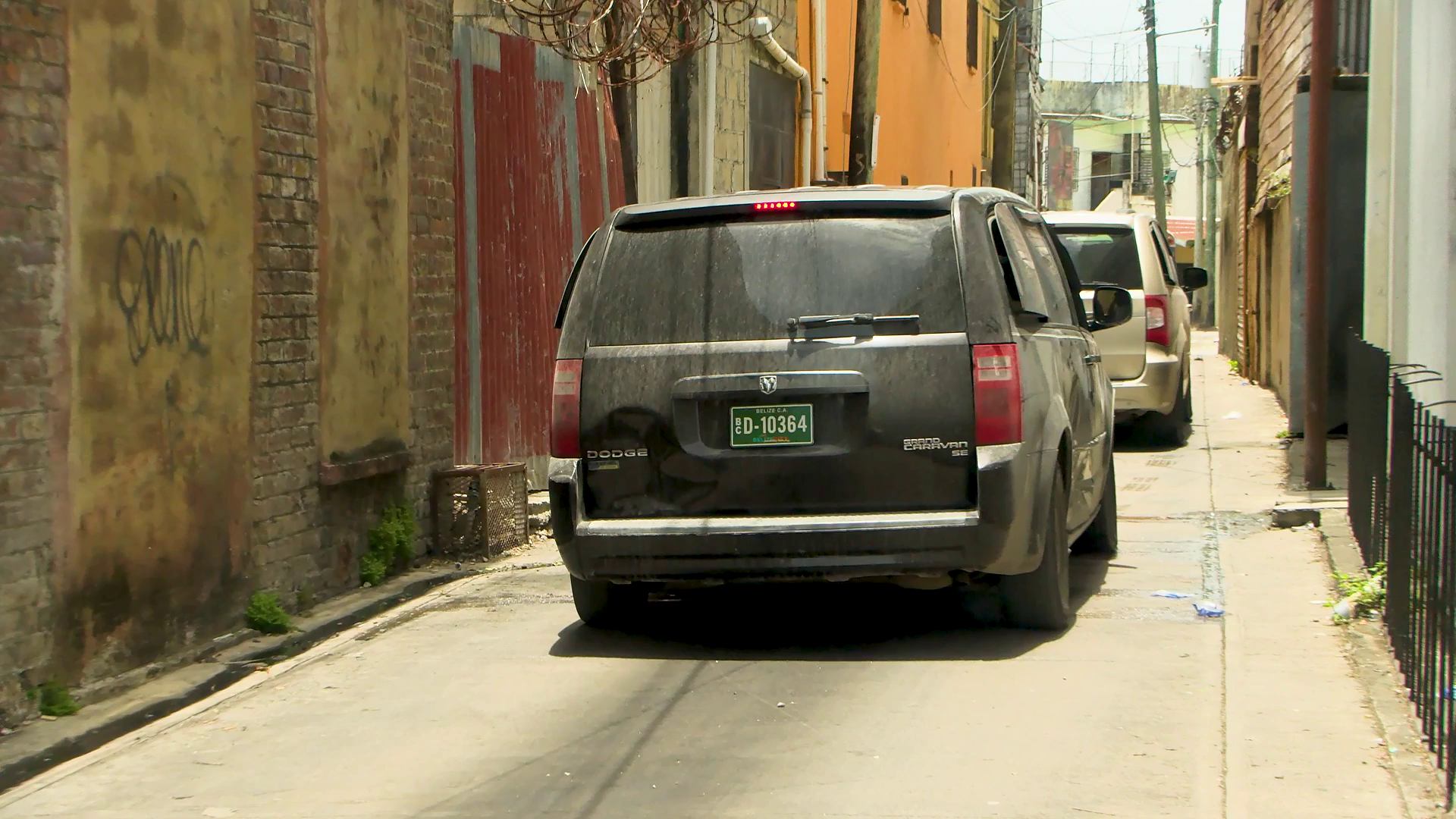
Belize City’s iconic dollar van service, long a staple of affordable local public transit, is set to implement a steep fare hike starting June 1, pushing the standard adult ride from $2 to $3. The price adjustment, which drivers and association leaders frame as an unavoidable financial necessity, comes as two mounting pressures—skyrocketing fuel costs and cutthroat competition from unregulated private ride services—continue to erode operator profit margins.
Fuel prices in the region now approach $15 per gallon, a sharp increase that has transformed daily operations for dollar van drivers, most of whom must refill their vehicles every single operating day. Paul Nwuaobi, Vice President of the Belize Dollar Van Association, outlined the crippling new cost structure facing drivers: Where operators previously spent between $100 and $110 on daily fuel, that figure has now jumped to nearly $160. “We basically end up working just for the gas station,” Nwuaobi explained, noting that many drivers go home at the end of the day with no tangible profit left after covering fuel and overhead. Beyond fuel, he added, rising costs for routine vehicle maintenance have also put greater strain on operators. To keep vans safe, roadworthy, and up to regulatory standards, drivers must cover increasingly expensive repair costs, making a fare adjustment critical to keeping the service operational. “Any business needs to turn a small profit to survive,” Nwuaobi emphasized.
The fare hike is not the first to hit Belize City’s public transit sector in recent weeks: Independent bus operators already raised their fares at the start of May, leaving daily commuters facing a cumulative hit to their household budgets. For residents who rely on dollar vans to get to work, school, and daily errands, the extra $1 per ride adds up quickly. Many local residents shared that the increase will force difficult budget trade-offs as the overall cost of living continues to climb across Belize. “For people who travel to work every day, you end up having to cut back on groceries just to afford bus fare,” one long-time daily commuter told News Five reporter Britney Gordon. Another local resident, who has two daughters commuting to work in the city daily, noted that working households will feel the impact almost immediately. Even as many residents acknowledge the pressure drivers face, the added cost remains a heavy burden, particularly for low-income families already struggling to make ends meet. One resident pointed out that the $3 fare only covers short trips, making the increase even more disproportionate for everyday riders.
In a decision designed to ease the burden on family commuters, the association has chosen to leave children’s fares unchanged at $1, a move meant to avoid compounding costs for parents traveling with multiple kids. “We know how hard it is,” Nwuaobi said of the choice. “If we raised kids’ fares too, parents traveling with multiple children would face an overwhelming extra cost, so we decided to leave that rate as it is.”
Beyond fuel and maintenance costs, the association is also grappling with ongoing competition from unregulated private pick-up services that operate along the same routes as dollar vans, undercutting regulated operators and pulling away riders, further cutting into driver earnings. The association confirmed it remains in active dialogue with the Belize City Council to address this issue and find a balanced solution for all transit providers. For now, drivers are holding out hope that the fare hike will keep their service afloat until broader economic relief brings down fuel costs, allowing fares to be adjusted downward again in the future. Even as the service outgrows its original “dollar van” name, operators remain committed to continuing their core role as an accessible transit option for Belize City residents.