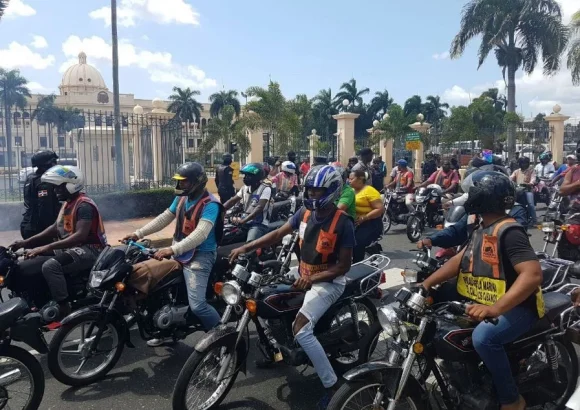
In Santo Domingo, prominent union leader and legal practitioner Mario Díaz has issued a stark warning about the mounting public challenges created by the explosive expansion of motorcycle taxis and the overall surge in motorcycle ownership across the Dominican Republic. Díaz characterizes the unregulated growth of two-wheeled vehicles as a pressing national crisis that is severely undermining road safety, disrupting urban mobility flows, and eroding public security across the country. He is calling on the national Government’s Transportation Cabinet to implement immediate, targeted interventions to reverse the current trend.
As a core component of a comprehensive regulatory strategy designed to curb rising traffic accidents and crack down on motorcycle-enabled criminal activity, Díaz has put forward a bold proposal: a two-year temporary moratorium on all motorcycle imports. He argues that the uncontrolled proliferation of motorcycles over recent years has directly fueled a cascade of public safety crises, including thousands of preventable road accidents, widespread disregard for traffic rules, chronic urban congestion, and a spike in criminal acts ranging from street robbery to more violent offenses that rely on motorcycles for quick getaways.
Beyond the import ban, Díaz has laid out a suite of additional regulatory reforms. He is pushing for more stringent eligibility requirements for motorcycle driver licensing, the rollout of more robust and traceable vehicle registration systems, tighter ongoing oversight of commercial motorcycle taxi operations, and targeted restrictions banning motorcycle traffic on major national highways and other high-speed intercity roads.
Díaz also emphasized the need for updates to the country’s existing traffic legislation, arguing that current laws fail to provide adequate legal protection for licensed four-wheel vehicle drivers who are involved in collisions caused by reckless and unqualified motorcyclists. He further stressed that sustained national public education campaigns on road safety, stepped-up targeted police enforcement of existing traffic rules, and harsher punitive penalties for repeat traffic violators are all critical to turning the tide. In closing, Díaz reiterated that the unregulated motorcycle taxi sector must be treated as a top national priority, as its impacts are deeply intertwined with public health outcomes, citizen safety, and the maintenance of orderly urban life across the Dominican Republic.