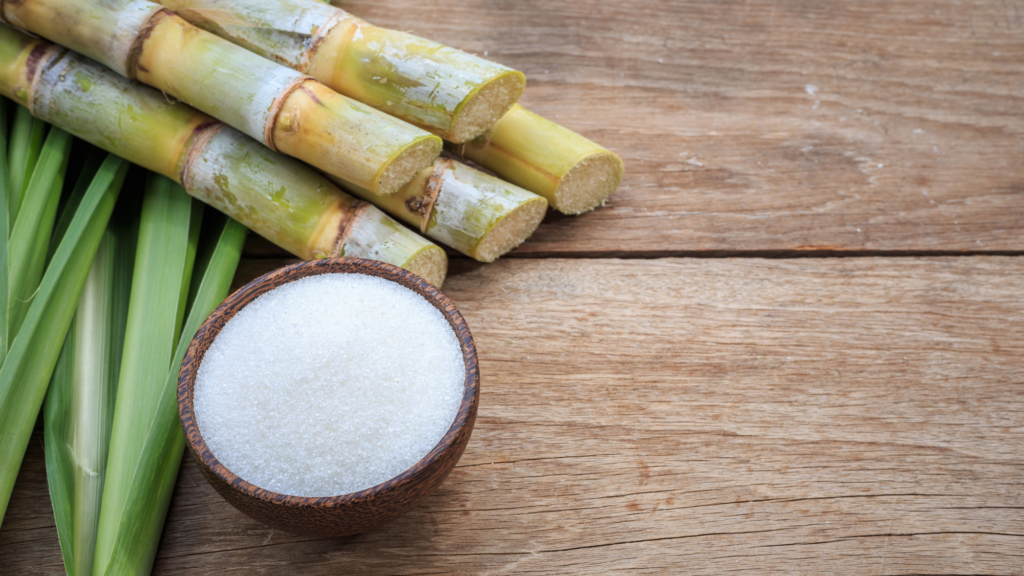
For Barbados, the sugar cane sector is far more than just an agricultural commodity — it is woven into the very fabric of the nation’s identity, economy, history and natural landscape. Tied inextricably to the island’s painful legacy of slavery and plantocracy, while also shaping its financial systems, cultural traditions and ecological health, the industry cannot be sidelined even as the country develops new alternative revenue streams. Though sugar contributes far less to national GDP today than it did at its historic peak, it remains a critical source of livelihood for thousands of farmers, workers and small businesses across the island. It is for this reason that the recent announcement of a new round of industry restructuring has drawn close public and policy attention.
This week, Minister of Agriculture Dr. Shantal Munro-Knight outlined the core priorities of the latest restructuring push: boosting crop yields, elevating sugar quality, and securing the long-term viability of the sector. She framed the effort as a strategic “right-sizing” of Barbados’ sugar cane production that aligns with modern economic realities. Notably, this marks the second major restructuring attempt in just two years, a fact that underscores the deep, persistent challenges facing the industry and the difficulty of forging a lasting, sustainable solution.
The current 2024 crop season has already been thrown off course by repeated shutdowns at the Portvale sugar factory, triggered by unresolved mechanical failures and ongoing labour disputes. Cane farmers have voiced loud frustration over extended delays in the factory accepting harvested crops, while factory workers have raised urgent concerns around union recognition and unsafe, inadequate working conditions. These ongoing disruptions have eroded stakeholder confidence in the industry and laid bare long-standing weaknesses in operational and management practices.
Beyond Barbados’ borders, global shifts have fundamentally reshaped the international sugar market, creating significant headwinds for small island producers. World sugar prices are plagued by constant volatility, driven largely by production and policy changes in major exporting nations including Brazil, India and Thailand, which enjoy massive economies of scale and far lower labour and production costs. International trade policy has also dramatically altered the playing field for Barbados: for decades, local sugar producers benefited from protected preferential access to European Union markets, which delivered stable prices and guaranteed demand. But sweeping reforms to the EU sugar regime and updates to global trade rules have eroded nearly all of those historic advantages, leaving most Caribbean sugar industries grappling with declining competitiveness over the past two decades.
Domestic challenges compound these global pressures. Barbados faces inherently high production costs for sugar, and climate change has introduced new layers of uncertainty, with erratic rainfall and more frequent extreme weather events disrupting planting and harvesting cycles. Combined, these factors make it impossible for Barbados to compete globally in bulk sugar production on cost alone. Against this backdrop, the government’s decision to revisit restructuring is widely viewed as a necessary step. Dr. Munro-Knight’s focus on boosting productivity and product quality is strategically sound: for the industry to survive, it must become far more efficient and deliver higher-value output to stand out in crowded global markets.
Even so, policy makers and stakeholders must confront hard realities. Beyond productivity gains, there needs to be an open, honest conversation about the realistic scale of sugar production moving forward. Fewer young farmers are interested in entering the cane sector, and growing demand for residential housing has steadily encroached on prime agricultural land, reducing the total area available for cane cultivation. It is also critical to acknowledge that restructuring alone will not fix the industry’s problems. Barbados has overhauled the sugar sector multiple times in recent decades, yet many of the same operational, labour and financial challenges have reemerged repeatedly. Unsurprisingly, stakeholders are questioning whether this latest effort will deliver different outcomes. Key open questions remain: how will the restructured industry be financed, what is the long-term role of government in supporting the sector, and how will changes impact the livelihoods of the workers and small farmers who form the backbone of the industry. For many dependent on sugar, the term “right-sizing” carries deep fears of job losses, reduced growing acreage, and disruptive changes to ownership and management structures that threaten their livelihoods.
Looking ahead, Barbados must expand its vision for what the sugar cane industry can contribute to the national economy. The sector’s future likely does not rest primarily on bulk sugar exports. Instead, stakeholders must integrate opportunities from sugar cane by-products, bio-renewable energy production, high-value specialty sugars, and value-added rum production into a new, diversified industry model.
None of these changes will be easy to implement, but abandoning the sugar cane industry entirely is not a viable option for the nation. Beyond its economic contributions, sugar cane continues to play a central role in maintaining Barbados’ iconic landscape and preserving a critical (if complicated) part of the country’s history and cultural heritage. The core challenge facing policy makers and stakeholders today is striking a sustainable balance between the nation’s historic ties to sugar cane and the unforgiving economic realities of the 21st century global market.
To build buy-in and deliver tangible results, the latest restructuring process must be fully transparent and inclusive, centering the voices of all farmers, workers, businesses and community stakeholders who have a stake in the industry’s future.