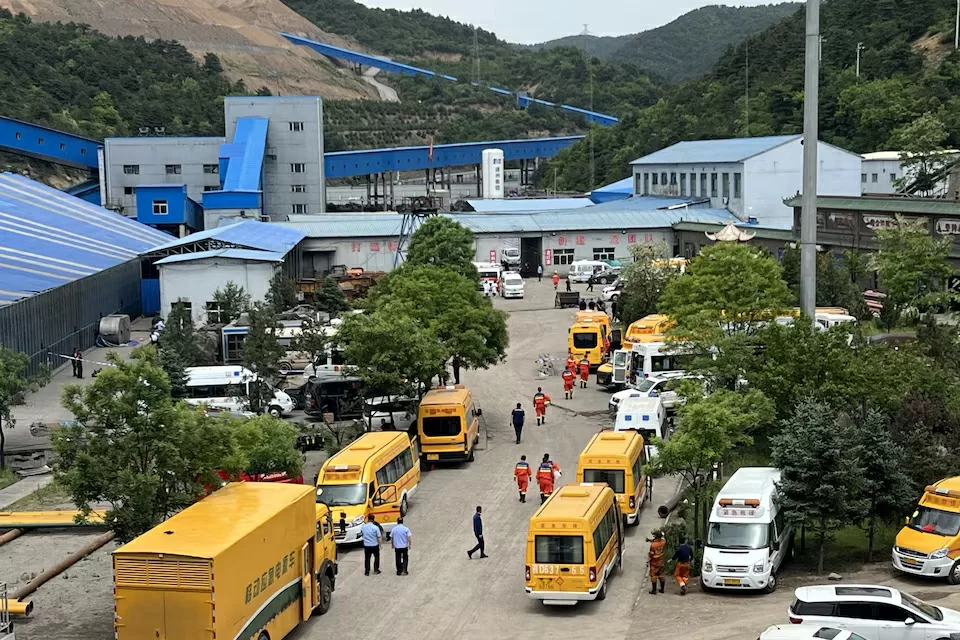
A devastating gas explosion at the Liushenyu coal mine in Qinyuan District, Shanxi Province, northern China, has claimed at least 90 lives, marking the deadliest mining disaster the country has seen in more than 15 years. According to state-run news outlet Xinhua, 247 workers were operating underground at the time of the blast, which occurred on Friday evening. The explosion was triggered shortly after a carbon monoxide alert was issued, with multiple reports indicating that gas concentrations at the mine had already exceeded regulated safe limits before the incident. Chinese state broadcaster CGTN confirmed that local authorities have launched a full investigation into the root causes of the disaster and have already taken the mine’s lead safety supervisor into custody. Following the tragedy, Chinese President Xi Jinping issued an urgent directive calling on local and national government bodies to draw urgent lessons from the fatal incident. He emphasized that all regions and relevant agencies must maintain constant vigilance over workplace safety standards, conduct thorough inspections to identify and address hidden hazards across high-risk industries, and enforce strict prevention measures to stop major accidents from occurring. As China’s core coal-producing region, Shanxi churned out more than 1 billion tons of coal last year, accounting for nearly one-third of the country’s total national output. China holds the title of the world’s largest coal producer and consumer, responsible for more than half of global coal consumption. While the country is also the world’s top annual emitter of greenhouse gases, it has poured billions of dollars in recent years into expanding renewable energy capacity to transition away from fossil fuels. Hundreds of rescue workers have remained on site in the days following the explosion, continuing search operations for any potential survivors. Footage and images from the disaster zone show dozens of ambulances lined up near the mine entrance as emergency operations proceed. Over the past two decades, China has made notable progress in improving coal mine safety across the country, implementing stricter regulatory frameworks and mandating upgraded safety protocols that have cut annual mining fatalities sharply. Even so, this latest tragedy makes clear that severe, life-threatening risks remain pervasive in the industry. The early arrest of the mine’s senior safety official underscores the Chinese government’s stated commitment to holding accountable parties responsible for safety failures and rooting out corruption that often allows unsafe operating practices to continue in the high-risk sector. The fatal disaster has refocused international and domestic attention on the ongoing challenge China faces in balancing rapid economic growth, worker safety, and ambitious climate policy as the world’s largest coal producer.