KINGSTON, Jamaica — Months after suspending parcel deliveries to the United States in response to a changed US trade policy, Jamaica Post is set to restart its commercial shipping service to the US market on June 1, 2026. The resumption comes after the national postal service rolled out a new pre-calculated, pre-paid duty system designed to comply with updated US border regulations.
The suspension was implemented earlier this year after US Executive Order 14324 eliminated the longstanding de minimis exemption that allowed low-value goods valued under $800 to enter the United States duty-free. Without this exemption, all incoming shipments required full duty processing before entry, creating unplanned delays, unexpected fees for recipients, and frequent shipment rejections that disrupted Jamaica Post’s delivery operations.
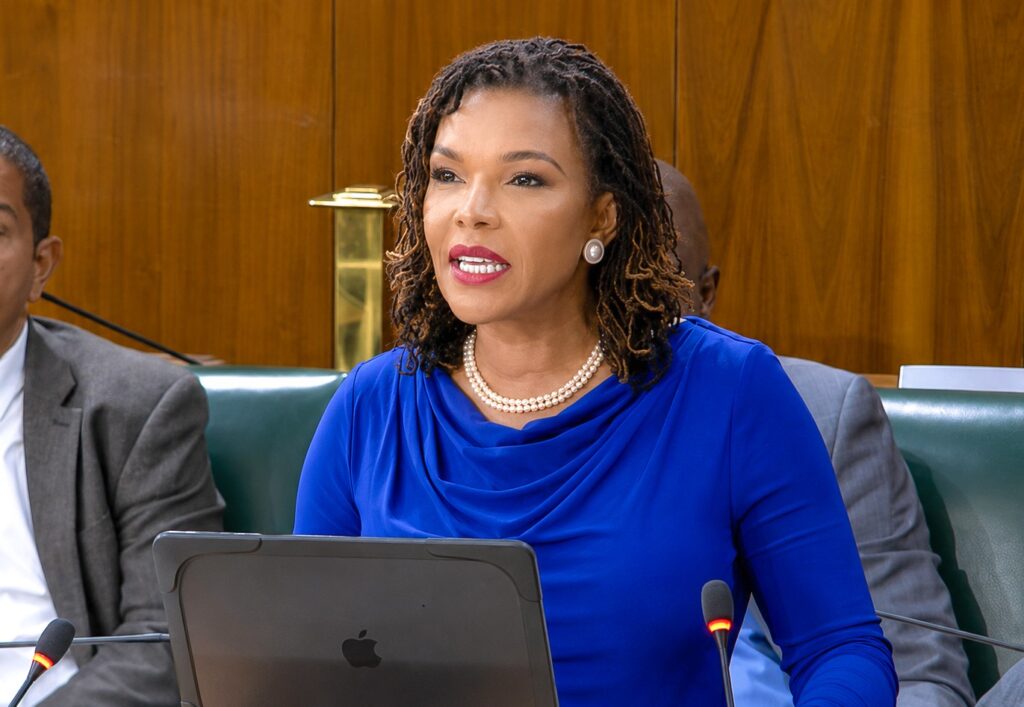
The official announcement of the service resumption was made by Ambassador Audrey Marks, Minister without Portfolio in Jamaica’s Office of the Prime Minister, who oversees national efficiency, innovation, and digital transformation. Marks shared the update during her 2026/2027 Sectoral Debate address to Jamaica’s House of Representatives on Wednesday, May 20.
Marks confirmed that Jamaica Post has finalized deployment of a new delivery duty paid (DDP) technological solution that will restore full cross-border parcel and small package services to the United States. Under the new framework, all applicable duties and processing fees are calculated and paid by shippers before parcels ever leave Jamaica, eliminating uncertainty for both senders and recipients once shipments reach US customs.
“This system guarantees that when packages arrive in the United States, there are no surprises, no unnecessary delays, and no rejected shipments,” Marks explained in her address. The new system addresses all the regulatory challenges that forced the initial suspension, clearing the way for Jamaica Post to fully reopen its US shipping corridor.
The resumption of service carries particularly high stakes for Jamaica’s micro, small and medium-sized enterprises (MSMEs), independent online entrepreneurs, and local creators who sell their goods to international customers via global e-commerce platforms. For these small operators, access to reliable cross-border shipping was the lifeline that connected them to the large US consumer market.
Marks emphasized that the restored service does more than just bring back a convenient logistics option. “It reopens a critical trade channel, supports business growth, and strengthens Jamaica’s participation in the global digital economy,” she said. “For many small business owners, access to shipping and logistics is not just a convenience — it means access to customers and opportunities for sustainable growth.”