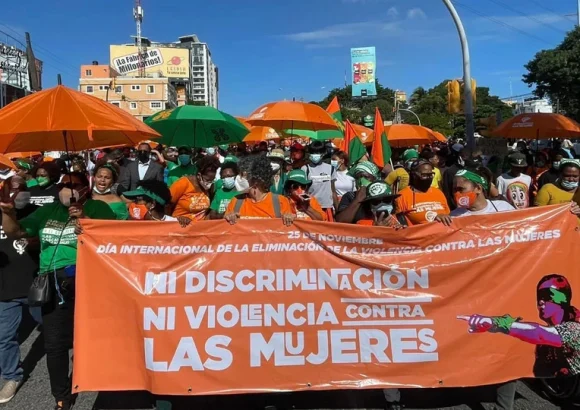
In Santo Domingo, a broad coalition of civil society groups has launched a high-profile campaign pushing Dominican Republic authorities to label the ongoing crisis of femicide and gender-based violence as a formal national emergency. Spearheaded by the Coalition for Women’s Rights and Life, the movement has already garnered signatures from more than 80 organizations, alongside leading academics, grassroots activists, and ordinary concerned citizens. The push comes in response to alarming new data showing that at least 32 women have lost their lives to gender-motivated killings in just the first five months of 2026, a trend that has sparked widespread public outcry over systemic failures to protect women across the country.
The official open letter at the heart of the campaign, titled “Not One Less! Women’s Lives Demand State, Justice and Education for Equality,” lays out the urgent need for coordinated, cross-government action to tackle what organizers frame as a deep-rooted systemic crisis, rather than a string of isolated events. To expand public participation and amplify pressure on decision-makers, the Coalition has launched a dedicated public portal at feminicidios.do, where any Dominican citizen can add their name in support of the demands.
The document outlines a clear, multi-pronged policy agenda that goes far beyond a simple emergency declaration. Signatories are calling for the passage of a sweeping national law dedicated to preventing and penalizing all forms of violence against women, as well as independent, third-party audits of current response systems operated by the National Police and the Attorney General’s Office. Additional demands include harsher and more consistent prosecution of perpetrators, the immediate removal of any police or military personnel facing accusations of gender-based violence, a major expansion of accessible emergency shelters and long-term support programs for survivors, and the mandatory integration of gender equality education into national school curricula.
In a statement accompanying the letter, Coalition leaders stressed that repeated femicides across the country cannot be dismissed as random, individual acts of violence. Instead, they argue, these deaths are the direct outcome of long-standing institutional failures to proactively prevent harm and provide effective protection for at-risk women. The campaign also addresses overlooked secondary harms of the crisis, calling for targeted, comprehensive support for children left orphaned by femicide killings, as well as a substantial increase in public funding for both the Ministry of Women and community-based violence prevention initiatives operating across all regions of the country.
Organizers are continuing to ramp up outreach to recruit additional signatories, including more national organizations, professional associations, local community leaders, and everyday citizens. They emphasize that ending violence against women cannot be achieved through piecemeal actions; it requires a unified, nationwide response and sustained, long-term public policies centered on three core pillars: prevention, accessible justice, and consistent protection for all women.