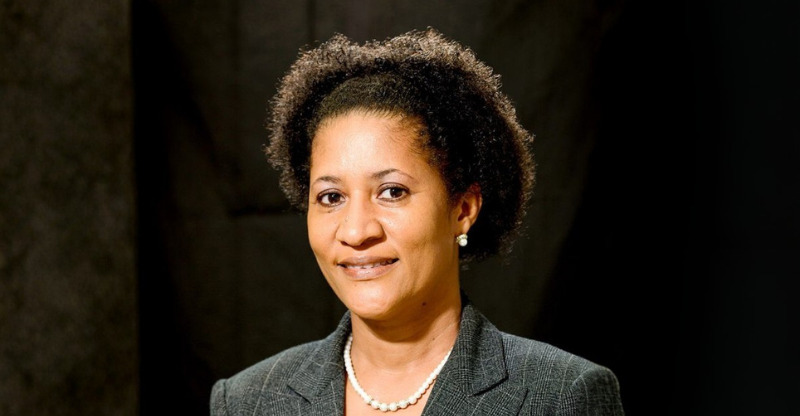
In a vulnerable, insightful conversation with St Lucia Times, Castries Mayor Geraldine Lendor-Gabriel has pulled back the curtain on her years-long journey raising Kyan Gabriel, her autistic son, walking readers through the unique hurdles, unexpected life lessons, and hard-won victories that have reshaped her family’s perspective and fueled her child’s extraordinary growth. For Lendor-Gabriel, parenting a neurodivergent child begins with a core shift in mindset: every child is an unplanned gift, and it is a parent’s duty to nurture that gift exactly as it is, rather than trying to force it to fit preconceived expectations.
“You cannot determine what child that you have, but once you are gifted with that child, you have a responsibility to ensure that you will nurture that child in the best way that you can,” she explained, adding that meaningful development rests on three non-negotiable pillars: a child must feel unconditionally loved, gain the skills to function confidently in broader society, and access a consistent, high-quality education that meets their needs.
Lendor-Gabriel identifies wholehearted parental acceptance as the foundational first step for any family navigating an autism diagnosis, paired with intentional outreach to qualified support systems. She specifically credits Saint Lucia’s Child Development and Guidance Centre for the transformative impact it had on Kyan’s early development. When he was young, Kyan was completely non-verbal, but targeted support from the centre helped him make the dramatic transition to communicating verbally – a leap that changed the trajectory of his life.
Developing mutual understanding with an autistic child, she notes, demands intentional patience and sharp attentiveness. Parents must carve out consistent time to learn their child’s unique mode of expression, prioritize adapting communication strategies to fit the child’s needs, and pay close attention to how their child responds to different environments and interactions.
In Kyan’s case, early exposure to learning materials unlocked abilities that many would have never expected. Even when he was still non-verbal, he demonstrated striking cognitive skill: he taught himself to read and write independently, and by 3 and a half years old, he could spell complex words like “xylophone” with ease. Lendor-Gabriel emphasizes that this breakthrough teaches a critical lesson: parents must provide early, consistent exposure to new experiences and learning tools, because it is impossible to know what potential a child holds until they are given that chance. Most importantly, she stresses, a lack of verbal communication does not equal a lack of cognitive function.
Of course, the journey has not been without challenges. Lendor-Gabriel openly shares that Kyan has often faced misunderstanding and judgment from the general public, with members of the community frequently reacting negatively to his behavior and approaching the mayor to criticize her parenting. She reminds other parents going through similar experiences that these harsh reactions almost always stem from ignorance, not malice: “the person does not understand that child,” she explains. She also counsels families to teach neurotypical siblings to practice empathy and patience, encouraging them to respond with compassion rather than frustration when others misunderstand their brother or sister.
One of the most critical pieces of advice Lendor-Gabriel offers to parents of autistic children is to avoid isolating their kids from the broader community. “One of the things you should not do is hide the child,” she says, pushing back against the social pressure that many families feel to keep neurodivergent children out of public life. Instead, she argues, integration is key: autistic children deserve the same chances to interact and grow in mainstream society, because there is no separate “special world” that can meet their need for connection and growth.
Community and institutional support remain non-negotiable for meaningful integration, she adds. Lendor-Gabriel expressed deep gratitude to the educators and institutions that supported Kyan’s journey, particularly those who made his inclusion in the mainstream public education system possible. She describes mainstream education as a core component of success for neurodivergent young people, while acknowledging that accommodations like full-time learning aides are often necessary during a child’s early school years.
Kyan’s journey has culminated in remarkable academic success: he graduated from the public education system with seven O-Levels and took home four subject-specific academic prizes. Lendor-Gabriel attributes this achievement not just to Kyan’s natural ability, but to the consistent, coordinated support between school faculty and family that created the conditions for him to thrive.
Beyond academics, Kyan is a multi-talented musician with a passion for guitar, inspired by iconic Saint Lucian musician Ronald “Boo” Hinkson. Lendor-Gabriel advocated for Kyan to be accepted into a community music program where his talent could be nurtured, opening the door to mentorship and public performance opportunities. Kyan has even written his own song, titled “This Is Me,” which carries a powerful, unapologetic message for autistic people and their advocates: “I’m not broken, I’m just unique.” The song stands as a broader rallying cry for widespread acceptance of all children on the autism spectrum.
Through sharing her family’s story, Lendor-Gabriel hopes to shift public perspective on autism, empower other parents to embrace their children fully, and build a more inclusive society that meets the needs of neurodivergent people across the island.