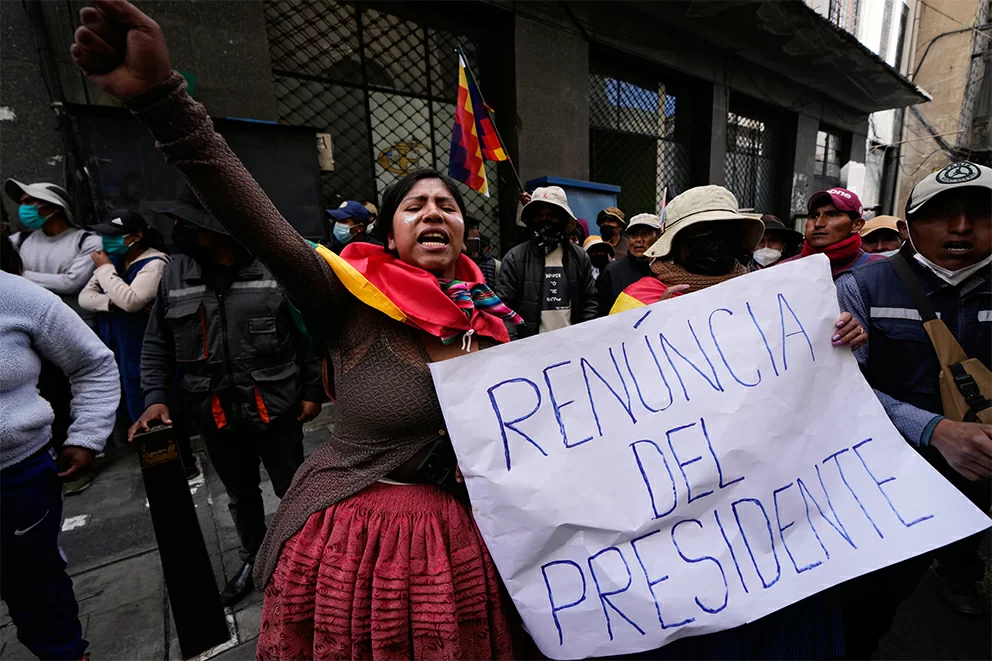
Bolivia has been rocked by rapidly escalating mass anti-government demonstrations that have swept the nation in recent days, bringing the administrative capital La Paz to a near-standstill. Thousands of protesters drawn from across Bolivian society – including small-scale farmers, artisanal miners, teachers, public sector workers and Indigenous communities – have shut down key arterial routes surrounding the city, creating critical shortages of food, fuel and life-saving medications for local residents.
The unrest first erupted weeks ago, targeting the administration of center-right President Rodrigo Paz, who took office less than six months ago, ending nearly two decades of continuous socialist rule in the South American nation. Demonstrators are demanding Paz’s immediate resignation, citing skyrocketing living costs, persistent widespread economic instability, and controversial plans to privatize state-owned enterprises as core grievances.
Bolivia is currently grappling with its most severe economic crisis in four decades. Official data puts annual inflation at 14% as of April, a figure that has gutted household purchasing power and amplified public discontent across all income groups. For many protesters, the crisis has reached an unmanageable breaking point. “Paz is unfit to govern, and our country is spiraling into chaos,” said 60-year-old farmer Ivan Alarcon, who traveled 90 kilometers to join the demonstrations in La Paz.
Artisanal small-scale miners, another key bloc of protesters, have marched through the city to demand expanded access to mining territories, escalating tensions in already volatile streets. Clashes have broken out between demonstrators and riot police in central La Paz, with tear gas deployed to disperse crowds attempting to reach the main city square, which houses major government administrative buildings. Protesters have thrown stones and homemade explosive devices, with at least two demonstrators confirmed injured. Local media reports more than 100 arrests have been made, and on-the-ground footage shows protesters entering government office buildings and removing property from the sites.
A major flashpoint for the unrest was Paz’s recent decision to cut long-standing national fuel subsidies, a move his administration defended as necessary to reverse the depletion of the country’s foreign currency reserves. Far from stabilizing energy supplies, however, the policy triggered immediate fuel price hikes and worsened existing supply shortages, giving new momentum to the growing protest movement.
The escalating political crisis has drawn international attention, with the United States formally weighing in on the unrest. U.S. Deputy Secretary of State Christopher Landau expressed deep concern following talks with President Paz, framing the mass demonstrations as an attempted coup partially funded by what he called an “unholy alliance between political actors and organized crime” in the region. Landau called for international support for Bolivia’s democratically elected government, warning that prolonged political instability would have damaging ripple effects across the entire South American region. He added that the U.S. is actively working to prevent anti-government and anti-institutional factions from seizing power.
Amid the ongoing street violence and political uncertainty, multiple commercial banks across La Paz have temporarily suspended operations, closing their doors to the public out of caution for staff and customer safety.