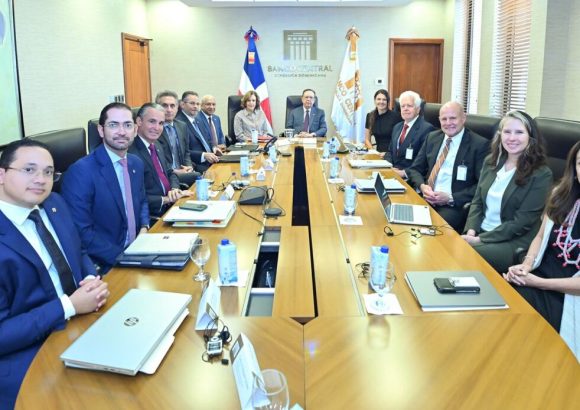
SANTO DOMINGO — A high-stakes diplomatic and financial gathering this week brought together Héctor Valdez Albizu, Governor of the Central Bank of the Dominican Republic, and a visiting delegation from the U.S. Treasury Department’s Office of Technical Assistance to map out potential new collaborative projects designed to strengthen the Caribbean nation’s financial ecosystem. The talks centered on three core shared priorities: expanding broad-based financial inclusion across underserved communities, boosting access to affordable productive credit for local businesses, and shoring up the Dominican Republic’s overall financial stability against domestic and global economic shocks.
During the closed-door discussions, Governor Valdez Albizu emphasized the critical value of targeted international technical support to develop innovative, accessible financing tools tailored to micro, small, and medium-sized enterprises (MSMEs) — the backbone of the Dominican economy, accounting for a large share of total employment and national output. Specific initiatives under consideration included expanding factoring services, supporting the growth of the financial leasing market, and rolling out new lending products secured by movable collateral, all of which Valdez Albizu noted would remove longstanding barriers to credit access for smaller business owners that lack the traditional fixed assets required for standard bank loans. By unlocking this capital, the central bank projects that MSMEs will be able to expand operations, hire more workers, and contribute more robustly to sustained national economic growth.
Beyond small business financing, the two sides also held detailed talks about potential U.S. technical assistance to modernize the Dominican Republic’s financial regulatory architecture. Key updates under discussion include strengthening bank resolution frameworks to handle failing financial institutions without triggering broader market disruption, building out dedicated contingency reserve funds to buffer against unexpected crises, improving regulatory oversight of fast-growing virtual asset markets, and upgrading systemic risk monitoring capabilities to spot emerging threats to financial stability earlier.
Following the meeting, U.S. delegation members confirmed that the Office of Technical Assistance will conduct a full feasibility assessment to design a tailored technical assistance program that aligns directly with the Central Bank of the Dominican Republic’s core institutional goals and its near-term practical regulatory reform priorities. No final timeline for the program’s launch has been announced, but both sides expressed optimism that the collaboration will deliver tangible benefits to the Dominican financial sector and national economy in the coming years.