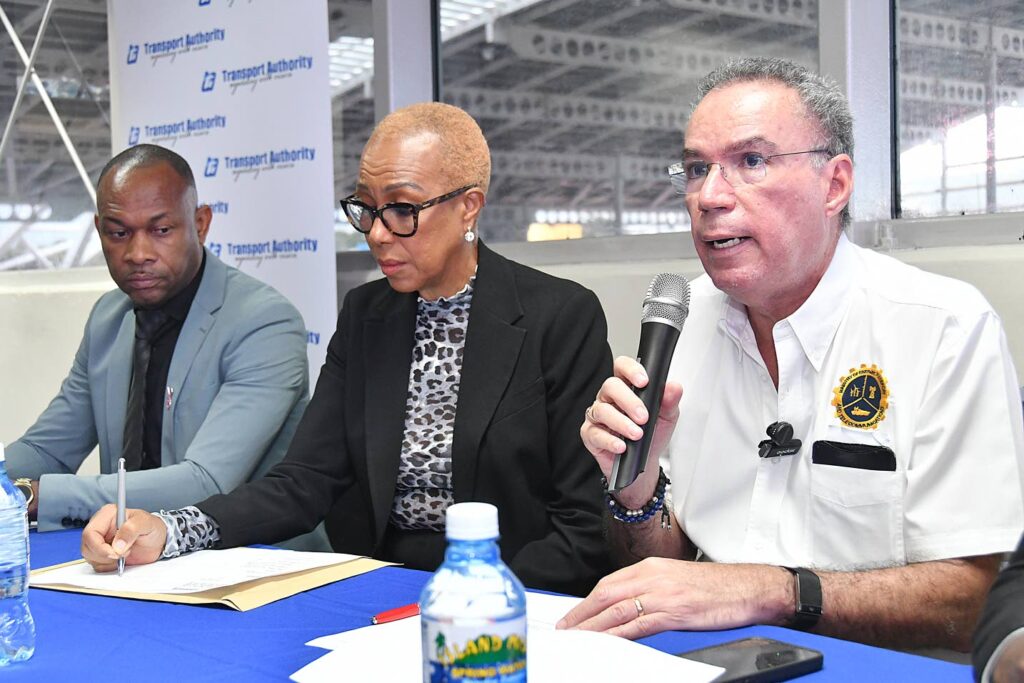
For two years, Jamaican taxi operators have waited for the implementation of a promised 16 per cent fare increase. That patience snapped on Monday, when transport and finance officials asked for more time to deliver the unfulfilled commitment during a scheduled meeting at St Andrew’s Half-Way-Tree Transport Centre. Frustrated operators voiced fierce opposition to government proposals of a phased rollout of the hike, warning that rising operational costs driven by global and domestic shocks have already pushed many to the brink of financial instability.
The 16 per cent increase was originally the second installment of a 35 per cent total fare adjustment approved by the Jamaican government back in October 2023. Only 19 per cent of that total was ever implemented at the time, with the remaining 16 per cent scheduled to take effect in April 2024. Multiple adverse economic and natural events have repeatedly delayed the adjustment, pushing any final decision to a parliamentary deliberation scheduled for June 1, 2026.
Speaking on behalf of operators at the press conference, which was called ahead of threatened service disruptions over the delay, Fredrick Bryan, general secretary of the National Council of Taxi Associations, explained that runaway price growth tied to ongoing global geopolitical instability — specifically the Middle East conflict between the US, Israel and Iran — has made any further delay or staggered increase unacceptable.
“We understand nobody anticipated a war, but as a result of the war, every single cost we face is accelerating. We work on the roads every day, we have families to support just like everyone else, and we feel these price hikes every single day,” Bryan told local outlet Jamaica Observer. He added that daily operating costs now consume more than 60 per cent of operators’ average daily income, leaving workers in an increasingly unsustainable financial position. “They’re proposing splitting the 16 per cent. That is a no-no. That doesn’t make any sense,” Bryan stressed, noting that the 16 per cent was already three years overdue by 2026, following an eight-year gap between the previous fare adjustment and the 2023 approved hike. By the time the government makes a final decision in June, operators should already be negotiating an entirely new fare increase to keep up with inflation, he argued.
Egerton Newman, president of the Transport Operators Development Sustainable Services (TODSS), echoed Bryan’s rejection of a phased approach. Reports from the meeting indicated Finance Minister Fayval Williams had floated a plan to roll out the 16 per cent in two 8 per cent installments, an offer Newman flatly refused. “We have waited too long for this 16 per cent just to end up getting eight plus eight spread out over months,” Newman told ministers. “Everything has doubled, even tripled in price across the country, and that’s not just fuel prices. I cannot recommend accepting a staggered rollout at this time.”
Transport Minister Daryl Vaz acknowledged the validity of operators’ frustration, admitting the wait for the second installment of the approved fare hike has been far longer than initially promised. He recognized that skyrocketing costs have placed immense financial pressure on the country’s taxi workforce, but defended the government’s request for more deliberation, pointing to a string of unforeseen crises that have upended the country’s economic planning over the past three years. These include lingering economic aftershocks from the COVID-19 pandemic, major damage from Hurricane Beryl in July 2024 and Hurricane Melissa in October 2025, and most recently, the ongoing conflict in the Middle East that has sent global energy prices soaring.
Vaz explained that the Middle East conflict has already caused state-owned oil refinery Petrojam to absorb an estimated $4 billion in losses, as the government has capped weekly petrol price increases at $4.50 per litre to protect consumers. Without that cap, weekly price increases would have reached as high as $12.50 per litre, Vaz noted, meaning the government has had to absorb billions in subsidy costs to soften the blow of global energy volatility. “We are trying to balance a very delicate situation,” Vaz said. “Even though you have not received the 16 per cent increase yet, you have been cushioned by government policies that have kept fuel prices lower than they would otherwise be amid this crisis.”
Not all operators accepted that justification. Charles Powell, president of the Southern Taxi Association in St Elizabeth, maintained that the full immediate 16 per cent increase is non-negotiable for operators struggling with rising costs. He did, however, express cautious hope that the June 1 parliamentary decision deadline represents a firm, trustworthy commitment from the government to finally resolve the years-long dispute.