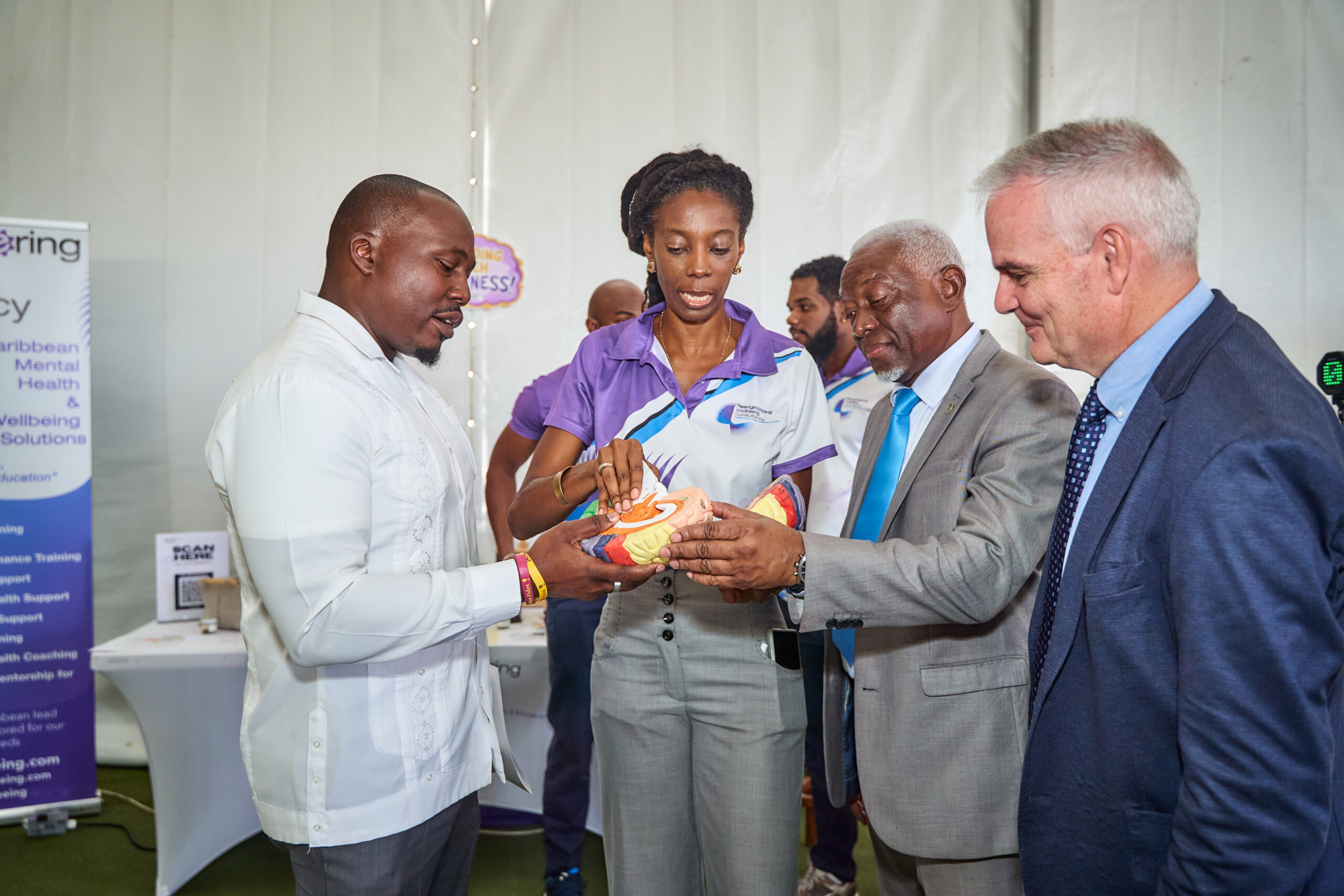
Barbados is entering a pivotal era of healthcare transformation, as government leaders push for a nationwide reset that reframes the country’s approach to public health from reactive illness treatment to proactive disease prevention and holistic wellness promotion. The announcement came from Davidson Ishmael, Minister of State in Barbados’ Ministry of Health and Wellness, who delivered the keynote address at the opening of the two-day “Live Stronger, Longer” Blue Wellness Conference hosted by the Diabetes and Hypertension Association of Barbados at the University of the West Indies Cave Hill Campus.
At the core of Ishmael’s remarks was a stark assessment of the growing public health challenge posed by non-communicable diseases (NCDs) across the island nation. Conditions including hypertension, diabetes, and cardiovascular disease continue to disproportionately impact Barbadian communities, placing persistent strain on both families and the national healthcare system. Against this backdrop, Ishmael framed the current moment as a critical window to rethink, redesign, and renew national wellness strategy.
“While Barbadians are now living longer than ever before, far too many of those added years are marked by poor health and reduced quality of life,” Ishmael told conference attendees. “If we have already made gains in longevity, our next defining goal must be ensuring those extra years are spent in good health, with independence, dignity, and a high standard of well-being.”
To meet that goal, the Barbadian government is pursuing a deliberate strategic evolution of the national healthcare system. Moving away from a model centered almost exclusively on treating existing illness, the new framework will prioritize active promotion of holistic health across all its dimensions. This shift means transitioning from late, reactive intervention to early proactive action, and expanding the system’s focus beyond disease management to supporting the full physical, mental, and social well-being of all Barbadians.
Central to this transformation is the development of a comprehensive national wellness policy and accompanying action plan, a project being led by the Ministry of Health and Wellness in partnership with the Pan American Health Organization (PAHO) and the World Health Organization (WHO). Ishmael explained that the new policy will integrate the physical, mental, social, and environmental components of health into a single, cohesive, multi-sectoral national framework, breaking down silos that have historically fragmented wellness efforts.
Ishmael also emphasized that Barbados already holds unique inherent advantages that can support the development of a distinct “Barbadian model of wellness” tailored to the island’s context. Key strengths include the country’s tight-knit sense of community, longstanding spiritual traditions, abundant natural environment, and widespread access to fresh, locally produced food. “We are blessed with sun, sea, rolling green hills, and open public spaces that encourage physical activity and connection to the natural world,” Ishmael noted.
In addition to these natural and cultural assets, the existing Barbadian healthcare system is already evolving to support the new prevention-focused approach. Ishmael highlighted ongoing efforts to expand access to routine health screenings and scale up early intervention services, as well as investments in strengthening nurse-led care and community outreach programs. These changes are designed to ensure that high-quality care is not only accessible to all Barbadians, but also continuous, supporting long-term wellness management rather than only acute treatment.