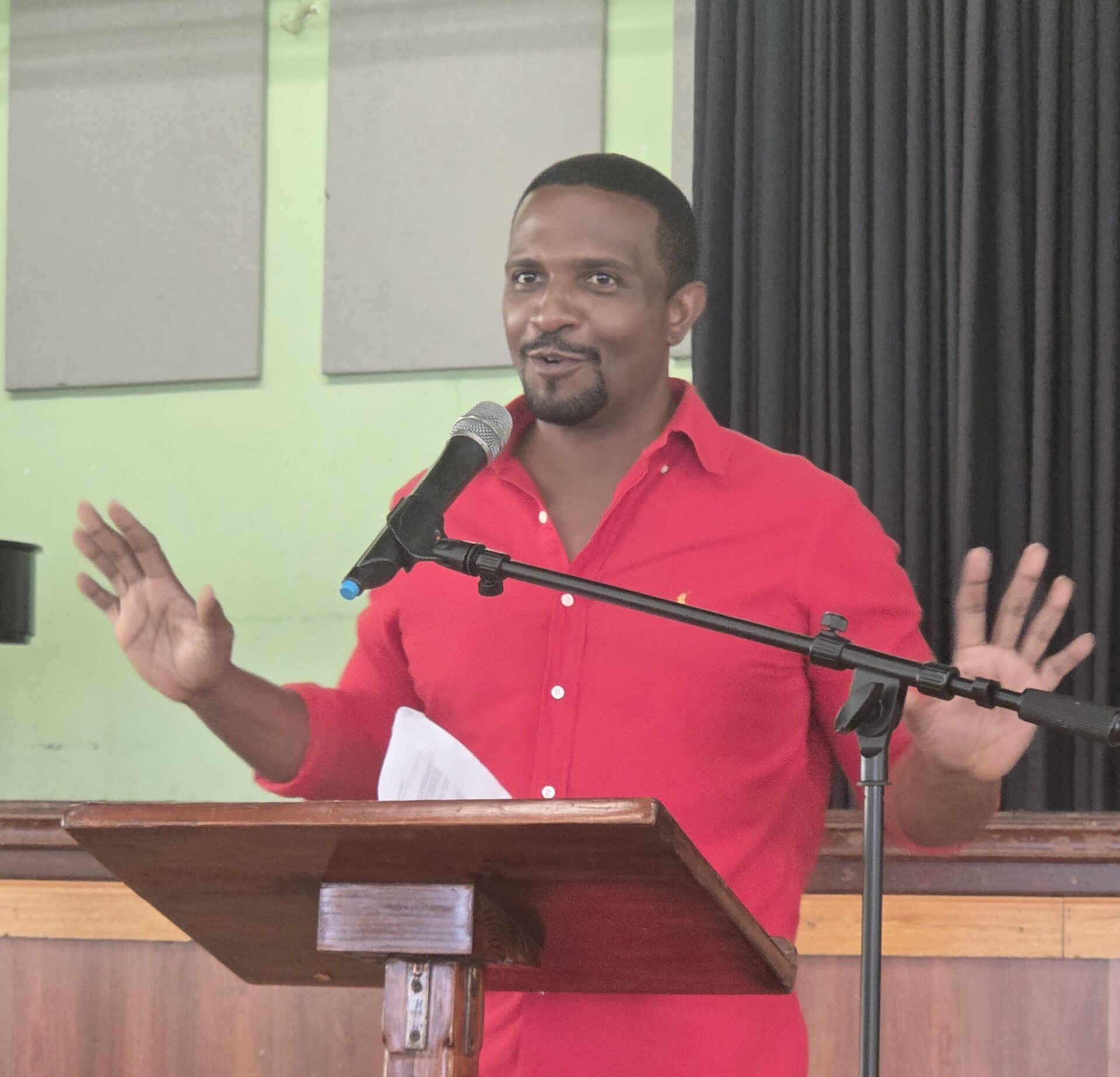
Barbados’ top housing official has laid out a sweeping multi-part agenda that prioritizes disaster preparedness, repairs to aging public housing developments, and long-overdue justice for uncompensated landowners, signaling a major push to upgrade the country’s housing infrastructure ahead of potential extreme weather events. Housing Minister Chris Gibbs, who represents the St Michael West constituency, outlined his policy priorities during a Sunday branch meeting held at St Leonard’s Boys’ School, framing new emergency housing construction as a non-negotiable responsibility for his administration.
Against the backdrop of recent extreme weather events across the Caribbean, including the devastating impact of Hurricane Melissa on nearby Jamaica, Gibbs emphasized that Barbados cannot afford to delay preparations for future disasters. Though the island nation has escaped catastrophic damage from recent weather events including Hurricane Elsa, an unexpected severe storm, and multiple wildfires, Gibbs warned that this streak of good fortune cannot be counted on indefinitely. His ministry is currently finalizing innovative design plans to expand the country’s emergency housing stock, a project that is backed by the full Cabinet and spearheaded by the Prime Minister, with Gibbs leading implementation on the ground as the ministerial lead for housing in Parliament.
In addition to building new emergency accommodation, Gibbs’ ministry is also turning its attention to longstanding structural issues in existing public housing estates that have gone unaddressed for years. The government has allocated funding in this financial year’s budget to carry out critical upgrades across existing public housing developments, ensuring residents can live in safe, dignified conditions. The first wave of upgrades will target three high-need estates: the 10-year-old Grotto housing complex, Country Park Towers, and Kensington Lodge, with additional developments added to the schedule in future phases.
At Grotto, the ministry will resolve well-documented flaws in the original development design, including inadequate parking infrastructure, insufficient exterior lighting that has created public safety risks, and widespread roof leaks that have plagued residents for years. After extensive testing and consultation, officials have selected high-quality sealants to repair and reinforce the roofs, making them more resilient to heavy rain and extreme weather events. Similar upgrades will be carried out at the other two initial sites to improve quality of life and disaster preparedness across the portfolio.
Beyond new construction and infrastructure repairs, Gibbs highlighted a commitment to addressing historical injustices related to government land acquisition, noting that hundreds of small landowners have waited decades for compensation after the state compulsorily acquired their property for public projects. Gibbs stressed that correcting these decades-old wrongs is a core part of the ministry’s social justice mandate, not just building new housing stock. As an example of progress already made, he shared that the government recently compensated an elderly woman who had lost a portion of her land for a bus lay-by 40 years prior, with the issue resolved through Cabinet approval after being brought forward by his ministry.
Gibbs concluded by reaffirming that equitable, accessible, and resilient housing remains the top priority for his tenure, with work on all initiatives already underway to deliver tangible results for Barbadian residents.