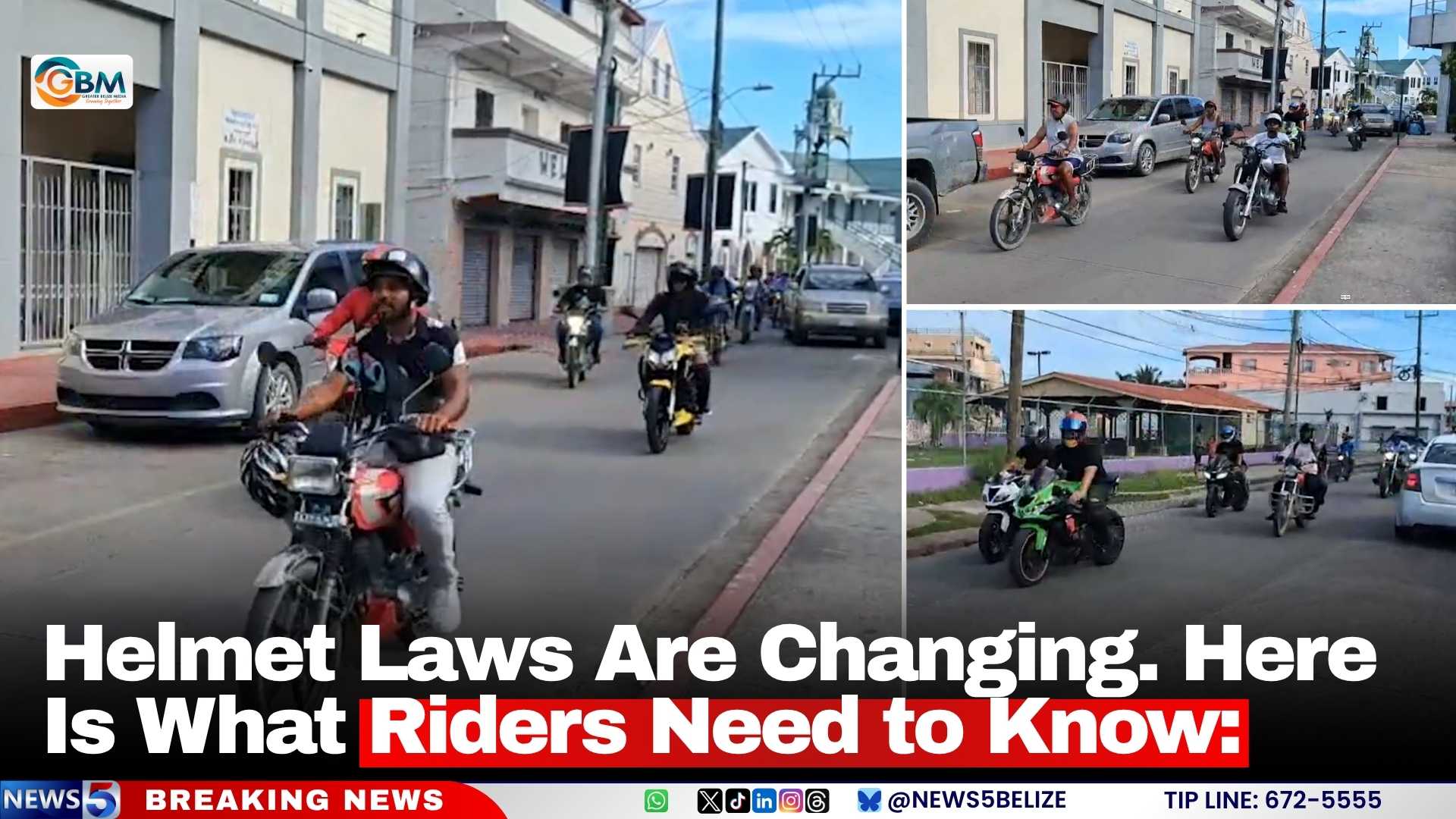
Across Belize, nearly 40 percent of all fatal road collisions involve motorcyclists, and head trauma consistently ranks as the leading cause of death in these incidents. That grim statistic is pushing the Central American nation’s Ministry of Transport to pursue sweeping legislative reforms aimed at strengthening motorcycle helmet safety standards and reducing preventable road deaths.
Current national regulations require all motorcycle operators to wear helmets while riding, but contain a critical gap: there is no legal definition of what qualifies as a safety-approved helmet. Chief Transport Officer Leon Gentle explained that this regulatory oversight has allowed unfit, low-protection headgear to be used in place of certified motorcycle helmets.
“On Belize’s roads today, you see every type of headgear passed off as safe motorcycle protection – from standard bicycle helmets to partial half-helmets that offer almost no impact protection,” Gentle noted in an interview. “That is why we are taking a close look at updating and formalizing binding safety standards for all helmets used by motorcyclists.”
The updated helmet regulations are just one component of a broader package of motorcycle safety reforms the transport department has spent months developing. The package will also introduce new rules governing pillion riders – passengers who travel behind the motorcycle operator.
Gentle pointed to dangerous, common unsafe practices involving passengers that the new rules will address, including underage passengers riding without properly certified helmets and small children placed on bikes with no properly sized footrests to keep them secure. “These are avoidable hazards that put vulnerable riders at unnecessary risk, and we have to address them proactively,” he added.
Belize recorded an encouraging drop in overall traffic fatalities across the country last year, but officials stress that motorcyclists remain the most at-risk group of road users. The full details of the reform package, including additional rules for pillion passengers, will be shared during a primetime broadcast on News 5 Live at 6 p.m. local time.