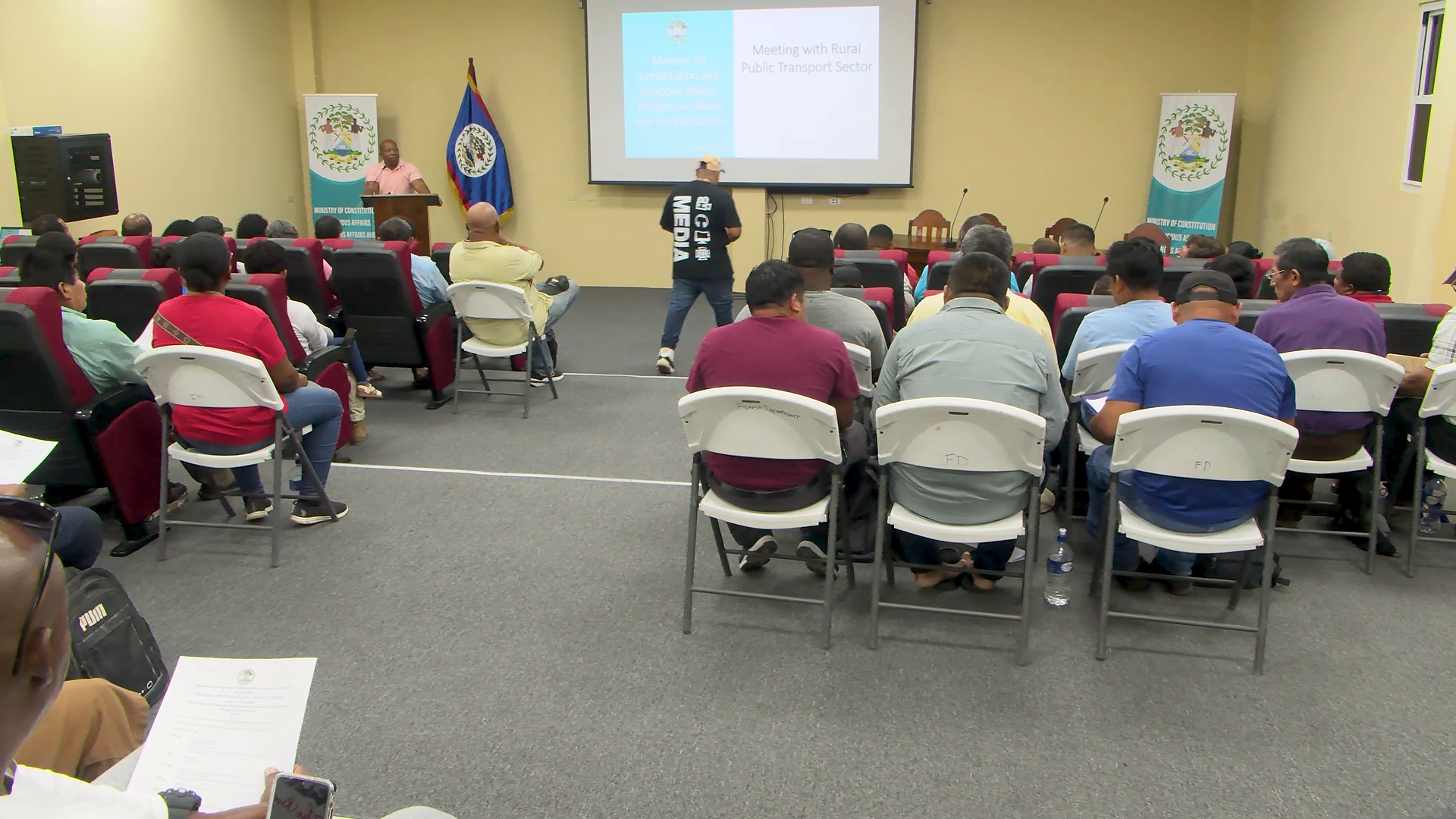
For years, commuters across Belize have endured persistent frustrations with the nation’s public bus system: chronic delays, aging, poorly maintained vehicle fleets, dangerously overcrowded cabins, and inconsistent schedules that upend daily travel plans. On May 15, 2026, more than 60 rural bus operators converged on the capital city of Belmopan for a landmark meeting with national transport officials, amplifying pressure to deliver tangible reforms to a system that has failed users for decades.
This gathering comes after two critical preliminary steps: the government’s approval of new fuel subsidies for operators and a recent round of regulated fare adjustments meant to balance operator revenue needs with commuter affordability. With those structural changes in place, both the Ministry of Transport and the Belize Bus Association (BBA) now say the sector is ready to shift its focus to full-scale modernization and tangible service improvements for daily riders.
Transport Minister Dr. Louis Zabaneh framed the cross-country meeting as a critical breakthrough in addressing long-unresolved grievances held by bus operators. “It’s been a year since we first began engaging with highway bus operators, and we asked for their patience as we worked through preliminary policy adjustments,” Zabaneh explained to reporters after the closed-door talks. “This is the first time we’ve brought together operators from every region of the country to discuss the full scope of challenges facing the sector, and most importantly, to collect their input on how best to modernize public bus transportation.”
Zabaneh highlighted two of the most pressing issues operators shared during the discussions: cutthroat excessive competition that leaves many routes unprofitable, and poor road conditions across large swathes of rural Belize that increase vehicle wear and tear and delay routes. Following this initial national gathering, the ministry plans to host a series of regional district-level meetings to gather more granular feedback, before reconvening national stakeholders to finalize a coordinated reform plan.
BBA President Philip Jones echoed the collaborative tone of the talks, noting that both government and operator leaders share the core goal of improving service for riders without shifting unsustainable cost burdens to commuters. “We can clearly see the shared commitment from both sides to upgrade public transit service for the people of Belize,” Jones said. “This is a joint effort between government and operators to keep commuters from being overburdened by fare increases, which is exactly why the fuel subsidy was put in place to offset operators’ rising fuel costs. We have a consistently open, cordial working relationship with the ministry, and we communicate daily — that’s a foundation we’re grateful to build on.”
The meeting also provided an update on the rollout of the new fuel subsidy program, which was finalized after tense negotiations and a nationwide bus blockade that brought the country to a standstill and forced both sides back to negotiations. Just days after fares were adjusted, the government is currently finalizing a digital reimbursement portal that will deliver direct pump relief to eligible operators.
Ministry of Transport CEO Chester Williams told reporters that operators have been understanding as the government fine-tunes the verification system to prevent fraud and ensure fair distribution of funds. “We’ve finalized the submission framework in discussions with BBA leadership, and we’ve already received the first round of claims from operators,” Williams explained. “Our dedicated ministry team is now working through the verification process, and once that wraps up, we’ll disburse payments to operators. We appreciate operators’ patience — the first payment, originally scheduled for this week, has been pushed to next week to finalize our processes, but everything is moving forward smoothly.”
To address concerns about over-reporting fuel consumption to access excess subsidies, Williams outlined a multi-layered verification system. “Operators are required to submit weekly claims by 4 p.m. every Monday, which gives our team until Wednesday or Thursday of the same week to investigate and confirm the accuracy of every submission,” he said. “On top of that, each operator has already submitted an estimated monthly fuel consumption figure based on their historical operating data. If a claim comes in significantly above that baseline, it will trigger an immediate review. If they come in under that estimate, there’s no issue, but excess usage will be flagged.”
This first cross-sector meeting marks a new chapter in Belize’s efforts to resolve a public transit crisis that has impacted commuters and operators alike for years, with both sides signaling a shared willingness to work toward actionable, people-centered reform.