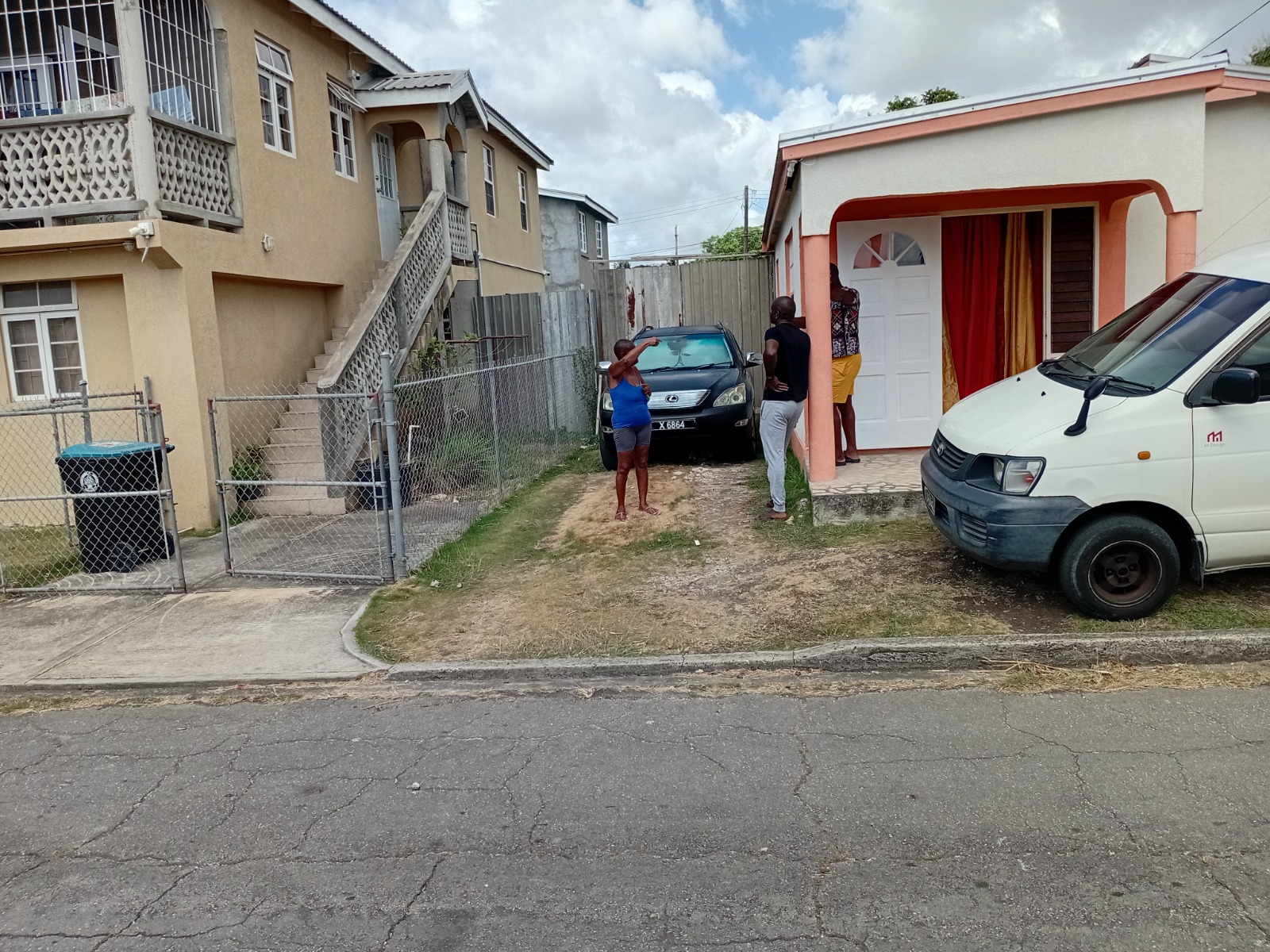
For years, neighbours of a small-scale backyard chicken operation in Haynesville, St James, Barbados, have lived with a suffocating stench that has infiltrated their homes, ruined outdoor relaxation, and attracted unwanted pests – and according to affected residents, repeated complaints to government regulators have yielded little to no relief.
When Barbados TODAY visited the residential neighbourhood to investigate the growing dispute, local businessman Anthony Ifill, whose home sits just feet from the chicken pen, detailed the three years of daily discomfort he has endured. Ifill explained that the sharp, pungent odour of accumulated chicken manure hangs over his property constantly, turning his post-work return home into anything but the peaceful retreat he craves.
Ifill said his repeated attempts to secure intervention from government environmental health officials have been met with unfulfilled promises and bureaucratic stonewalling. According to Ifill, after a senior ministry official pledged to personally oversee an inspection and follow up on his complaint, she never contacted him again despite multiple reminders. That inaction, he said, has mirrored the behaviour of the area’s assigned inspector, whom he and his family have attempted to meet with for three years without success. “They wouldn’t even let you put the complaint in writing that you were actually there to make a complaint; all we got was that it would be logged in the book,” he said. Ifill added that the chicken farmer briefly cleaned up the site after complaints, and the odour disappeared temporarily, but the problem quickly returned once attention faded. The farmer has shown little consideration for the quality of life of nearby residents, he argued.
Randy Mason, another resident whose backyard abuts the chicken pen’s back fence, said he has dealt with the nuisance since moving to the neighbourhood two years ago. Beyond the persistent stench, Mason said the accumulated manure has drawn a surge of unwanted pests to his property, including flies, rats, centipedes, and massive numbers of cockroaches that swarm the yard after sunset. “You see when six o’clock and the sun goes down? cockroaches are in that yard like bush,” he told reporters.
Mason explained that the odour soaks into laundry left hanging to dry, leaving clothing permanently scented with manure. While he said he does not oppose the farmer earning extra income from the small operation, he and other neighbours demand basic consideration for surrounding residents. “Other neighbours told me that when the rain falls, the smell gets really strong. But I live directly behind the pen, so it’s affecting me a lot,” he said. “I don’t want to stop them from doing what they doing because everybody has to make an extra dollar. But they have to do something about the stench by cleaning more often.” Mason added that the farmer has refused to engage with neighbours to discuss a mutually acceptable solution.
When Barbados TODAY reached out directly to the Haynesville woman at the centre of the complaints for comment, she did not immediately issue a response. However, environmental health officials confirmed Wednesday that they have received the complaints and have officially served notice to the small chicken farmer.
Acting Chief Environmental Officer Euroline Welch-Drakes confirmed that officers from the Brandford Taitt Polyclinic launched an official investigation into the nuisance claims. Citing confidentiality rules, she declined to share specific details of inspectors’ initial findings, but confirmed that formal notices have been issued to the property owner.
Welch-Drakes explained that the department follows a structured procedural process to resolve nuisance complaints, and that investigators avoid contacting complainants while engaging with the accused property owner to prevent unnecessary conflict between community members. Once the process is complete, the department will follow up directly with the residents who filed complaints, she said.
If the inspection finds violations of Barbados’ Health Services legislation, the property owner will receive formal instructions to abate the public health nuisance and a set timeline to complete required changes. Failure to comply with the order can result in administrative penalties, starting at a $300 fine for the first offense, with an additional $10 fine added each day the violation remains unaddressed after the deadline. Welch-Drakes noted that unpaid fines can be added to the property owner’s land tax bill or recovered through formal court proceedings.