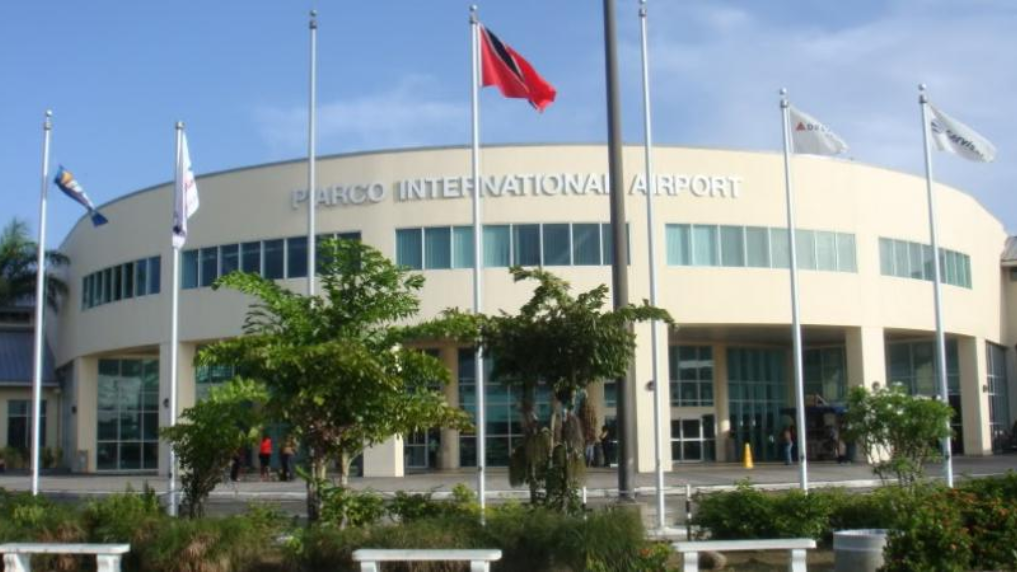
PORT OF SPAIN, Trinidad – Trinidad and Tobago’s national security apparatus is navigating two linked high-profile security incidents that have intensified partisan debate over the government’s ongoing state of emergency (SOE), which is scheduled to expire next month. The Trinidad and Tobago Police Service (TTPS) issued a formal statement Friday confirming that a security-related incident involving a cargo plane at Piarco International Airport was first reported Thursday, and is now the focus of an ongoing multi-agency investigation led by state security bodies.
According to the TTPS, the irregularities that prompted the response were uncovered during routine security checks implemented under the country’s existing heightened security posture tied to the SOE. Police confirmed that the aircraft was immediately secured, all crew members have been accounted for, and all relevant national security units were activated in line with established response protocols. While the TTPS declined to release specific operational details, citing active investigation protocols and international security obligations, local media reports have identified the cargo plane as Ukrainian-registered, claiming explosive materials were discovered on board.
In its statement, the TTPS moved quickly to reassure the public that at no point did the incident pose any danger to traveling passengers, ongoing airport operations, or the broader Trinidad and Tobago public. Officials emphasized the situation was always calm, fully contained, and managed in line with professional security standards. The force added that no further details can be published at this time due to the active status of the investigation, but additional information will be released when it is deemed safe and appropriate to do so.
This airport incident comes on the heels of a separate security controversy that erupted earlier this week, when Attorney General John Jeremie revealed that a national security incident linked to a gang member had occurred the previous Friday, prompting the implementation of enhanced security protections for all members of parliament and a small number of senior government officials.
Police Commissioner Allister Guevarro later backed up Jeremie’s disclosure, confirming that the TTPS had responded to a security event that required elevated protective measures at Parliament and for specific government officials. Guevarro noted that the response was a precautionary measure aligned with national security protocols, and declined to share further operational details, specific information on the incident or individuals involved, in line with national security confidentiality requirements. He stressed that the TTPS continuously reassesses all potential risks and adjusts protective measures as needed to safeguard national institutions and all citizens.
However, the main opposition party, the People’s National Movement (PNM), has rejected the government’s account of the parliamentary incident, accusing the ruling administration of manufacturing a security crisis to justify extending the SOE, which is set to end next month.
Opposition Chief Whip Marvin Gonzales told reporters that he remained in Parliament until late the Friday in question, and neither he nor any other opposition legislator experienced any disruptions to proceedings, nor observed any visible heightened security protocols around the building. Gonzales called the incident claim “a great and grand deception” led by the attorney general, noting that when lawmakers left Parliament that evening, there was no visible increased security presence, and no officials had briefed opposition members or the opposition leader about any specific threat targeting parliamentarians. He added that most government officials had left the building early for another engagement, further undermining claims of an elevated security threat.
Gonzales reiterated that the entire narrative is a deliberate political maneuver by the government to lay the groundwork for a three-month extension of the state of emergency. He also directly appealed to the police commissioner not to allow his office to be co-opted as a propaganda tool for the ruling government.