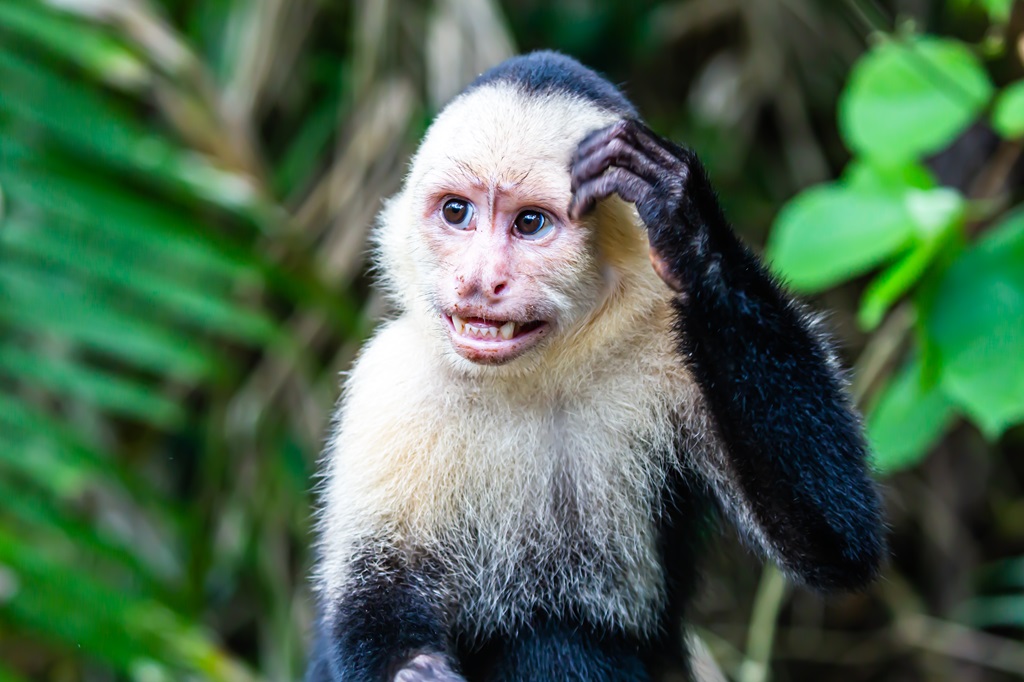
Jamaica is facing a growing ecological and public health threat after recent online sightings of non-native white-faced capuchin monkeys, which wildlife and environmental authorities warn could wreak havoc on the island’s agriculture, native biodiversity, and community health if the feral population becomes established. The alert comes after unconfirmed videos of the monkeys, which are not indigenous to the Caribbean island, circulated widely across social media platforms, prompting government agencies and conservation groups to launch a public reporting effort to track the wild animals.
According to Damion Whyte, a leading terrestrial biologist based in Jamaica, the capuchins are almost certainly victims of the booming illegal exotic pet trade that has taken root on social media. The island’s National Environment and Planning Agency (NEPA) has confirmed that the animals were likely smuggled into the country through unregulated channels, bypassing the strict biosecurity screenings required for all legally imported animals.
This unregulated entry creates severe disease risks for humans, domestic animals, livestock, and native wildlife, experts emphasize. Unlike legally imported animals, which undergo rigorous health testing to prevent the introduction of foreign pathogens, smuggled monkeys can carry a range of harmful, previously unseen diseases, including rabies, which is not currently present in Jamaica. Even a single parasite, such as an unchecked tick carried by a smuggled monkey, could trigger devastating outbreaks that damage agricultural production and threaten public health. A simple scratch from an infected animal, Whyte notes, is enough to transmit a dangerous illness to a human, while unrecognized pathogens could also jump to native species with no natural immunity, with unknown long-term consequences.
Beyond public health risks, the introduction of invasive capuchin monkeys threatens Jamaica’s already fragile unique ecosystems. Non-native primates are known to raid native bird nests, outcompete endemic species for limited food and habitat resources, and disrupt delicate ecological balances that support the island’s one-of-a-kind biodiversity found nowhere else on Earth. NEPA has stressed that this invasive species poses an existential threat to many of Jamaica’s vulnerable native plants and animals.
To illustrate the scale of the potential long-term crisis, experts point to two well-documented cases of invasive monkey populations causing widespread harm. Over 350 years ago, green monkeys were introduced to the neighboring Eastern Caribbean island of Barbados from West Africa. The population has grown exponentially over generations, and the primates are now classified as major agricultural pests that destroy cash crops and smallholder produce annually. Half a world away in Nepal, regional authorities recently took the extraordinary step of declaring a public holiday to organize a mass monkey culling and displacement campaign, after exploding feral monkey populations destroyed hundreds of acres of farmland and left farmers facing devastating financial losses.
Whyte attributes the rise in smuggling of exotic primates to a dangerous social media-fueled trend that frames exotic wild animals as luxury status symbols. Many social media users now acquire animals like capuchin monkeys to populate private “exotic zoos” and gain viral attention, likes, and virtual gifts on live streaming platforms, without considering the far-reaching public and ecological consequences of their actions. The trade is not one-way: Whyte adds that native Jamaican species, including endemic parrots, snakes, and crocodiles, are also exploited on social media, where creators display the animals to drive engagement and profit.
Under current Jamaican legislation, the illegal importation, possession, and trade of unapproved wildlife carries penalties of up to JMD $2 million under the Endangered Species (Protection, Conservation and Regulation of Trade) Act. NEPA and local conservation groups have issued a clear warning to Jamaicans: do not approach, feed, chase, or attempt to capture any sighted capuchin monkeys. Instead, authorities are urging the public to report any potential sightings immediately to allow response teams to locate and remove the invasive animals before they can establish a breeding population in the wild.