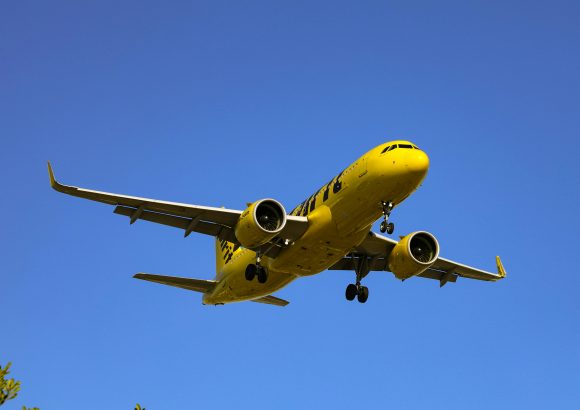
When ultra-low-cost carrier Spirit Airlines confirmed its exit from the Dominican Republic, industry observers quickly raised questions about potential disruptions to air travel connectivity and ticket pricing for the popular Caribbean tourism destination. But top Dominican aviation officials are moving to calm those concerns, saying the withdrawal will leave only a mild ripple effect across the country’s budget air travel segment.
Héctor Porcella, president of the Dominican Republic’s Civil Aviation Board, emphasized that while any departure of a operating carrier represents a notable shift for the local market, the route network Spirit once operated will not be left unserved. Multiple existing airlines have already positioned themselves to absorb the vacated capacity, ensuring continuous service for travelers heading to and from the Dominican Republic.
Porcella detailed that the country’s low-cost aviation sector remains defined by robust competition, with several major players already holding significant market share. U.S.-based budget carriers Frontier Airlines, Southwest Airlines and JetBlue all maintain active, expanded operations in the Dominican market, alongside fast-growing local low-cost carrier Arajet. Even full-service giant American Airlines, which does not operate as a budget carrier, has the capacity to pick up additional routes and passenger volume that Spirit left behind, he added.
Official data shows that in 2025, Spirit carried 470,147 passengers to and from the Dominican Republic, accounting for 4% of total passenger traffic between the Caribbean nation and the United States. On five key high-demand routes connecting the Dominican Republic to U.S. cities including Fort Lauderdale, Philadelphia, Boston, Newark and Baltimore, Spirit held roughly 20% of the total market share. According to Porcella, the seats that Spirit made available on these routes can be quickly replaced by competing airlines, a dynamic that will prevent widespread disruptions to ticket availability for leisure and business travelers alike.
The Civil Aviation Board also noted that Spirit had already projected approximately 260,000 available seats for its Dominican Republic routes in 2026. All of this planned capacity is set to be redistributed across other carriers operating in the market, a shift that will preserve existing transnational connectivity and drastically lower the risk of sudden, significant fare hikes for travelers.
Porcella highlighted that deep, established competition already exists in the country’s busiest transnational markets, such as the key routes to Fort Lauderdale and Philadelphia. Carriers including JetBlue, Frontier and American Airlines already hold large, established presences in these corridors, meaning they can scale up capacity to meet unmet demand without major delays. This existing market depth, he concluded, will help protect the affordable travel options that have made the Dominican Republic such a popular destination for U.S. travelers for decades.