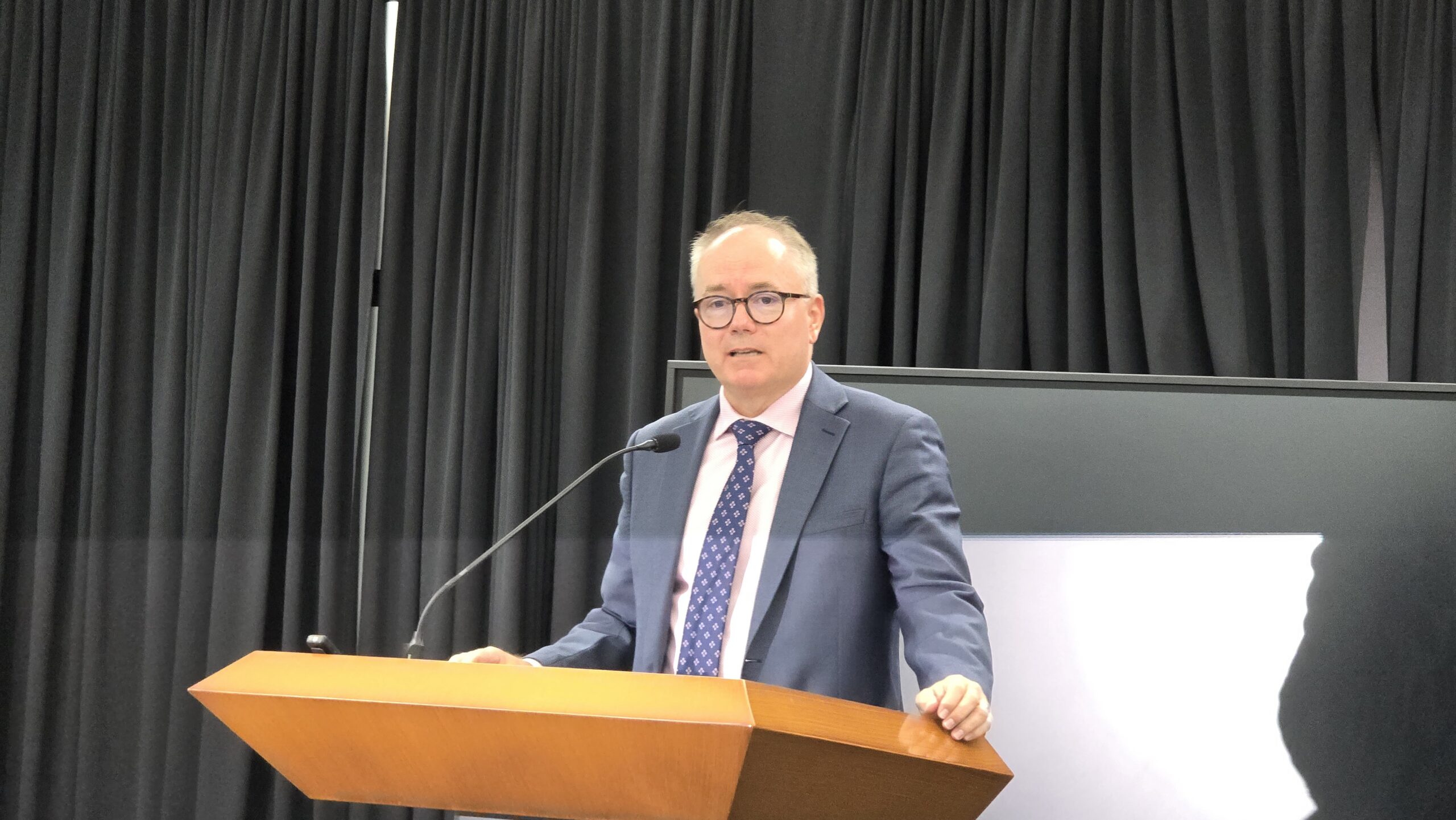
Fresh off the release of the Central Bank of Barbados’ first-quarter economic assessment, the leader of the island nation’s top private sector advocacy group has outlined a mixed but broadly encouraging outlook for the domestic economy, flagging solid growth and improving fiscal health as key drivers of rising investor confidence, while warning that external and domestic headwinds threaten to undermine long-term progress.
In a public statement issued Wednesday, James Jimmy Clarke, Chairman of the Barbados Private Sector Association (BPSA), noted that the Caribbean island logged another three months of consistent GDP expansion through the end of March, with the Central Bank pegging first-quarter growth at 1.7%. This uptick was fueled primarily by steady activity across the island’s core economic pillars: tourism, construction, business services and other service-related industries. Labour market conditions have also shown measurable improvement alongside this growth, Clarke added.
Clarke emphasized that consecutive quarters of sustained expansion deliver a clear signal of economic stability, a critical metric for drawing and retaining private capital. “Overall, the attainment of successive economic growth of the economy provides further indication of stable economic performance, an important indicator to building investor confidence in the local economy,” he said. “We anticipate that Barbados will maintain its attractiveness to private sector investors.”
The BPSA also praised the island’s ongoing solid fiscal performance, highlighting that the primary surplus for the 2025/2026 financial year hit $647 million – equal to 4% of Barbados’ GDP. Over the same period, the country’s overall fiscal deficit narrowed to just $58.3 million. These improvements have driven a downward shift in Barbados’ debt-to-GDP ratio, which fell 2.7 percentage points to 94.6% by the end of the financial year.
While international reserves dipped slightly compared to the prior reporting period, Clarke confirmed that the buffer remained robust at $3 billion as of the end of March 2026, enough to cover 25.5 weeks of imports, well above standard adequacy thresholds. Contained domestic inflation and continued improving labour metrics further add to the economy’s positive momentum, the BPSA found.
Despite these encouraging gains, Clarke did not downplay the significant challenges still facing the small island nation. External risks including ongoing global geopolitical instability and the cascading impacts of climate change have paired with domestic concerns, most notably rising energy costs and elevated crime rates, to create heightened economic uncertainty. In response to public safety threats, Clarke reaffirmed the private sector’s commitment to collaborating with other national stakeholders to mitigate the social and economic damage of crime and gun violence.
“As we face global geopolitical tensions, rising energy prices, the impacts of climate change, and concomitant social pressures causing higher levels of uncertainty, the private sector hopes for continued national resilience and stable economic performance and growth,” Clarke said.