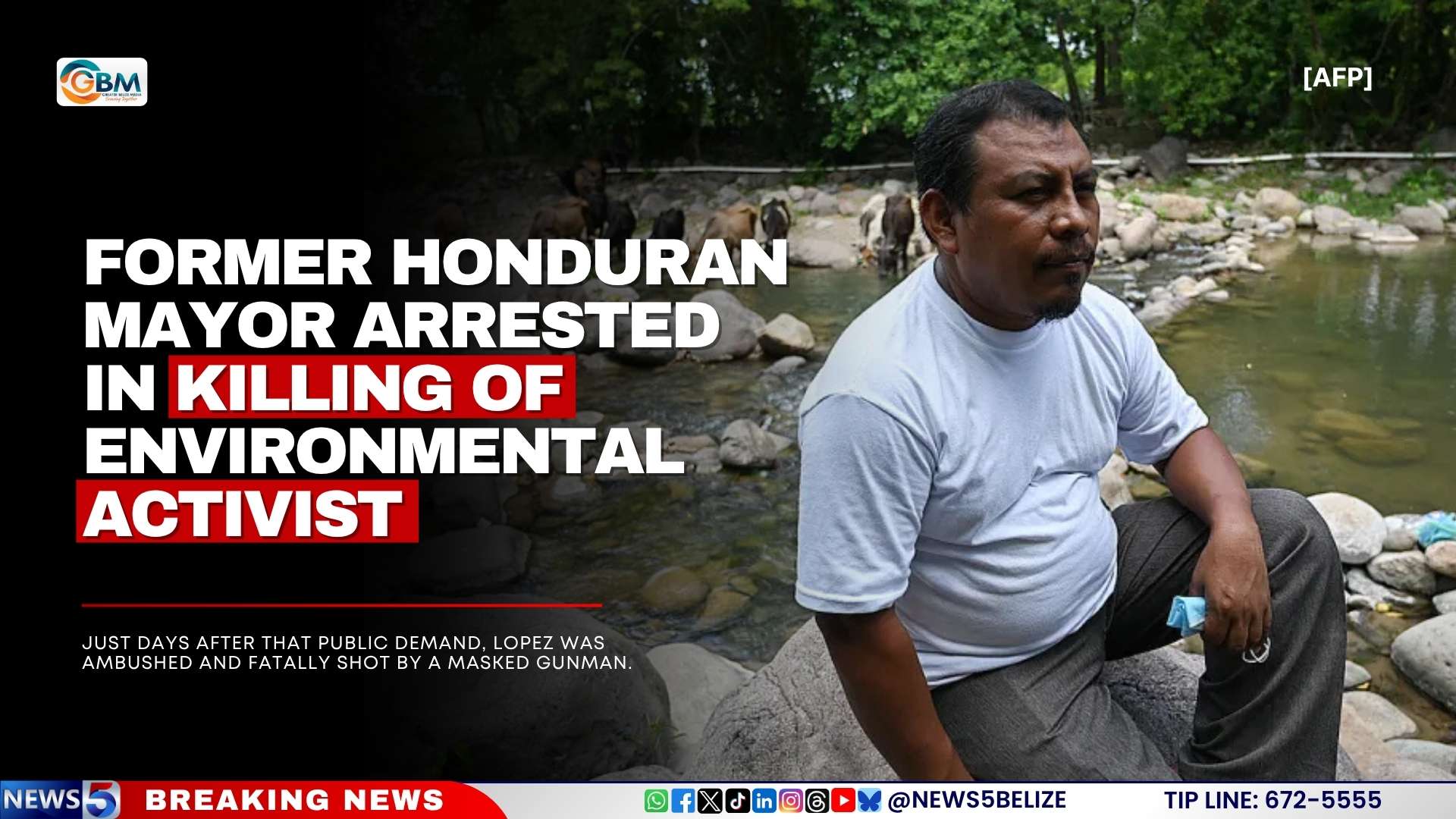
Four years after high-profile environmental advocate Juan Lopez was gunned down in northern Honduras, law enforcement officials have secured arrests in his killing, with a former local mayor at the center of the conspiracy charges. In an announcement this week, Honduran prosecutors confirmed three men — including Adan Funez, the former mayor of the city of Tocoa — have been taken into custody in connection with Lopez’s September 2024 assassination, marking a long-awaited breakthrough in a case that drew global outrage over risks to environmental defenders across Latin America.
Funez was arrested at his private residence on Tuesday, with prosecutors alleging he acted as the primary mastermind of the attack that killed Lopez. Two additional co-conspirators have also been detained: local businessman Hector Eduardo Méndez and Juan Angel Ramos Gallegos. Both face charges of criminal association tied to Lopez’s murder. A spokesperson for the Honduran Public Prosecutor’s Office confirmed Wednesday that investigators have concluded all three men are the intellectual authors of the killing, with a trial scheduled to commence as early as June 2026.
Lopez, a widely respected activist who focused on both environmental protection and anti-corruption accountability, had emerged as the most prominent public opponent of a proposed iron oxide mining project in the Colón department of northern Honduras. The planned development, which Funez publicly supported throughout his tenure as mayor, faced fierce pushback from local activists who warned the mining operation would cause irreversible damage to the region’s old-growth forests, critical river ecosystems, and nationally protected conservation reserves.
In the weeks before his death, Lopez escalated his public criticism of Funez, issuing a formal, public demand for the then-mayor to resign over a growing corruption scandal tied to the mining project. Just four days after Lopez made that demand public, he was ambushed by a masked gunman on a public street and shot multiple times in the chest and head, killing him instantly.
The assassination immediately triggered widespread international condemnation, and renewed longstanding global concerns about the deadly violence targeting climate and land defenders in Honduras and across Central America. The killing drew immediate comparisons to the 2016 assassination of Berta Caceres, another iconic Honduran environmental activist whose murder first put the global spotlight on the crisis of violence against land defenders in the region.
According to data from global environmental watchdog Global Witness, Honduras consistently ranks among the most dangerous countries on Earth for environmental and land rights activists. The organization’s 2024 report found that Latin America as a whole accounted for more than 80% of all global killings of land and environmental defenders that year, with activists working to oppose large-scale mining, logging, and infrastructure development in resource-rich regions disproportionately targeted for violence. Activists note that systemic impunity for these killings has long allowed attackers to act without consequence, though the arrests in the Lopez case mark a rare step toward accountability for attacks on environmental organizers.