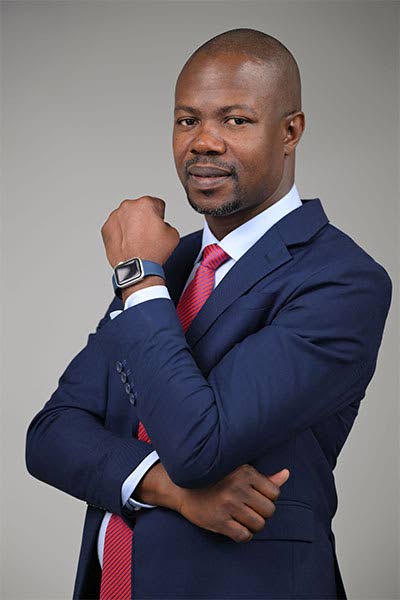
KINGSTON, Jamaica — A sitting Jamaican lawmaker has launched sharp criticism of the national government’s flagship SPARK infrastructure initiative, flagging systemic problems ranging from delayed timelines and mismatched budgeting to flawed road selection that have left key communities stranded in unsafe, unnavigable conditions. Omar Newell, the Member of Parliament representing the St Mary Central constituency, laid out his grievances in a dedicated press briefing held Tuesday, branded “Uncovering the Facts on the SPARK Road Programme”, where he detailed years of broken promises that have eroded public confidence in the government’s development commitments.
Designed to upgrade Jamaica’s crumbling road network and align with the administration’s broader economic growth and social development targets, the SPARK programme is structured into four large-scale construction packages focused on expanding and rehabilitating transportation infrastructure across the island. But for St Mary Central, Newell argues, the initiative has failed to deliver on even its most basic pledges, leaving multiple long-suffering communities stuck with deteriorating roadways that cripple daily life.
Among the hardest-hit areas are Islington, Marlborough, Essex and Tremolesworth, where unsafe road conditions have brought everyday activity to a near standstill. “These communities are dying. Islington has a high school, one of two high schools in the constituency, and three primary schools. There is no safe way in and no safe way out,” Newell told reporters.
The lawmaker recounted the timeline of unmet promises stretching back more than two years. During a public SPARK consultation held in May 2024, local residents were told that 10 roads across the constituency would be selected for rehabilitation under the programme. Newell left that meeting expecting key corridors including Thompson Town Road, Esher Avenue and Albion Mountain to be upgraded alongside several other critical routes.
After Newell was confirmed as the St Mary Central parliamentary candidate, he was invited to name liaison officers for two prioritized road projects. Construction work on those projects kicked off in March 2025, with heavy excavation equipment and work teams mobilizing to begin overhauls.
But the progress quickly ground to a halt over unresolved infrastructure issues, Newell claims. In April 2025, the liaison officer for the Kilancholly corridor flagged that contractors were preparing to lay asphalt without addressing long-standing leaking water pipe problems that had damaged the road foundation for years. Fed up with repeated complaints that went unanswered by officials, local residents grew increasingly frustrated and threatened to reach out to independent media to highlight the issue.
According to Newell, when media did begin to inquire about the problems, Robert Morgan, the minister responsible for public works, told reporters in May 2025 that piping upgrades had always been part of the Kilancholly project scope, and the issue would be resolved. More than a year later, however, residents still face major disruptions and unsafe conditions.
“We are now in May 2026, and up to last week, people were still driving into Kilancholly and into Tremolesworth experiencing significant delays because of a ridiculous amount of mud on the road,” Newell said. It was only after the MP issued a public press release last week that a work team was dispatched to the community on the following Saturday, he added. Even that intervention did little to repair public trust, Newell noted, as residents have become accustomed to repeated starts and stops on the project with no sustained progress.
Newell pushed back against attempts by the works minister to claim credit for SPARK’s successes across other parts of the country, arguing that Morgan must also take accountability for the failures in St Mary Central. Beyond the execution delays, the MP also raised serious questions about the programme’s budgeting for the constituency. When he took office, Newell said, he learned that the estimated total cost to rehabilitate the 10 promised roads exceeded 800 million Jamaican dollars — yet the total SPARK budget allocated to St Mary Central sits at just 272 million dollars.
The gap between promises and available funding has led Newell to question whether the initial commitments were made for political gain rather than genuine development. He warned that the mishandling of the programme is doing lasting damage to public confidence in government. “If you can’t trust the word of your Government, you can’t trust anything,” he said.