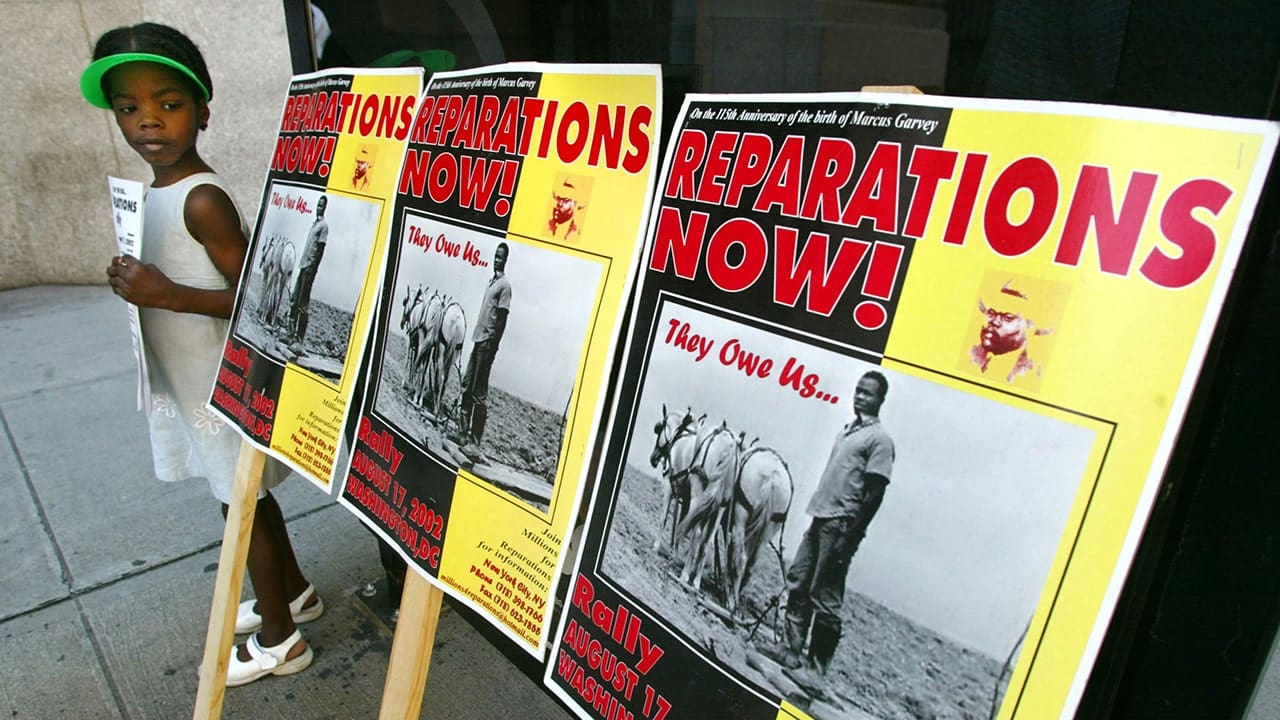
The Antigua and Barbuda Reparations Support Commission (ABRSC) has formally concluded its landmark youth-focused essay competition, drawing nearly 20 original submissions from motivated secondary, college, and university students across the twin-island nation. Designed to spark critical dialogue around a pressing issue of regional historical and social importance, the competition centered on the theme “Reparatory Justice: Reflection and Projection,” which challenged participating students to explore the core meaning, ongoing relevance, and future trajectory of reparatory justice both within Antigua and Barbuda and across the broader Caribbean community.
This initiative is one of many ongoing efforts by the ABRSC to advance its core mission: expanding public education, driving advocacy for reparations, and centering youth voices in conversations about historical justice. Commission leaders have expressed sincere encouragement over both the volume of participation and the depth of engagement young people demonstrated for a topic that shapes modern discussions of equity, national development, cultural identity, and redress for historical harms. All participants earned high praise from the ABRSC for investing the time to conduct independent research, reflect deeply on their own perspectives, and articulate thoughtful arguments around this complex social issue.
At present, all submitted essays are undergoing evaluation by a diverse panel of judges assembled to ensure a fair and comprehensive review. The panel brings together cross-sector expertise, including academic researchers, long-time reparatory justice advocates, published writers, and creative practitioners. The ABRSC has noted that this broad, multidisciplinary makeup of the judging panel guarantees that all submissions will receive a balanced, thoughtful assessment that accounts for multiple perspectives on the topic.
Per the competition timeline, winners will be officially announced on May 22, 2026, timed to align with commemorations of African Liberation Day, which is marked globally on May 25. A formal prize-giving ceremony to honor top-performing participants will follow one week later, scheduled for May 29, 2026.
In closing, the ABRSC extended gratitude to all students who submitted entries, as well as to the educators and educational institutions that supported student participation and encouraged young people to engage with the topic. The commission reaffirmed its long-term commitment to building broader public awareness of reparatory justice, creating more accessible opportunities for public engagement, and cultivating inclusive spaces where young people can contribute their unique perspectives to this ongoing national and regional conversation.