BRIDGETOWN, BARBADOS — As artificial intelligence reshapes learning and academic evaluation across the globe, the Caribbean Examinations Council (CXC) has moved to clear up widespread uncertainty among regional students, teachers and parents, laying out a balanced, fairness-centered framework for integrating AI tools into School-Based Assessments (SBAs) that puts human oversight above automated detection.
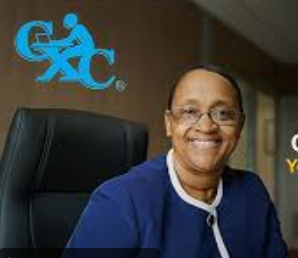
In an eight-minute public video statement shared across CXC’s official website and social media platforms, Dr. Nicole Manning, the council’s Director of Operations, openly addressed both the transformative opportunities and growing challenges that generative AI tools have introduced to secondary and post-secondary academic work in the Caribbean. She delivered direct reassurance to educators and learners navigating this fast-evolving digital shift, emphasizing that the CXC’s approach is rooted in trust for Caribbean students’ commitment to demonstrating their own knowledge and skills.
One of the most pressing concerns raised by educators and families in recent months has centered on the reliability of commercial AI detection software, which multiple independent studies have found to produce frequent false accusations of academic misconduct. In response to these worries, Manning clarified that under the CXC’s newly updated Standards and Guidelines for the Use of AI in Assessments, AI detection tools will never serve as the sole evidence for penalizing a student or invalidating their submitted work.
“The core of our SBA moderation and assessment process has always been, and will remain, the close teacher-student relationship built over months of working together — reviewing drafts, holding conversations, providing guidance and observing a student’s progress firsthand,” Manning explained. “AI detection checkers are just one source of input, not the final verdict. Human experts will be involved at every stage of the process to guarantee every student is treated fairly.”
Founded in 1972 by regional Caribbean governments, CXC took over regional examination responsibilities from British examining boards, replacing the UK-focused O-Level system with localized curricula designed to reflect the Caribbean’s unique social, economic and cultural context. The council says it has already distributed clear, actionable guidance to all regional schools outlining acceptable and unacceptable uses of AI in assessment work.
Under the new rules, students are permitted to use AI as a supportive study tool: it can be used to clarify complex concepts, brainstorm project ideas, explain confusing academic terms, or draft structural outlines for assignments. The key requirement, however, is transparency: any student who uses AI in any part of their SBA must formally disclose the use via a required disclosure form, cite the AI tool as a source, and submit an originality report along with their final work. Students who do not use AI at all are not required to submit any additional documentation.
CXC classifies submitting work that is generated entirely or predominantly by AI without disclosure as an act of academic dishonesty. Such cases will be processed following the council’s established irregularities protocols, which involve collaborative review with the student, their classroom teacher, and school principal to reach a fair outcome.
Manning also recognized the heavy adjustment burden that AI integration has placed on the Caribbean teaching community, and pledged full institutional support from CXC, including dedicated resources and targeted training to help teachers navigate the AI landscape with confidence and consistent practice across all regional schools.
“You are not alone in this transition,” Manning said, addressing teachers directly. “We encourage you to have open, honest conversations with your students about responsible AI use, guide them on what is allowed and what is not, and help them understand that academic integrity is a value that extends far beyond the examination room.”
Closing her statement, Manning offered a direct message to Caribbean students, urging them to prioritize integrity in their academic choices. “Integrity is not about whether a machine can detect what you did,” she said. “It is about who you choose to be as a learner and as a professional.”