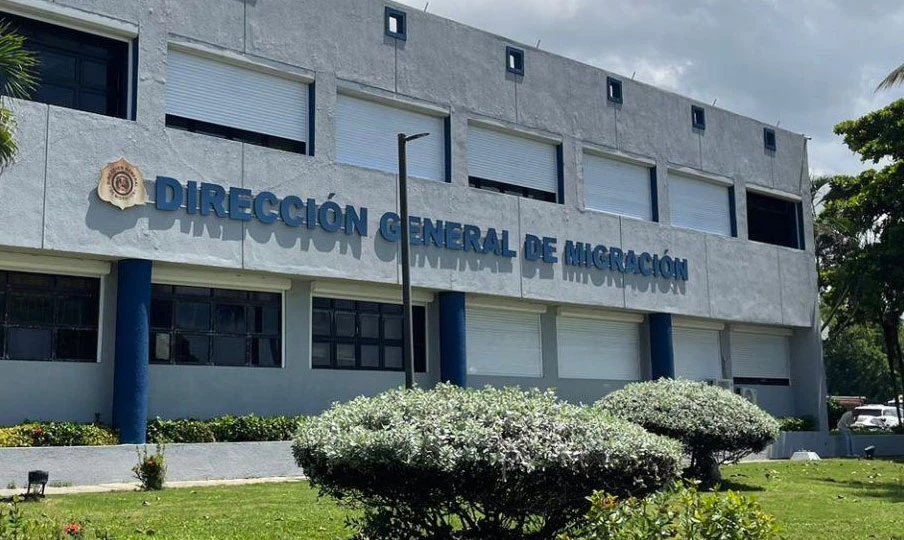
SANTO DOMINGO — Dominican Republic’s top immigration agency has launched a renewed enforcement push targeting businesses and individuals that hire foreign workers without valid immigration status, threatening steep financial penalties for non-compliant employers. The General Directorate of Migration (DGM) director general, Luis Rafael Lee Ballester, confirmed the enforcement action applies across all major labor sectors, from formal commercial enterprises to private domestic employers and agricultural operations that rely on foreign labor.
As of the latest update from the agency, 112 companies have already been issued sanctions for violating the country’s immigration employment rules. Penalties are structured based on the severity of each violation, with fines falling between 15 and 20 times the national minimum wage. To operate legally when hiring foreign workers, employers are required to secure the Temporary Worker Permit (TT-1), a process that mandates verification that every foreign employee entered the Dominican Republic through legal channels with a valid, appropriate visa. Once verified, employers must also register their foreign staff with two key government bodies: the Ministry of Labor and the Social Security Treasury (TSS). This registration ensures foreign workers gain access to mandatory health insurance and occupational risk coverage, bringing them into compliance with the country’s labor and social protection regulations.
Beyond the hiring process, employers also bear an ongoing legal responsibility to notify DGM any time a foreign worker is dismissed from their role. This notification allows immigration authorities to review the worker’s current immigration status and take appropriate follow-up action if needed. To streamline enforcement and expand access to legitimate permit services across the country, Lee Ballester noted that DGM is currently working to strengthen and decentralize its operations. The agency has expanded service locations to major population and tourism hubs including Santo Domingo, Punta Cana, Puerto Plata, and Santiago, with the goal of boosting operational efficiency and rolling out consistent regulatory support to all regions of the Dominican Republic.