Small island developing states across the Eastern Caribbean have long grappled with overlapping threats to food sovereignty, from intensifying climate shocks to persistent economic volatility and heavy reliance on expensive food imports. Now, a groundbreaking public-private partnership between the Zero Hunger Trust Fund (ZHTF) and the European Union is rolling out a targeted regional initiative designed to address these gaps while investing in the next generation of food systems leaders.
Officially launched on March 27, 2026, the 18-month “Cultivating Futures – Empowering Youths for a Food Secure Region” project is funded through the EU’s Caribbean Fund for Nutrition (EU-CaN), a four-year regional food security program that supports six member states of the Organisation of Eastern Caribbean States. The first phase of implementation will reach four countries: Dominica, Saint Vincent and the Grenadines, Saint Lucia, and Grenada, marking a major milestone in collective action to improve regional food resilience.
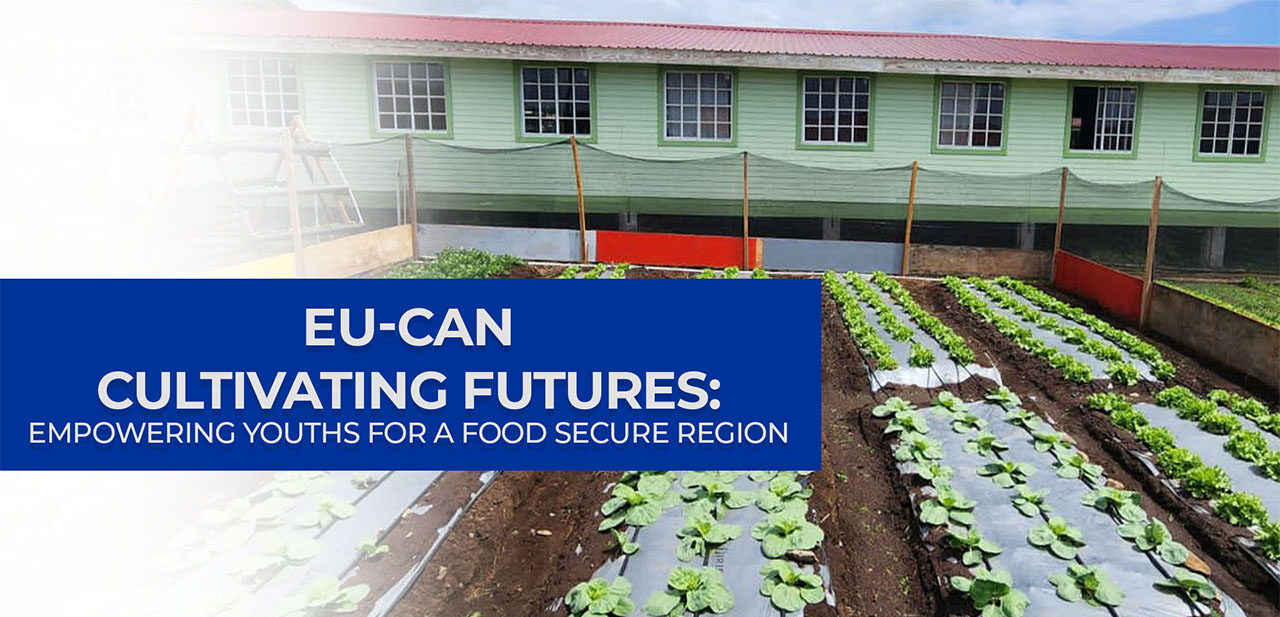
At the core of the initiative is a focus on integrating sustainable food practices into primary school environments. Over the course of the project, 10 participating primary schools will either establish new ecological school gardens or upgrade existing growing spaces in vulnerable communities. The program targets approximately 1,600 students aged 5 to 11, combining improved access to nutritious local food with hands-on learning opportunities that would not otherwise exist in standard curricula.
Beyond just building gardens, the initiative provides comprehensive training and ongoing technical support to a broad range of school stakeholders, including teachers, cafeteria cooks, school administrators, and local community partners. Training modules cover climate-smart sustainable farming techniques, garden maintenance, evidence-based nutrition education, and healthy, locally-focused menu planning for school meal programs. This holistic approach ensures that gardens remain productive and educational long after the project’s initial 18-month timeline concludes.
To encourage engagement and friendly competition among participating institutions, the project will also host a range of youth-centered activities, public outreach forums, national awareness campaigns, and a regional “Garden-to-Lunch” School Garden Competition, which celebrates creativity, innovation, and excellence in sustainable school gardening.
Safiya Horne-Bique, Director and CEO of the Zero Hunger Trust Fund Saint Vincent and the Grenadines (ZHTF-SVG), framed the project as a transformative investment in both the region’s food future and its young people. “Cultivating Futures places children and communities at the center of sustainable food security efforts across the Caribbean,” she explained. “We are not only expanding access to fresh, nutrient-dense local produce for schools—we are creating space for young people to build a deep, firsthand understanding of agriculture, nutrition, environmental stewardship, and community resilience.”
Horne-Bique emphasized that regional cooperation is critical to addressing the growing food security challenges facing small island states. “Small island developing states continue to face mounting pressures from climate change, global economic disruptions, and long-standing dependence on food imports,” she noted. “This project demonstrates the power of cross-border partnerships and community-led solutions that empower our youth while strengthening local food systems for generations to come.”
Project Coordinator Chanda Davis added that the initiative’s hands-on model is designed to make agriculture and sustainability accessible and engaging for young learners, rather than abstract academic concepts. “By integrating ecological gardens into the daily learning environment, students get to actively participate in growing their own food, learn about the value of healthy diets, and build lifelong skills tied to sustainability and self-sufficiency,” Davis said. She added that organizers hope the impact of the project extends far beyond school walls, inspiring a new generation of environmentally conscious citizens and future agricultural leaders across the region.
“Our goal is to help students see agriculture not just as a casual activity, but as a core pillar of community resilience, economic entrepreneurship, and national development,” Davis explained.
The Cultivating Futures project is part of a broader global and regional push to reduce food insecurity, improve nutrition outcomes, and boost climate resilience for vulnerable populations across the Caribbean. In the coming weeks, participating national governments will issue formal calls for primary schools to submit applications to join the initiative. A formal regional launch ceremony and media briefing is scheduled for June 23, 2026, in Saint Vincent and the Grenadines, with attendees including representatives from all participating countries, regional intergovernmental bodies, national government agencies, and international development partners focused on food security and sustainable development.
Updates on project progress, application details, and additional resources are available to the public via the ZHTF-SVG official website (https://zerohungersvg.com/eu-cultivatingfutures/) and the project’s social media channels on LinkedIn, Facebook, and Instagram.