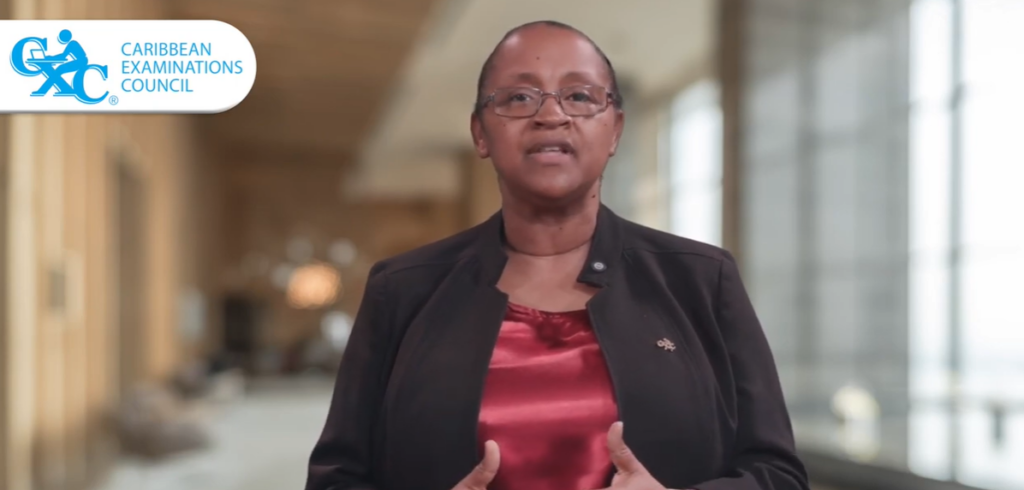
BRIDGETOWN, Barbados — As artificial intelligence reshapes learning and academic evaluation across the globe, the Caribbean Examinations Council (CXC) has unveiled a balanced, fairness-focused approach to integrating AI into school-based assessments (SBAs), centering human oversight and academic integrity while acknowledging the digital tools’ legitimate educational value. In a public video address published to CXC’s official website and social media platforms this Monday, Dr. Nicole Manning, the council’s director of operations, opened a transparent dialogue about both the transformative opportunities and pressing challenges that generative AI tools bring to student coursework and regional assessment systems, delivering clear reassurance to both learners and educators adapting to this rapidly evolving digital shift.
A core point of concern among educators and students across the Caribbean has centered on the reliability of commercial AI detection software, a tool many institutions have turned to in a bid to curb academic dishonesty. Addressing these widespread worries in line with CXC’s newly updated Standards and Guidelines for the Use of AI in Assessments, Manning emphasized that AI detection will never serve as the final, standalone basis for judgment on a student’s submitted work.
“The teacher-student relationship, forged over months of one-on-one observation, draft reviews, ongoing conversations, and targeted guidance, remains the heart of how we moderate and grade school-based assessments,” Dr. Manning explained. “AI checkers are just one source of input, not the final verdict on a student’s work. Human expertise and intervention will be embedded at every stage of the process to guarantee every candidate is treated fairly,” she added.
The council has laid out clear, permissive guidelines for legitimate AI use by students: tools can be leveraged to build understanding of complex concepts, brainstorm project ideas, clarify confusing terminology, and develop structural outlines for assessments. A key requirement applies across all use cases: any student who incorporates AI into their work in any capacity must disclose this use, cite the tool as a source, and submit a required disclosure form alongside an originality report with their final SBA. For students who complete their work without any AI assistance, no additional documentation is required.
CXC classifies the submission of work generated entirely or predominantly by AI without proper disclosure as academic dishonesty. Cases of this nature will be processed through the council’s existing established irregularities protocols, which include collaborative review involving the candidate, their classroom teacher, and school principal to resolve the matter fairly.
Manning also recognized the heavy adjustment burden that AI integration has placed on the Caribbean’s teaching community, and pledged ongoing institutional support from CXC, including targeted resources and specialized training to help teachers navigate the AI landscape with confidence and consistent application of the new guidelines. “You are not alone in this transition,” she stated. “We encourage you to have open, honest conversations with your students about how to use AI responsibly, guide them on what uses are permitted and what are not, and help them understand that academic integrity is a value that extends far beyond the assessment room.”
Addressing students directly, Dr. Manning urged learners to approach their work with intentional integrity, framing ethical decision-making as a personal choice rather than a matter of evading detection. “Integrity is not about whether a machine can detect what you did. It is about who you choose to be,” she said.