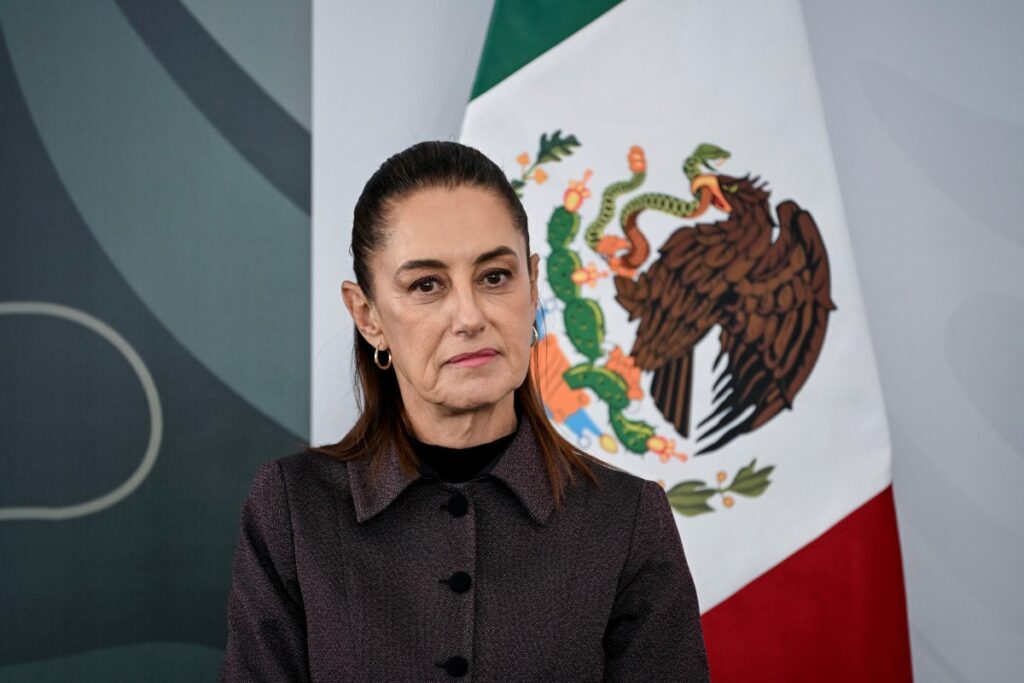
MEXICO CITY, Mexico — In an abrupt policy reversal prompted by fierce public pushback, Mexican President Claudia Sheinbaum confirmed Monday that the federal government will reevaluate a controversial plan to end the 2025-2026 academic year 40 days ahead of schedule, a proposal tied to preparations for the upcoming 2026 FIFA World Cup co-hosted by Mexico, the United States, and Canada. The proposal, first unveiled last Friday by Education Secretary Mario Delgado, framed the early end date of June 5 as a necessary adjustment not just for World Cup logistics, but also as a response to the extreme heat wave sweeping across much of the country. Under the original academic calendar, the school year was set to conclude on July 15, with a standard six-week summer vacation running through August 31 ahead of the new term. The 2026 World Cup is scheduled to kick off on June 11, with Mexico’s opening match against South Africa taking place right here in Mexico City. Speaking to reporters Monday, Sheinbaum announced that education officials and leaders from across federal agencies would convene the same day to collect feedback from parent groups and review all possible alternatives to the original proposal. “Our guiding principle is to retain the traditional six-week vacation period that has been in place for decades,” Sheinbaum explained. “One potential path forward is a phased start to the next academic year, with some student groups beginning classes earlier while others remain on the original scheduling timeline. The ultimate goal is to reach a decision built on broad consensus, and right now that means prioritizing listening to the public.” The original plan has already faced formal rejection from two major Mexican states that are serving as World Cup host venues. In Jalisco, where the capital city of Guadalajara will host multiple World Cup matches, local officials have announced they will only suspend classes for the four days that games are held in the city, rather than closing for the full early period. Nuevo Leon, home to host city Monterrey which will also welcome four tournament matches, has gone even further: Governor Samuel Garcia confirmed the state will retain the full original national academic calendar with no early end to the school year. Beyond state-level pushback, parent organizations across the country have raised fierce criticism of the policy, and independent education think tank Mexico Evalua has warned that the cut would cause significant long-term learning setbacks for Mexican students. In a formal analysis of the proposal, the group noted that slashing the academic year would reduce total effective instructional time for more than 23.4 million students across the country, worsening already existing gaps in educational outcomes. Beyond the academic calendar controversy, President Sheinbaum also used Monday’s announcement to reassure the public that all necessary security arrangements for the tournament are on track. She added that ongoing public infrastructure projects tied to the World Cup, including major renovations to the iconic Azteca Stadium and expansion work at Mexico City International Airport, remain on schedule for completion ahead of the tournament’s opening kickoff.