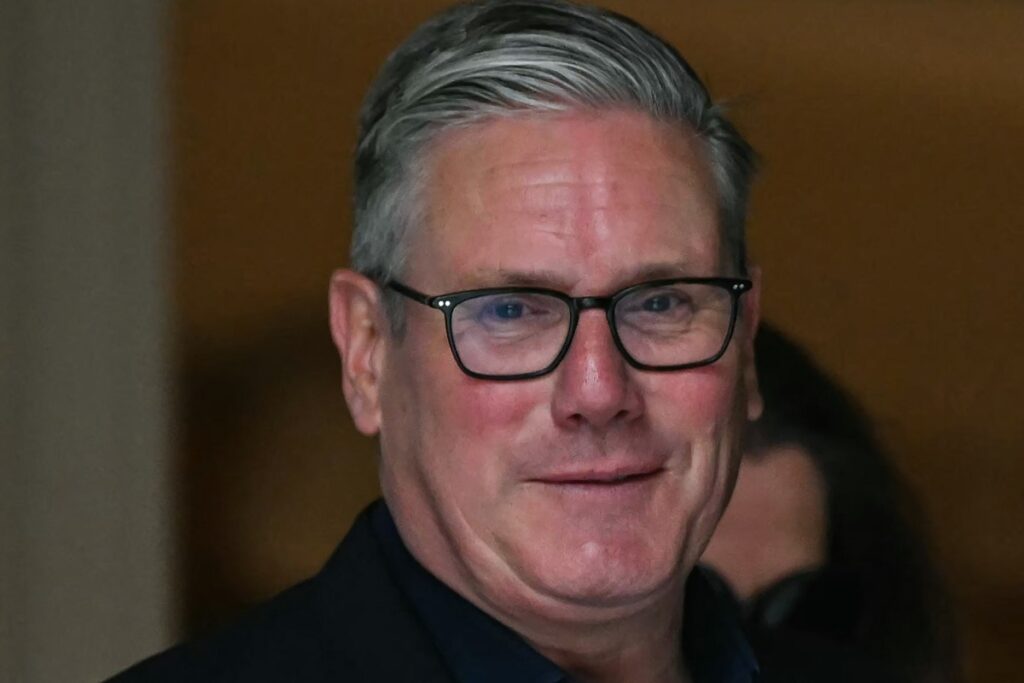
LONDON, United Kingdom – Just 10 months after sweeping to power on a wave of public demand for change following 14 years of Conservative rule, British Prime Minister Keir Starmer is facing the most severe crisis of his leadership, sparked by catastrophic results in last week’s local and regional elections that have left his Labour Party reeling. On Monday, the 63-year-old prime minister delivered a urgent address to shore up his position, vowing to silence critics who question his leadership and reverse the public’s growing discontent with his tenure.
His pledges to deliver more bold, transformative policy have failed to win over dissenters within his own party, however. As of Monday evening, at least 55 of Labour’s roughly 400 sitting members of parliament have publicly called for Starmer to step down, including three junior government aides who resigned from their posts to signal their loss of confidence in his leadership.
Joe Morris, former parliamentary private secretary to Health Secretary Wes Streeting – a figure long speculated to be preparing a potential leadership bid – wrote on social media platform X that it is now undeniable that Starmer no longer holds the public trust required to deliver the change voters overwhelmingly backed last year. Tom Rutland, a former aide to Environment Secretary Emma Reynolds, echoed that sentiment, saying Starmer has irrevocably lost his authority among the parliamentary Labour party and cannot rebuild the support needed to govern effectively.
Under Labour’s internal party rules, any candidate seeking to challenge Starmer for the leadership must secure the backing of 81 Labour MPs – equal to 20% of the party’s parliamentary caucus – to trigger an official leadership contest. While challengers have not yet hit that threshold, a formal contest would almost certainly ignite a damaging wave of internal factional infighting, with MPs from the party’s left and right wings jockeying to elevate their preferred candidate or shore up Starmer’s remaining support.
Starmer took office in July 2024 following a landslide general election victory that ended 14 years of Conservative governance marked by harsh austerity policies, repeated Brexit-related internal chaos, and widespread criticism of the party’s handling of the COVID-19 pandemic. But his first 10 months in Downing Street have been marred by one policy misstep after another, most recently a high-profile scandal over the appointment and rapid sacking of Peter Mandelson as UK Ambassador to the United States, after new revelations emerged about Mandelson’s past ties to convicted sex offender Jeffrey Epstein.
Starmer has also failed to deliver the sustained economic growth needed to ease the ongoing cost of living crisis that continues to strain household budgets across the UK, though he has drawn rare cross-party praise for his firm resistance to U.S. President Donald Trump’s stance on Iran.
Last week’s local and regional elections delivered a damning verdict on Starmer’s first 10 months in power, with major gains at Labour’s expense going to the hard-right Reform UK and the left-wing populist Green Party. For the first time since the devolved Welsh parliament was established in 1999, Labour lost control of the legislature to Welsh nationalist party Plaid Cymru, and the party also failed to make any meaningful gains against the Scottish National Party in the Scottish Parliament.
In his crunch address on Monday, Starmer acknowledged the widespread public anger over the state of the country, the political system, and his leadership. “I know I have my doubters, and I know I need to prove them wrong, and I will,” he told the party. He committed to delivering a sweeping, ambitious policy shift rather than incremental change, focusing on three core areas: boosting long-term economic growth, forging closer ties with the European Union, and accelerating the transition to clean energy.
In one of the most significant shifts of his premiership, Starmer pledged to fully nationalize British Steel, and delivered the harshest assessment of Brexit from any UK prime minister since the country’s acrimonious departure from the bloc in 2020, admitting the 2016 referendum result had left the UK poorer, weaker, and less secure on the global stage. He launched a blistering attack on Reform UK leader Nigel Farage – the face of the 2016 pro-Brexit campaign and a figure now widely tipped as a potential future prime minister – labeling Farage a chancer and a grifter who dragged the country into its current precarious position for his own political gain. “If we don’t get this right our country will go down a very dark path,” he warned.
Despite Starmer’s appeal for unity, the rebellion against his leadership shows no signs of easing. Senior Labour MP Catherine West, who had previously threatened to trigger a leadership challenge on Monday, announced she was instead collecting signatures from Labour MPs calling on Starmer to outline a formal timetable for a leadership election to be held in September. Starmer has hit back, pledging to fight any challenge to his leadership and warning that the voting public will never forgive Labour if the party repeats the same internal chaos that defined the latter years of Conservative rule, which saw five different prime ministers take office between 2010, including three in just four months in 2022.
Speculation has long centered on Health Secretary Wes Streeting and former Deputy Prime Minister Angela Rayner as the most likely candidates to challenge Starmer, but neither figures command universal support across the fractious parliamentary Labour party. Rayner, who has stopped short of publicly calling for Starmer’s resignation, acknowledged in her own remarks on Monday that the current approach to governance is failing and demands urgent change. Another popular potential contender, Greater Manchester Mayor Andy Burnham, is currently ineligible to run for leader as he does not hold a seat in parliament.
The lack of a clear, broadly popular successor to Starmer means the prime minister could still cling to power, especially with the next UK general election not scheduled to take place until 2029. All eyes now turn to Wednesday, when Starmer is set to lay out his full legislative agenda for the coming parliamentary session in the annual King’s Speech, in what will be widely read as a make-or-break moment for his leadership.