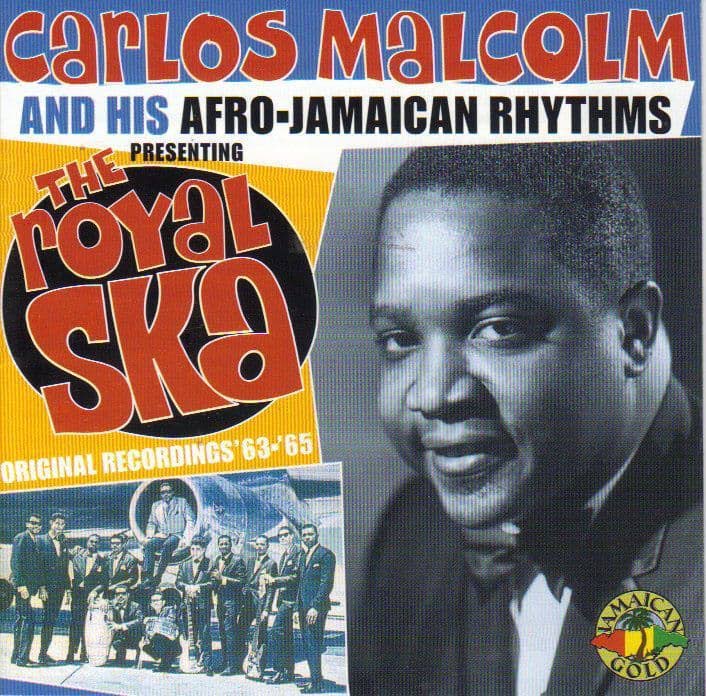
Carlos Malcolm, the world-renowned Panamanian-born trombonist and foundational figure in 1960s Jamaican ska music, passed away on April 6 at his residence in Palm Bay, Florida, at the age of 91. His death was officially confirmed by his son, Leighton Malcolm.
Malcolm built his enduring legacy as the founder and leader of the iconic group Afro Jamaican Rhythms, an ensemble that rose to prominence during the global breakout of Jamaican ska in the early 1960s. One of the band’s most recognizable tracks, *Bonanza Ska*, drew its creative inspiration from the hit American western television series *Bonanza*, blending mainstream U.S. pop culture with the emerging Caribbean sound that would reshape global music. The collective’s early roster read as a who’s who of Jamaican music talent, featuring legendary percussionist Larry McDonald, influential vocalist Joe Higgs, drummer Winston “Sparrow” Martin, and bassist Boris Gardiner.
Long before he made his mark on the global music industry, Malcolm cut his teeth in Jamaican media. Following his time at Kingston’s Calabar High School – where he counted among his classmates future Jamaican Prime Minister P.J. Patterson, Marcus Garvey Jr., and prominent journalists John Maxwell and Wilmot “Motty” Perkins – Malcolm pursued work in journalism. He covered Jamaica’s burgeoning music scene for *West Indian Review*, and held positions at Radio Jamaica and the newly launched Jamaica Broadcasting Corporation.
Malcolm’s first major professional music opportunity came in 1957, when he earned a spot performing with the Jamaica All Star Jazz Orchestra alongside other iconic trombonists Don Drummond and Rico Rodriquez. His career also intersected with major global pop culture history: he contributed his musical talents to *Dr No*, the very first James Bond feature film, which premiered in 1962. Starring Sean Connery, the landmark movie was filmed primarily on location in Kingston, and its soundtrack spotlighted work from a host of top Jamaican musicians, including Malcolm himself.
Over the course of his decades-long career, Malcolm received numerous high honors in recognition of his contributions to Jamaican music. He was awarded the Prime Minister’s Lifetime Achievement Award in 2000, and picked up a second lifetime achievement honor from the Jamaica Reggae Industry Association in January 2017. Later that same year, the Jamaican government bestowed upon him the title of Officer Class in the Order of Distinction, the country’s highest award for contributions to national development. 2017 also saw the release of Malcolm’s authoritative book, *A Personal History of Post-war Jamaican Music: New Orleans Jazz, Blues to Reggae*, which chronicled his decades of experience in and first-person observations of the evolution of Jamaican popular music.
Malcolm is survived by Valerie, his wife of 54 years, three children, six grandchildren, and two great-grandchildren.