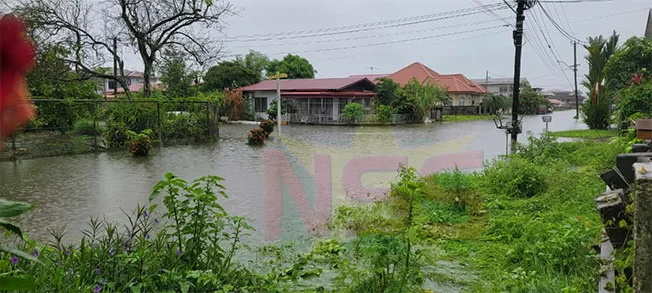
On May 10, widespread flooding paralyzed large swathes of Suriname, as weeks of continuous monsoon rainfall turned urban streets into rushing rivers, submerged residential yards, and destroyed entire agricultural harvests. What makes this disaster particularly devastating for local communities is that it was entirely avoidable: the annual rainy season arrives on schedule every year, yet systemic neglect of critical water management infrastructure has turned a routine seasonal event into a humanitarian and economic crisis.
Residential neighborhoods across the country are grappling with waist-deep floodwaters that have seeped into homes, trapping many residents indoors and forcing them to salvage belongings amid rising tides. In the northern district of Suriname, resident Esselien described the crisis as the worst she has ever experienced, as floodwaters poured through the doors of her property. Another local, Kiran, had prepared special Mother’s Day treats to deliver to her mother, but was forced to abandon the plan after her street became a stagnant, lake-like floodplain.
The damage extends far beyond residential disruption, hitting small business owners and agricultural producers the hardest. Farmers across rural Suriname have watched months of cultivation work disappear underwater, with entire vegetable crops rotting in the fields before they could be harvested. Many farmers point to longstanding failures in regional water management: one grower lamented that sluice gates are often not opened during low tide to allow floodwater to drain out to sea. Others note that regional drainage ditches have been left unmaintained for decades, becoming choked with overgrown weeds, illegal waste dumping, and debris that blocks water flow entirely. Even as floodwaters rise, these long-unaddressed infrastructure gaps prevent any effective drainage of inundated land.
Small businesses that rely on the annual Mother’s Day shopping rush have also been ruined by the disaster. Vendors across the country had already set up temporary street stalls to sell flowers, baked goods, holiday treats, and gifts for the occasion, investing thousands of dollars in inventory ahead of the busy sales weekend. But with streets submerged and residents focused on protecting their homes from flooding, no customers have arrived. Perishable goods including fresh flowers and baked goods are already spoiling, leaving vendors facing crippling losses with no path to compensation.
Local residents and analysts alike blame the crisis on decades of administrative indifference and broken political promises. Every election cycle, candidates vow to renovate outdated drainage infrastructure and clear clogged waterways, but once votes are counted, the sense of urgency evaporates. This year, the disaster comes just days after Suriname marked 160 years of representative democracy, a bitter irony for flood victims who note that parliamentarians, most of whom live on high, flood-free ground, have shown little empathy for their struggle.
Beyond government inaction, the crisis is also exacerbated by growing public carelessness toward the living environment: illegal dumping of plastic, household waste, and large debris across the country has slowly turned drainage ditches into informal landfills, leaving nowhere for excess rainwater to go. Suriname has fallen into a dangerous pattern of only responding to flooding after neighborhoods are already submerged, relying on last-minute emergency fixes instead of proactive, long-term infrastructure maintenance.
But floodwaters do not wait for committee meetings, official memos, or public tender processes. When critical maintenance is delayed for decades, the public always ends up paying the price. Today, that cost is being borne by farmers who have lost their livelihoods, small business owners who have lost their holiday income, and working families who have lost their homes and belongings to floodwaters. As rain continues to fall, a shared anger has grown across affected communities: this is not a natural disaster. It is the entirely predictable result of years of institutional neglect, and no one has stepped forward to compensate victims for their losses.