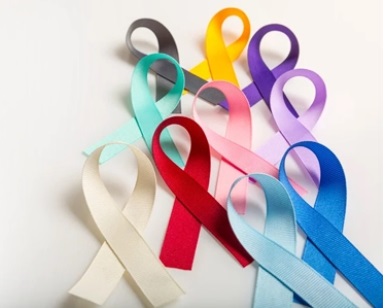
For the small Caribbean island of Barbados, home to fewer than 280,000 people, what public health experts are now calling a cancer crisis is no overstatement – it is a growing, silent epidemic that has touched nearly every family across the nation. In recent years, most households have lost multiple family members to the disease, yet policymakers have yet to treat the rising mortality and incidence rates with the urgency this public health emergency demands. Even today, no comprehensive national strategy exists to investigate the root causes of sky-high cancer rates or map out a clear path to reverse the troubling trend.
The most rigorous recent analysis of Barbados’ cancer patterns comes from a 2026 World Cancer Day report produced by the University of the West Indies (UWI), in partnership with the Barbados National Registry and the Ministry of Health. The study confirmed that the four most prevalent cancers on the island remain prostate, breast, colorectal, and corpus uteri cancers, with mortality rates climbing sharply over a decade: from 577 cancer-related deaths in 2013 to 820 in 2022.
That steep rise translates to an alarming incidence rate that outpaces the global average, with roughly 1,000 new diagnoses recorded on the island each year. One of the most dangerous gaps in Barbados’ cancer response is the persistent pattern of late detection: researchers confirmed that in 2022, a large share of patients received their first diagnosis only after the cancer had metastasized, or spread, to other parts of the body. At that late stage, treatment options are severely limited, and survival rates drop dramatically. Even more worrying is the accelerating trend of diagnoses among younger people, shattering the long-held myth that cancer is exclusively an older adult’s disease, and leaving more people in their prime working and family years navigating a devastating diagnosis.
Access to life-saving treatment has also been hampered by systemic delays. Last year, local outlet Barbados TODAY exposed that prostate cancer patients were forced to travel abroad for urgently needed radiotherapy, incurring crippling personal costs, because the island’s long-awaited linear accelerator – critical radiation treatment equipment – remained non-operational. While government officials have since framed the completion of the accelerator’s installation as a major step forward for local cancer care, the years-long delay in bringing it online has already contributed to avoidable suffering for hundreds of patients.
Beyond treatment access gaps, public health experts and advocates stress that the island lacks coordinated national investment in prevention, routine screening, and etiological research. The Barbados Cancer Society has already warned that colorectal cancer is on track to overtake other forms to become the most common cancer on the island. Professor R. David Rosin, a leading researcher on the topic, has highlighted poor dietary habits as a key modifiable risk factor, while emphasizing that the single most impactful intervention would be expanded early detection programs.
Critical questions about the drivers of the crisis remain unanswered. Are environmental toxins contributing to elevated risk? Do widespread lifestyle habits exacerbate population-level vulnerability? Is public education about cancer risk and screening sufficient? Do policymakers allocate enough funding to research into the causes of the island’s unusually high rates?
Barbados already proved during the COVID-19 pandemic that it can rapidly mobilize national resources and coordinate a unified response when facing a public health emergency. Advocates and researchers argue cancer deserves that same level of urgent, coordinated action. A robust national cancer strategy would expand accessible screening programs, launch targeted public education campaigns, widen access to affordable diagnostic testing, cut wait times for life-saving treatment, and increase sustained investment into local research.
The island already has a legacy of world-leading cancer research that demonstrates its inherent intellectual capacity to tackle this crisis. The late Dr. Juliet Daniel, an acclaimed Barbadian scientist, made pioneering breakthroughs in research on Triple Negative Breast Cancer, a particularly aggressive form of the disease that disproportionately impacts Black women. Her discovery of the Kaiso gene was hailed globally as a major leap forward in understanding the condition. Her legacy proves that Barbados can contribute meaningfully to the global fight against cancer – but local scientific talent needs sustained investment, institutional support, and national commitment to deliver impact.
Right now, what Barbados needs most is decisive national leadership and a coordinated, actionable plan to address the crisis before rates climb even higher and more families are devastated by preventable illness and death.