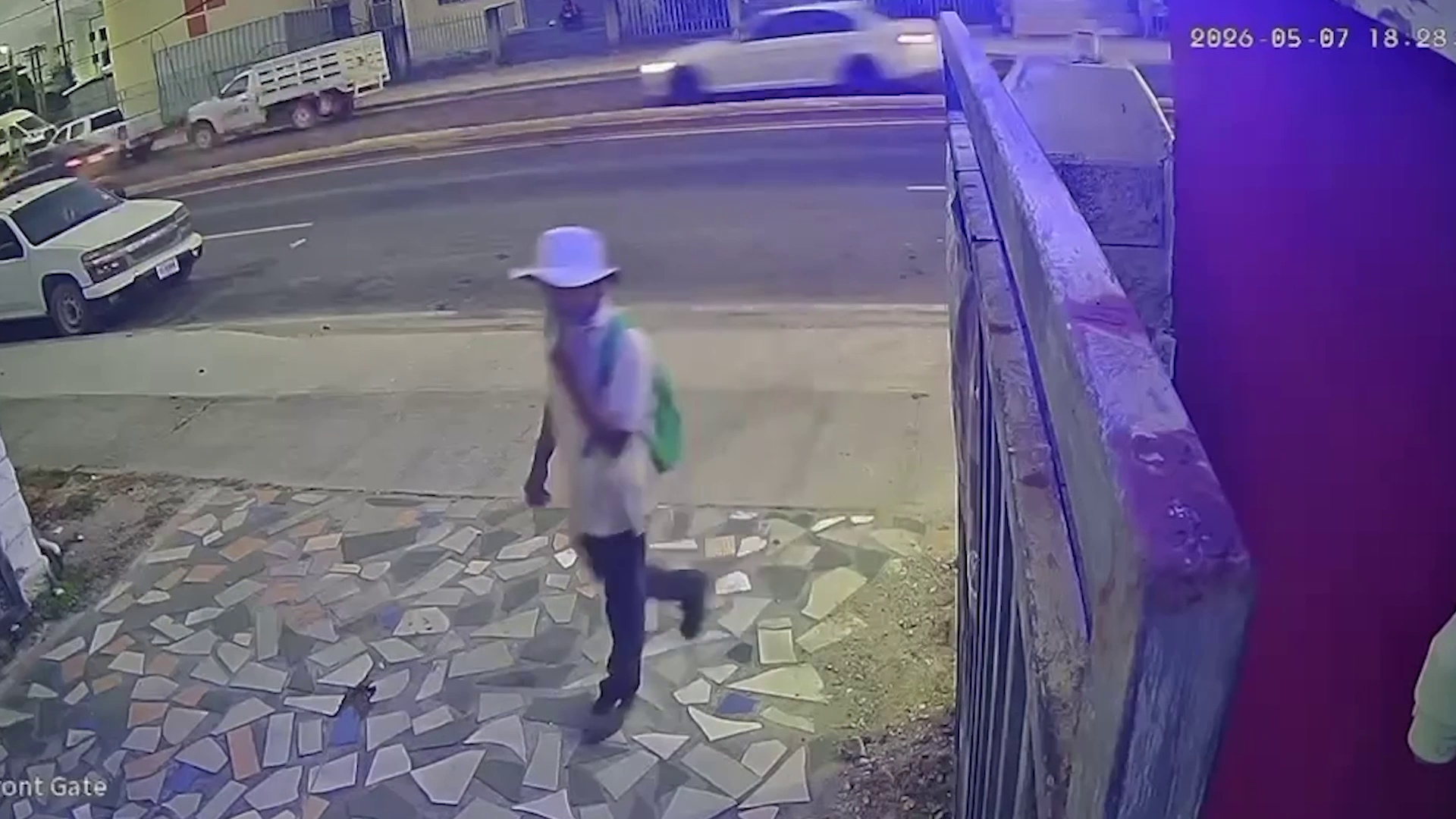
As the investigation into the high-profile Funez murder case progresses in Belize, law enforcement officials have issued a sharp public rebuke of unethical online misinformation that is endangering innocent civilians and derailing official investigative work. At the center of the controversy is an AI-altered image of a purported murder suspect, published and spread by an unaffiliated social media news blog.
Assistant Superintendent Stacy Smith, a staff officer with the Belize Police Department, went public on May 8, 2026 to call out the blog’s irresponsible action, labeling the post as fundamentally reckless. Smith emphasized that the digitally generated image bears no resemblance to the actual suspect currently in police custody, with significant discrepancies in both facial features and the suspect’s age.
Beyond undermining the official investigation, Smith warned that the fake depiction creates a serious public safety threat. The doctored image could lead to wrongful identification and vigilante targeting of an unrelated civilian living in Belize City who happens to match the AI-generated description. Given the severity of the murder charge, any misidentification could put that innocent person in grave danger, Smith explained.
In a public address, Smith appealed to all individuals and groups involved in sharing public information—whether formally regulated media outlets or unvetted online self-described informants—to prioritize ethical standards in their work. “You certainly put lives at risk and detract from the process of investigation,” she stated, highlighting the real-world harm that unregulated AI-generated misinformation can cause during active criminal probes.
To keep the public updated on the progress of the murder investigation, law enforcement has scheduled a follow-up press conference for Monday, where investigators will share official updates on their latest findings. This incident has emerged as a high-profile example of the growing risks posed by unregulated use of artificial intelligence to generate content related to active criminal cases, prompting renewed calls for online accountability among unofficial news sources.