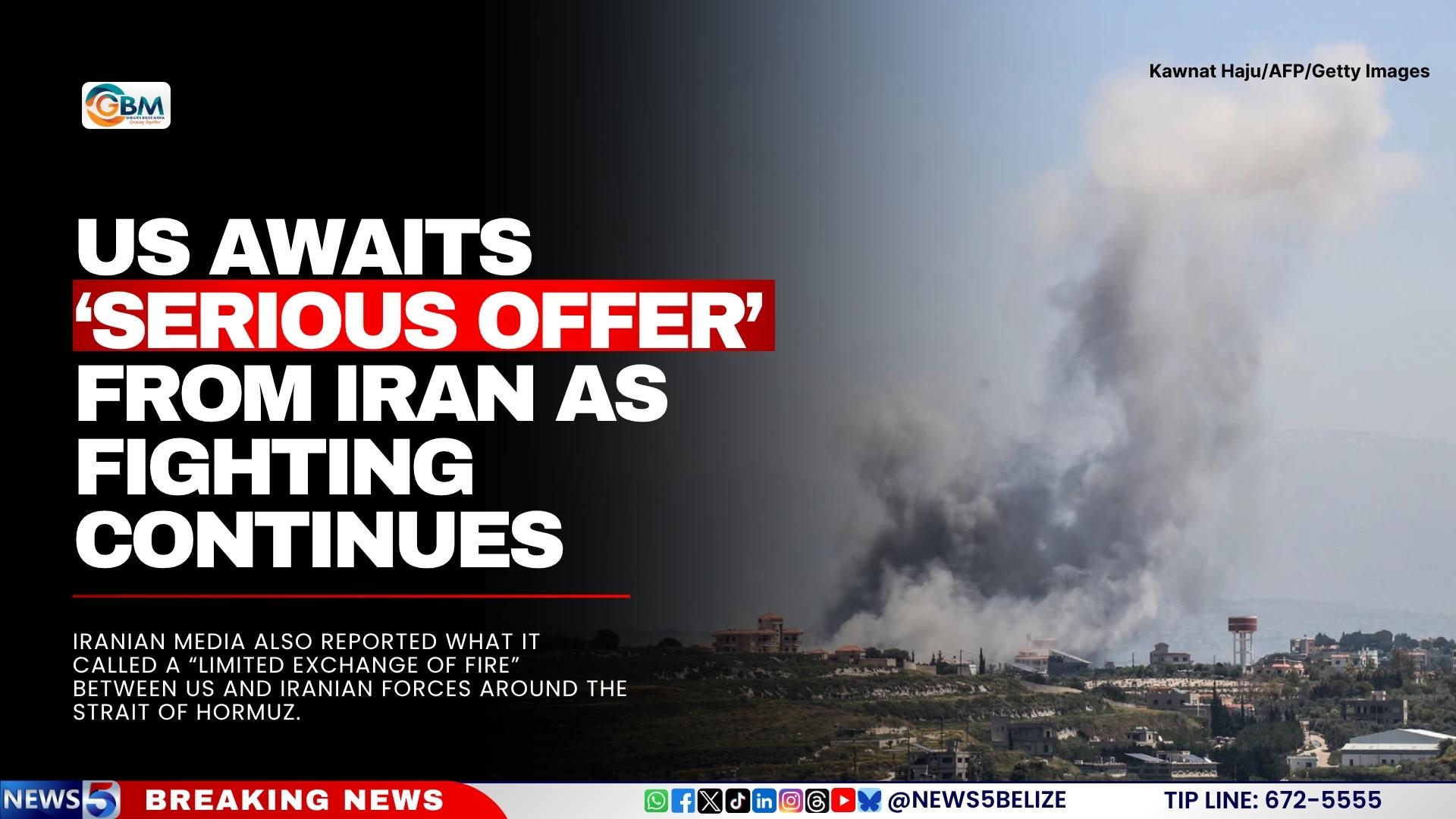
As cross-border fire exchanges continue to roil the Strait of Hormuz and surrounding waters, the United States is waiting for a formal response from Tehran to a diplomatic proposal crafted to de-escalate the ongoing regional crisis, multiple US sources confirmed to CNN on May 8, 2026.
US Secretary of State Marco Rubio stated Friday that Washington is pressing for what he called a “serious offer” from Iranian officials that would unlock tangible progress in negotiations aimed at ending the conflict. This push for diplomatic progress comes even as open fighting continues, contradicting claims from US President Donald Trump that a ceasefire between the two nations remains in place.
Hours before the diplomatic push, US Central Command confirmed that American military forces intercepted and disabled two Iranian-flagged oil tankers that attempted to break a US naval blockade off the coast of the Gulf of Oman. According to US military statements, Navy fighter jets carried out precision airstrikes targeting the vessels’ smokestacks to disable their propulsion systems, successfully blocking the tankers from reaching Iranian port facilities. There has been no immediate report of crew casualties from the strikes.
Tehran has already strongly condemned the interception, with state-run Iranian media acknowledging that a “limited exchange of fire” between US and Iranian forces played out across the Strait of Hormuz on Friday morning. Local witness accounts confirm sustained gunfire and loud explosions echoed across the waterway for multiple hours during the clash. Iranian officials have labeled the latest US military action a “reckless military adventure” that deliberately targets civilian maritime infrastructure and intentionally escalates tensions in the already volatile Persian Gulf region.
Beyond the direct clashes between Washington and Tehran, the crisis is now spilling across the broader Middle East and pushing the region closer to a full-scale regional war. In the United Arab Emirates, local authorities confirmed three civilians were injured in a new wave of attacks linked to pro-Iranian militant groups, marking the first reported civilian casualties linked to the crisis outside the primary conflict zone in recent days.
In southern Lebanon, the spillover has already turned deadly: Lebanese officials reported Friday that Israeli airstrikes on southern communities killed at least 10 people and destroyed large swathes of farmland and agricultural infrastructure, a critical source of livelihood for local residents. The Iran-backed militant group Hezbollah quickly claimed responsibility for multiple retaliatory strikes targeting Israeli military positions along the shared border, amplifying fears that the confrontation between the US and Iran will draw in more regional powers and expand into a wider conflict.
The instability has also already begun to ripple through global markets, with economists warning that persistent disruptions to shipping traffic through the Strait of Hormuz — a chokepoint through which roughly 20% of the world’s daily oil supplies pass — are driving up global energy and fuel prices. Higher energy costs are in turn pushing up prices for basic consumer goods across dozens of developed and developing economies, placing new financial strain on households already grappling with post-pandemic cost-of-living challenges.
Right now, the eyes of the international community remain fixed on Tehran, waiting to see whether the Iranian government will deliver the substantive response Washington has demanded. All sides are watching closely to see if diplomacy can reverse the current trajectory of escalating violence and head off a catastrophic regional war that would send shockwaves across the global economy.