In a landmark step toward strengthening child and family welfare across the nation, Belize has launched a new coordinated effort to standardize and localize parenting support resources, bringing together government bodies, child welfare advocates, and UNICEF for a foundational policy workshop on May 7, 2026.
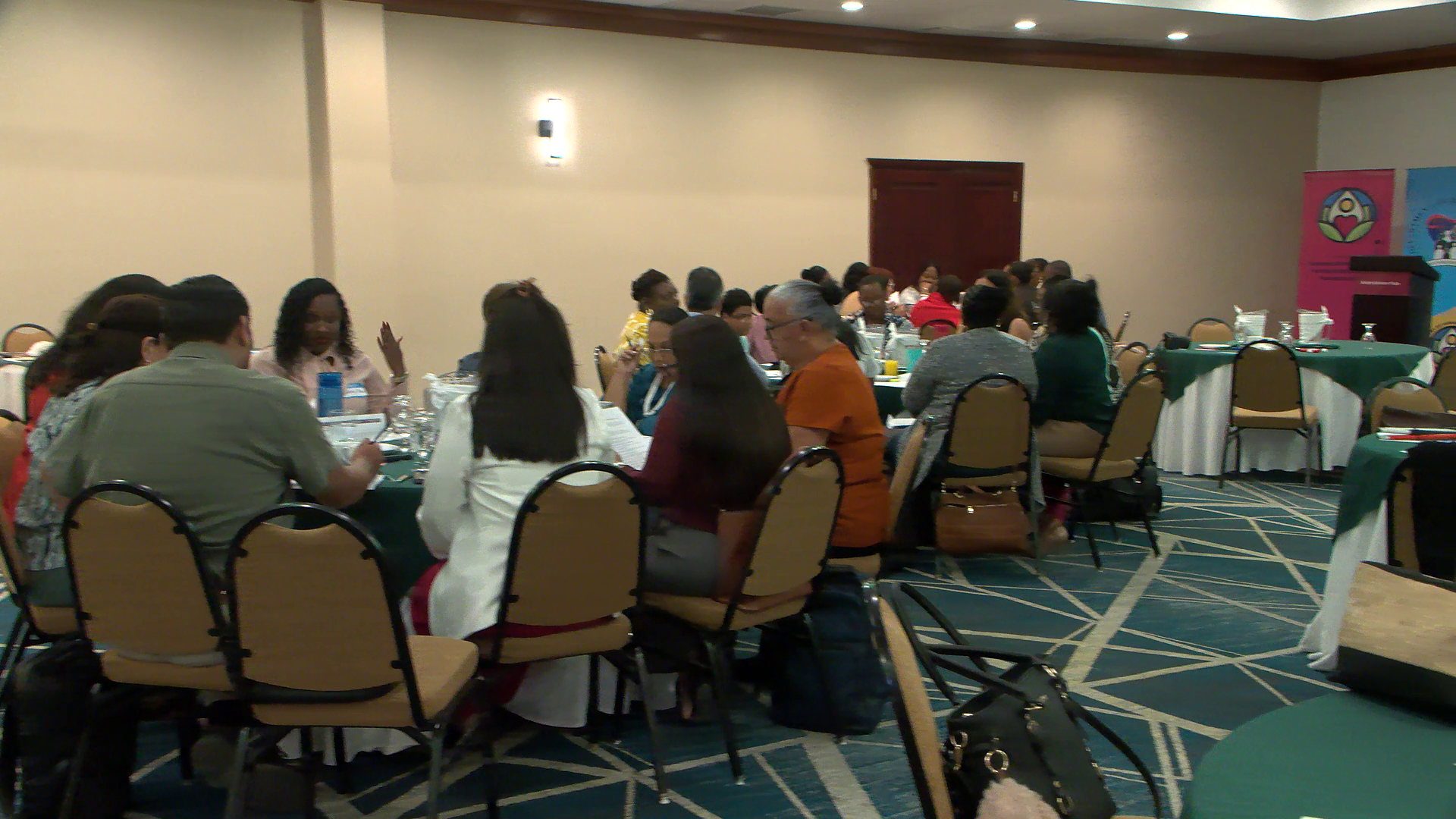
Ditching the outdated top-down policy development model that has left support fragmented for years, stakeholders gathered for the Parenting Guide and Policy Validation Workshop to co-design a unified national parenting framework tailored to the specific cultural and social context of Belize. The initiative addresses a longstanding gap: for years, organizations offering parenting education across the country have relied on inconsistent, externally sourced materials—some pulling guidance from Caribbean neighbors like Jamaica, others adopting resources from the U.S. or Europe, none aligned to Belize’s unique community needs.
Diana Pook, Human Development Coordinator at Belize’s Department of Human Services, explained that the new framework grows directly from nationwide community consultations that revealed the scope of the inconsistency. “After a consultation, what we noted was that different organizations use different information to do their parenting workshops for parents throughout the country of Belize,” Pook said. “So what we did based on what we found at the consultations, we looked at what Belize has and what is culturally appropriate for Belize and putting it both in the policy and looking at the guide as well.”
Shakira Sutherland, director of the National Commission for Families and Children (NCFC), emphasized that the collaborative, consultative process is designed to unify the work of the dozens of independent entities offering parenting support across Belize. Many of these groups have operated in isolation for years, unaware of the National Parenting Committee and lacking aligned guidance to serve families consistently. “It’s important for us to all be on the same page in terms of parenting, especially with our Belizean children,” Sutherland noted. The new national policy will serve as an overarching, up-to-date reference that reflects modern challenges facing Belizean families today.
UNICEF Belize, which has partnered with the Belizean government and local agencies on the initiative, says that investment in evidence-based parenting support delivers widespread, long-term public benefits. Michelle Segura McGann, Child Protection Officer at UNICEF Belize, noted that global health and development bodies including UNICEF, the World Health Organization, and the Pan American Health Organization have all identified evidence-based parenting programs as key drivers to advance global sustainable development goals. These programs reduce violence against children, improve health and nutrition outcomes, and support holistic child development.
“Parenting is a health issue, an education issue, a social protection issue,” McGann explained, adding that the new framework ties together a range of ongoing national programs focused on child development, from roving caregiver initiatives to nutrition schemes, education access efforts, and campaigns to end violence against children.
The core goal of the national push is to eliminate geographic disparities in access to quality parenting support. Moving forward, organizers say, no matter where a family lives—whether in the northern district of Corozal, the urban center of Belize City, or the southern town of Punta Gorda—they will be able to access the same consistent, culturally appropriate level of support to build healthy, strong homes for children. The report was filed by News Five’s Shane Williams from the workshop.