A small cluster of hantavirus infections linked to a Central Atlantic cruise ship has triggered monitoring efforts from regional and global health bodies, who are working to ease public panic while reinforcing border surveillance protocols.
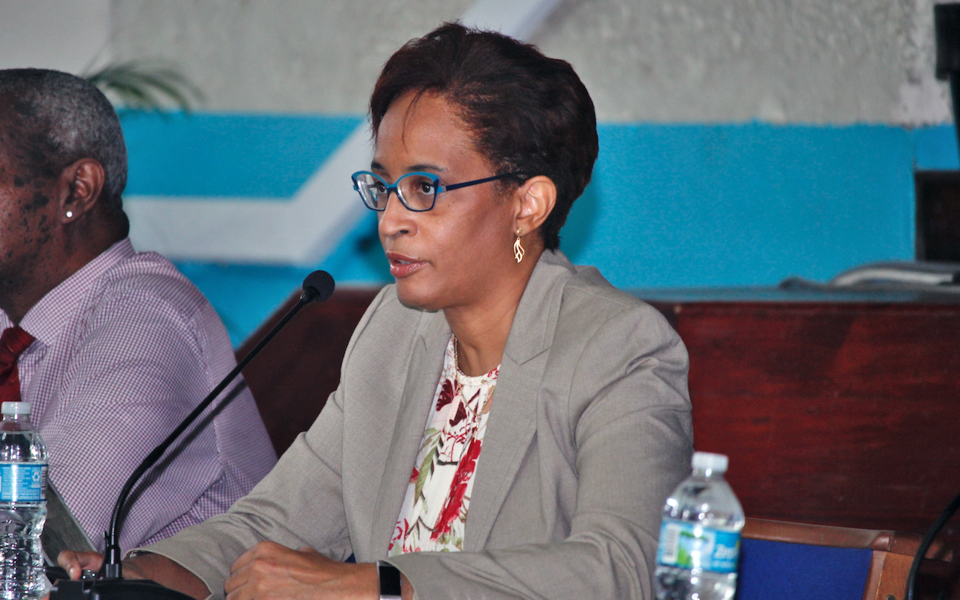
Local medical leaders in Barbados, a key Caribbean cruise hub, have moved quickly to reassure residents and visitors that the situation remains contained. Dr. Lynda Williams, president of the Barbados Association of Medical Practitioners, told local outlet Barbados TODAY that there is no current justification for widespread alarm. “We are watching it, we’re observing and we’re listening to the updates,” Williams said, noting that the World Health Organization has not issued elevated warnings at this stage.
Williams explained that while hantavirus is not typically transmissible between humans, the variant identified in the current cluster—the Andes strain—is the only documented subtype capable of limited person-to-person spread. She confirmed the affected cruise vessel has been placed under full quarantine, and the outbreak is currently under control. Hantavirus is extremely rare in Barbados, Williams added, with local cases almost always tied to direct rodent exposure, and she has only treated three to four cases across her entire decades-long career. Far more common bacterial infections like leptospirosis pose a far greater regular public health risk on the island, she noted. “It is nothing to worry about as yet. There’s nothing that has indicated to us that this is being spread in a widespread manner that is even an epidemic, furthermore, pandemic. There’s no need to panic,” Williams said.
The global public health community was first notified of the cluster last Saturday, when the United Kingdom’s International Health Regulations focal point alerted WHO to a group of respiratory illnesses among passengers and crew aboard the Central Atlantic cruise ship. Laboratory testing has already confirmed hantavirus in one critically ill patient. As of Thursday, WHO Director-General Tedros Adhanom Ghebreyesus reported a total of eight identified cases: five confirmed infections and three suspected cases, all linked to the rare Andes strain.
The Caribbean Public Health Agency (CARPHA), the regional body coordinating public health across Caribbean nations, has also joined efforts to calm growing public anxiety, confirming Wednesday that the overall regional risk remains low. “At this time, the risk to the Caribbean region is considered low,” said CARPHA Executive Director Dr. Lisa Indar. She explained that in the Americas, hantaviruses are most often carried by wild field rodents rather than common urban rat populations, a trait that makes sustained community transmission far less likely.
Even with the low current risk, CARPHA is urging member states to maintain active vigilance and strengthen public health surveillance at major ports of entry, given the Caribbean’s outsized role in the global cruise industry. The region accounts for roughly 44% of global cruise traffic, and welcomed an estimated 16.3 million cruise passengers in 2025 alone. Indar noted that CARPHA’s existing Tourism and Health Information System and Caribbean Vessel Surveillance System are already active as key early warning tools to detect and respond to public health threats linked to tourism and maritime travel.
Global WHO officials have further clarified the risks of the current outbreak, drawing a clear line between this hantavirus cluster and the emergence of COVID-19 in 2020 that triggered a global pandemic. “At this stage, the overall public health risk remains low,” Tedros confirmed. “This is not SARS-CoV-2. This is not the start of a COVID pandemic,” added Maria Van Kerkhove, WHO’s acting director for epidemic and pandemic management.
For context, hantaviruses are a family of viruses naturally hosted by rodent populations that can cause severe, life-threatening illness in humans. Most human infections occur after direct contact with infected rodents, or exposure to their urine, droppings, or saliva. In the Americas, including South America where the Andes strain originates, infection causes hantavirus cardiopulmonary syndrome (HCPS), a severe respiratory condition with a case fatality rate as high as 50%. The Andes strain is the only hantavirus subtype with confirmed limited human-to-human transmission, which only occurs after close, prolonged contact between people—most commonly among household members, intimate partners, or healthcare workers treating infected patients. In Europe and Asia, different hantavirus subtypes cause hemorrhagic fever with renal syndrome (HFRS), marked by high fever, kidney damage or failure, and internal bleeding.