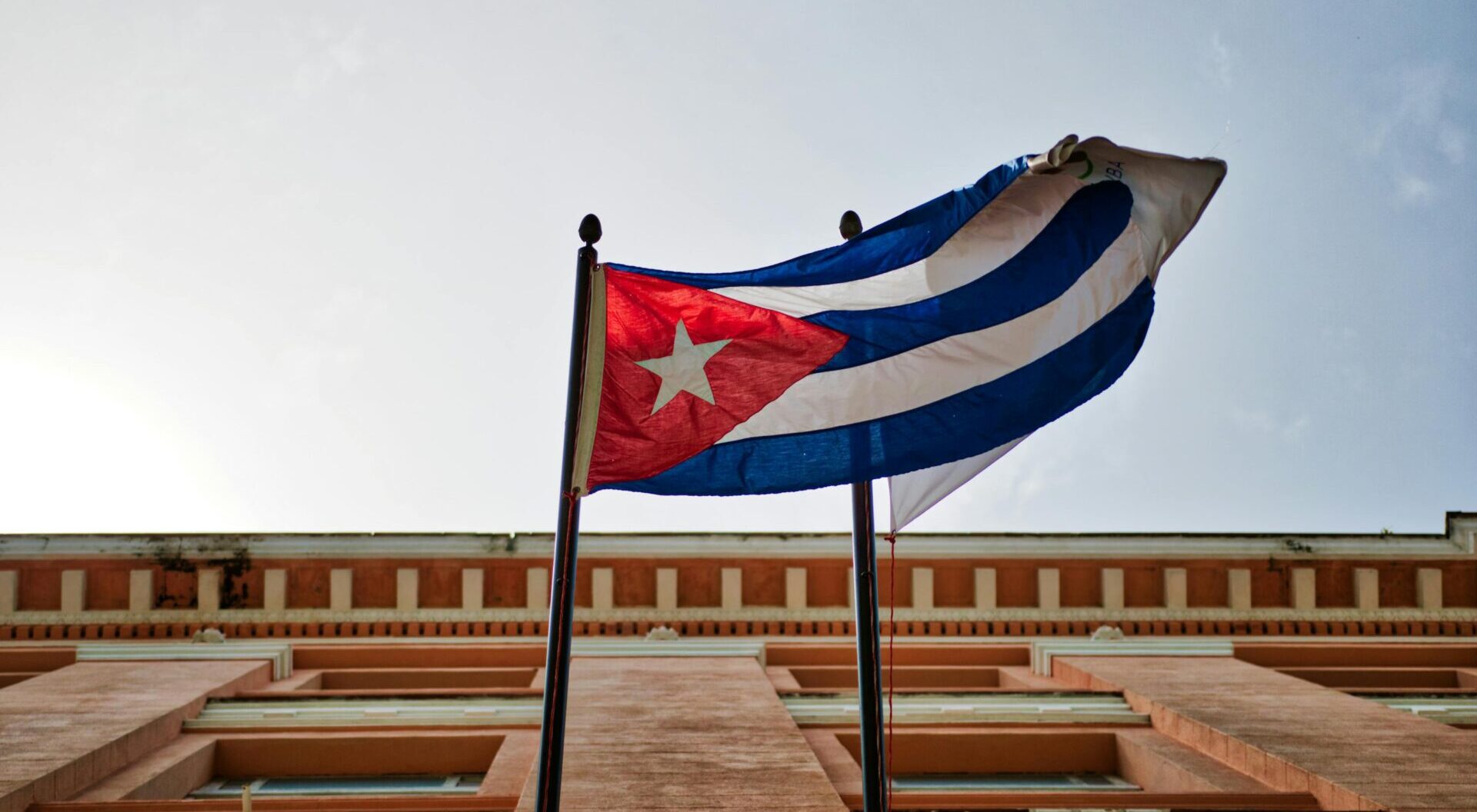
A fresh round of U.S. sanctions targeting Cuba has deepened a months-long pressure campaign against the Caribbean island nation, announced just hours after United Nations experts slammed Washington’s restrictions on Cuban fuel supplies as a campaign of “energy starvation” that threatens humanitarian catastrophe.
The new measures, revealed by the U.S. Department of the Treasury on May 7, 2026, mark the first enforcement action stemming from a White House executive order signed on May 1 that escalates Washington’s decades-long economic, financial, and commercial blockade of Cuba to unprecedented levels, according to Cuba’s Ministry of Foreign Affairs. In an official statement released via the Cuban embassy, Havana issued a fierce rejection of both the executive order and the latest sanctions, which add two major Cuban entities — the group Gaesa and mining firm MoaNickel S.A. — to the U.S. Specially Designated Nationals List.
Cuban officials characterize the move as a brutal act of economic aggression designed to expand the blockade’s impact far beyond U.S. borders, opening the door to secondary sanctions against foreign companies, banks, and third-party entities even when their operations have no legitimate connection to U.S. commercial activity. This extraterritorial overreach, the statement argues, directly violates core principles of international law and the foundational norms of global free trade, while infringing on the sovereign right of all nations to maintain independent economic and diplomatic relations with Cuba.
The Cuban government links the latest sanctions escalation to restrictive energy measures imposed by the Trump administration in January 2026, which severely disrupted the country’s fuel imports. Together, the combined measures are pushing Cuba’s already fragile economy to the breaking point, exacerbating existing shortages of basic goods and amplifying the risk of a full-scale humanitarian crisis. U.S. diplomatic and financial pressure designed to discourage global engagement with Cuba is a deliberate tactic to cut the island off from global markets, Cuban officials say, part of a broader strategy to weaken the national economy and inflict widespread hardship on the Cuban people in an attempt to force political change.
Worsening conditions, the ministry warns, could be leveraged by Washington as a pretext for further escalatory actions against the country. Cuba rejects any claim that external pressure justifies interference in its domestic political and economic systems, and stresses that it will continue to defend its sovereignty through diplomatic channels in international forums.
“We denounce the criminal nature of these aggressive measures aimed at forcing the entire Cuban population to surrender through hunger and desperation and at attempting to create a social, economic, and political catastrophe on a national scale,” the statement reads. “We also reject the U.S. government’s intention to create a humanitarian crisis in order to justify more dangerous actions, including military aggression against Cuba.”
U.S. restrictions on Cuba have a decades-long history: the original trade embargo was first imposed in 1962, and it remained in place until President Barack Obama normalized relations and lifted most sanctions during his tenure. The Trump administration reimposed sweeping restrictions in January 2026, launching a targeted energy blockade that has been expanded further through the May 1 executive order and this week’s new sanctions designations. The UN experts’ recent warning that U.S. policy has already created a crisis of “energy starvation” adds international condemnation to the escalating standoff, as Cuba calls on the global community to reject Washington’s unilateral measures and defend the principle of national sovereignty.