As climate forecasts point to a heightened risk of severe drought later this year, the government of Belize has moved ahead of the curve to activate a comprehensive support plan for agricultural producers across the country’s most vulnerable regions.
Developed over nearly two years of collaborative work between the Belizean Ministry of Agriculture, Food Security and New Growth Industries, the National Meteorological Service, and the United Nations World Food Programme (WFP), the initiative introduces a first-of-its-kind Anticipatory Action system for the country. The framework was greenlit after long-range weather projections confirmed a high probability of below-average rainfall across Belize in the coming months.
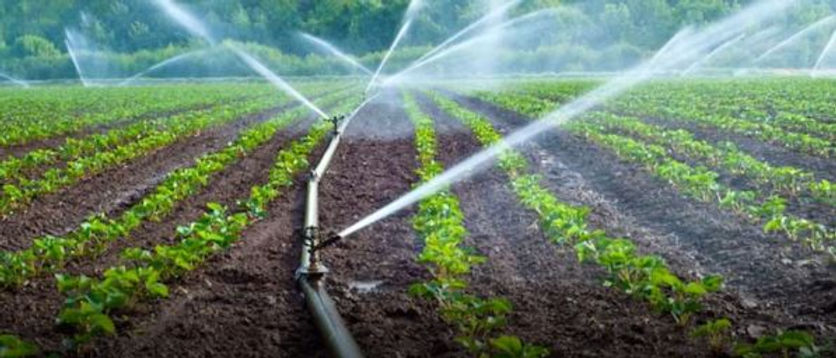
The core of the program delivers advance cash assistance to smallholder and commercial farmers operating in Orange Walk, Corozal, and Cayo — the three regions identified as facing the greatest drought risk. With this flexible funding, producers can invest upfront in drought adaptation tools: reinforced water storage infrastructure, climate-resilient seed varieties, and expanded irrigation equipment that will help them preserve crops through extended dry periods. Government officials emphasize that this pre-emptive investment is designed to lock in crop protection and cut avoidable production losses before drought conditions even set in.
The proactive approach comes as climate scientists warn that El Niño conditions, which typically bring drier-than-average weather to much of Central America, are on track to develop by July. Northern and western Belize, the regions that host the bulk of the country’s small-scale agricultural operations, are particularly exposed, as most local farming systems rely entirely on natural rainfall rather than established irrigation networks.
For WFP Representative Brian Bogart, the shift from post-disaster response to pre-emptive action marks a critical evolution in climate risk management. “Acting before a crisis hits doesn’t just protect farmers’ harvests — it safeguards their livelihoods and cuts the long-term public cost of emergency disaster response,” Bogart explained. “When farmers are able to keep their crops healthy and their incomes stable, entire communities avoid the cascading impacts of drought that can last for years after dry conditions end.”
In recent years, Belize has seen a steady increase in the frequency and intensity of extreme climate events including prolonged droughts, a trend that has placed growing economic pressure on the agricultural sector — one of the country’s largest employers and export earners. Belizean authorities frame the new Anticipatory Action system as a foundational step toward more proactive climate planning, designed to build long-term resilience for the rural communities that are most vulnerable to shifting weather patterns.
The entire initiative has been made possible through financial and technical support from a coalition of international development partners, including the governments of Canada, Ireland, and the United States, along with the European Union. This international backing has allowed Belize to build out the data infrastructure and delivery systems needed to turn early climate warnings into tangible action for at-risk producers.
As the country prepares for the potential dry spell, officials stress that this pre-emptive model sets a new standard for climate adaptation across small island and developing states. By acting early, Belize aims not only to reduce immediate drought damage and protect rural livelihoods, but also to strengthen the nation’s overall capacity to face growing climate challenges in the decades ahead.