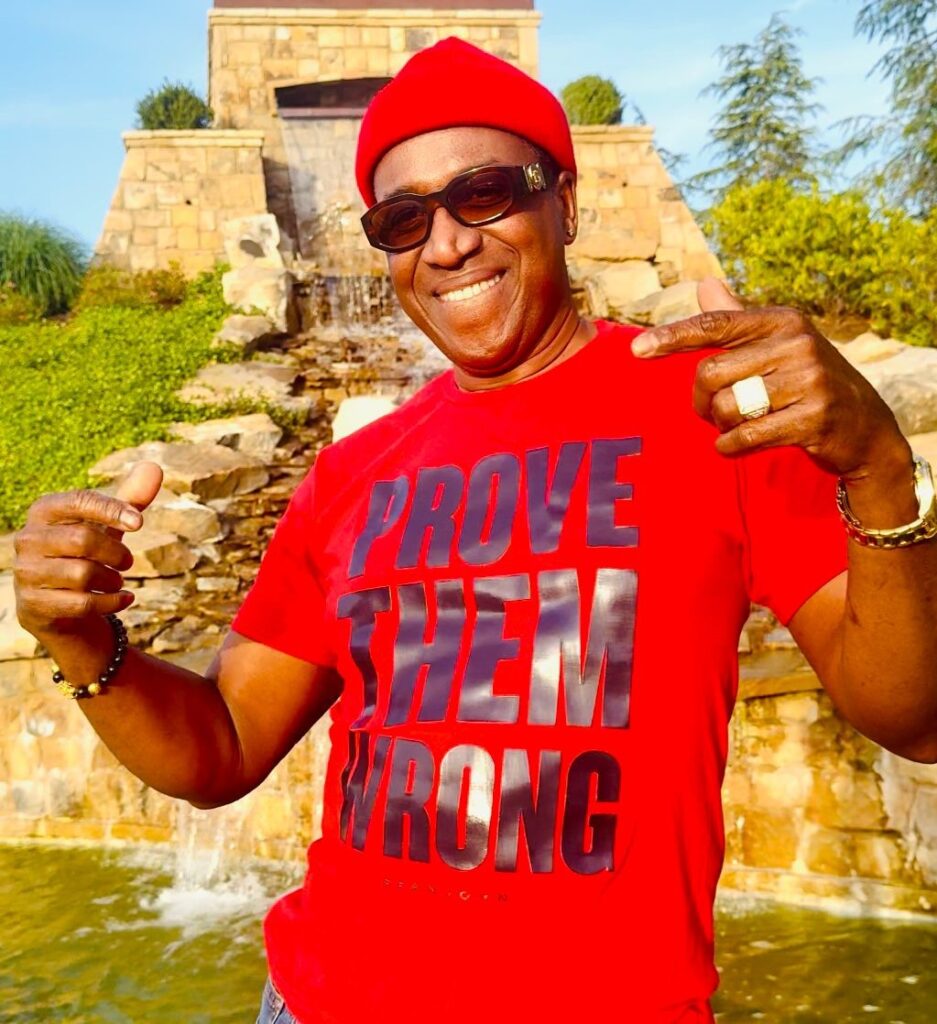
For decades, reggae vocalist Anthony Malvo has built his career winning over fans with the smooth, romantic sounds of lovers’ rock, delivering beloved tracks including his collaborations *Come Back to Me* with Tiger and *Can’t You Stop The Rain*. But on his newly released track *Corruption*, the veteran artist abandons soft romantic themes for unflinching, no-nonsense social commentary.
Dropped in May, the hard-hitting single comes via New York-based production outfit Reggae Vibes Productions. On the track, Malvo pulls no punches calling out underhanded behavior across multiple sectors, targeting crooked politicians, powerful corporate leaders and bad-faith music industry insiders alike.
In an interview with Observer Online, Malvo broke down the core message of the track, explaining, “Di song is about people on a whole, di people who pretend…gatekeepers. Yuh si these corrupt people in front of yuh everyday.”
The idea for *Corruption* grew out of a casual conversation about current events between Malvo and a close friend. During their discussion, the friend brought up the pervasive culture of dishonesty that plagues modern society, and the pair quickly agreed that this rot extends far beyond the political and banking spheres that are most often associated with corrupt practice.
“They’re in political institutions, government institutions, music producers. They’re everywhere,” Malvo emphasized.
While romantic lovers’ rock makes up the bulk of Malvo’s discography, this is not the first time the artist has used his platform to call out harmful behavior. Previous socially conscious singles include *False Preacher* and *Bad Minded People*, and he most recently teamed up with fellow artist Hopeton Lindo on *Mental Health Awareness*, a track that raises awareness of communities living with psychological disorders.
Hailing from the Kintyre neighborhood of St Andrew, Jamaica, Malvo first cut his teeth in the music industry performing with local sound systems in the mid-1980s, before launching his professional recording career by the end of the decade. He earned his big breakthrough in 1987 with *Come With Me*, a iconic dancehall reimagining of The Deele’s R&B classic *Two Occasions* that cemented his place in reggae history.