Against the backdrop of a recent hantavirus outbreak linked to a cruise ship off West Africa that has left three people dead, Jamaica’s Ministry of Health has moved quickly to reassure the public that robust precautionary measures are in place to block the virus from reaching the country’s borders.
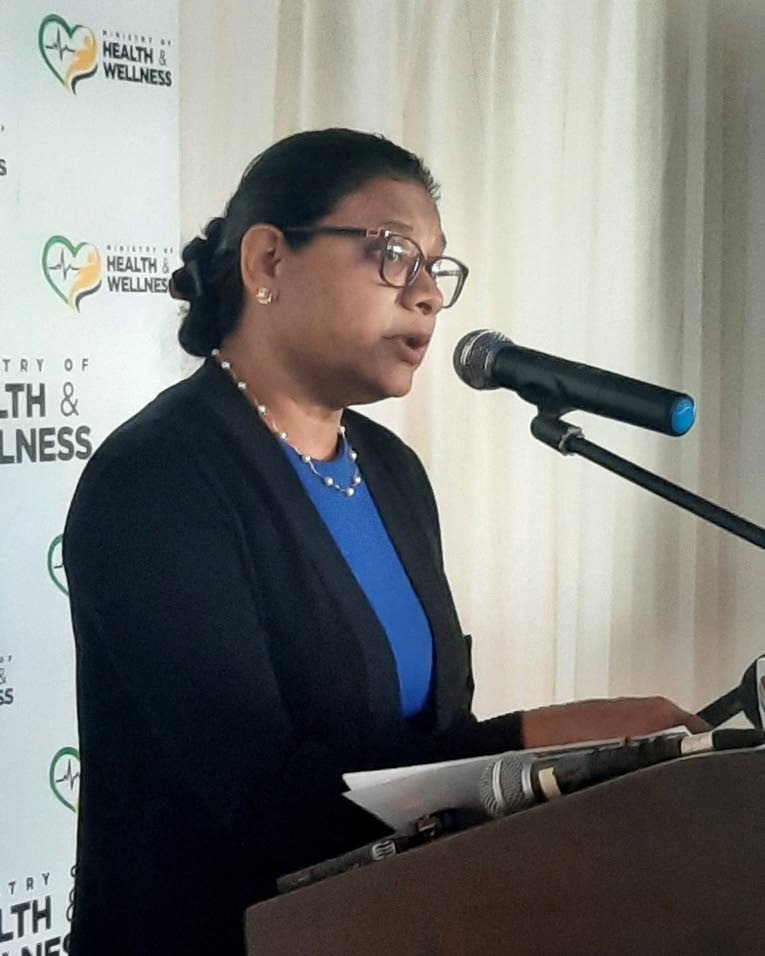
With Jamaica long established as a major regional hub for international cruise shipping, authorities have identified vessel arrivals as the highest priority point of entry for enhanced monitoring. Speaking at a post-Cabinet media briefing Wednesday, Chief Medical Officer Dr. Jacquiline Bisasor-McKenzie outlined the government’s stepped-up vigilance, noting that while the World Health Organization (WHO) currently assesses the risk of global hantavirus spread as low, the island nation is leaving no room for complacency.
“WHO’s current assessment pegs global transmission risk at low, but we are taking every possible step to stop the virus from entering Jamaica, especially through our cruise ports,” Bisasor-McKenzie said. “Given our status as a core cruise shipping hub, boosting our vigilance is a logical, necessary precaution.”
Public health protocols for incoming cruise vessels have been strengthened around three core pillars: early detection, rapid clinical intervention, and minimizing public exposure risk. All cruise ships bound for Jamaican ports are already required to submit a full maritime declaration of health before docking, which lists any cases of illness on board during the voyage. Under the new enhanced protocols, local health officials will conduct more rigorous reviews of these pre-arrival reports, followed by on-board inspections to verify the information provided before clearance is granted.
Bisasor-McKenzie also confirmed that all port health and environmental teams have completed updated sensitization training on hantavirus identification and response protocols, shifting the country’s response from reactive monitoring to proactive inspection.
To address potential risks from the virus’s natural reservoir, Jamaican veterinary and environmental health authorities have already completed nationwide surveys of rodent populations, the primary reservoir for hantavirus, and found no evidence of the virus circulating among local rodent communities.
Bisasor-McKenzie further explained key clinical facts about hantavirus to inform the public: the virus causes two life-threatening syndromes in humans, hantavirus pulmonary syndrome and hemorrhagic fever with renal syndrome. Initial infection presents with fever, before progressing to severe pneumonia, acute respiratory distress syndrome and potentially fatal shock. Symptoms develop between one and eight weeks after exposure, most commonly within a two-to-four-week window. The virus is primarily spread to humans through contact with infected rodents’ urine, feces or saliva. While human-to-human transmission is extremely rare, the Andes virus strain circulating in South America has been documented to spread between people through close contact with infected respiratory droplets or saliva.
On testing capacity, Bisasor-McKenzie confirmed that Jamaica does not currently have on-island facilities to process hantavirus tests, but has established a reliable testing pathway through the Caribbean Public Health Agency (CARPHA), headquartered in Trinidad and Tobago. Recent upgrades to CARPHA’s sample transport network have cut delivery times and improved reliability for Jamaican samples, and the ministry is also in ongoing discussions with the Pan American Health Organization (PAHO) to secure additional testing partnerships with global collaborating centers.
The heightened precautions come as eight cases of hantavirus – three confirmed, five suspected – have been reported on the cruise ship MV Hondius, currently anchored off the coast of West Africa, with three fatalities already recorded.