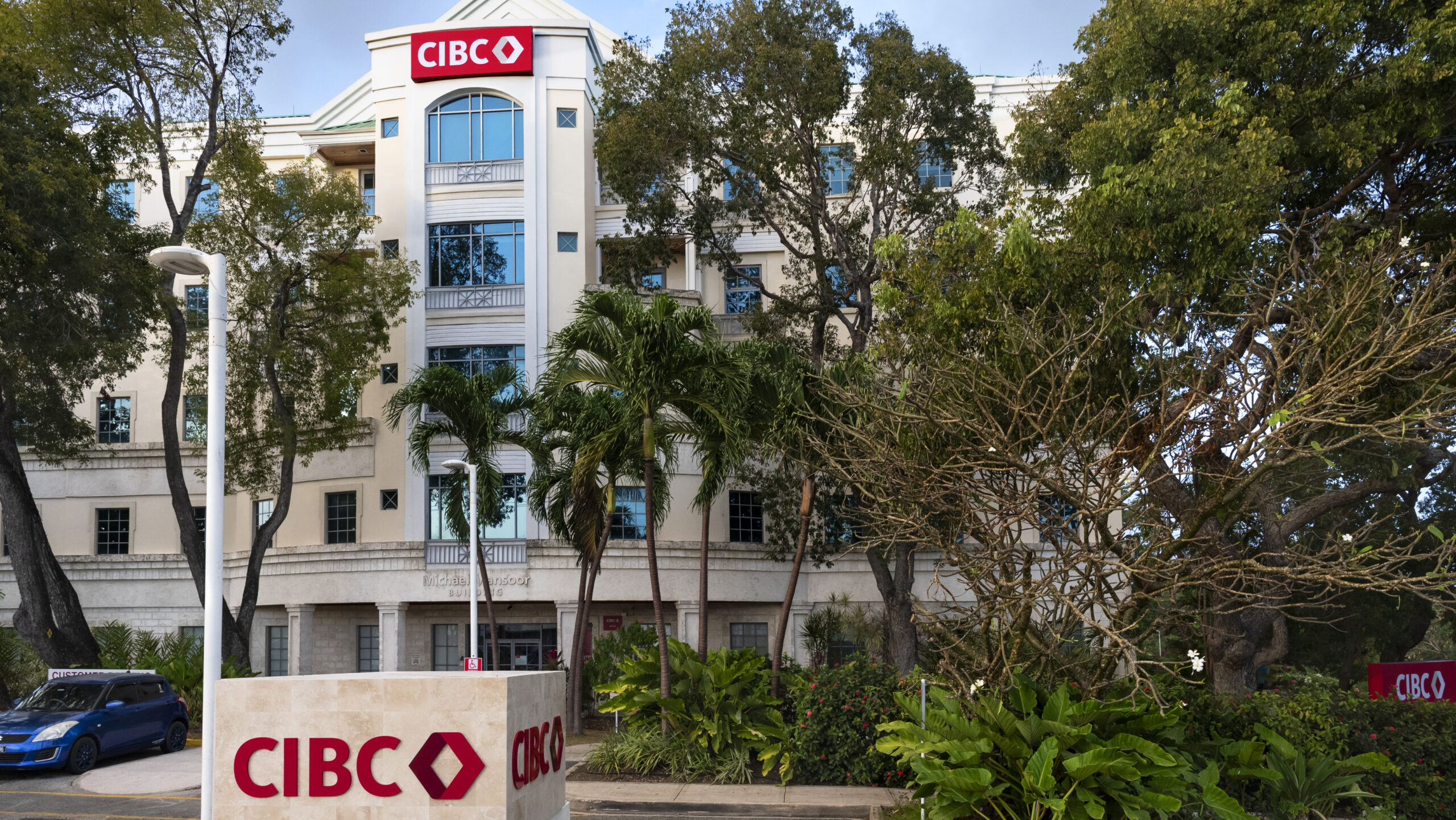
Amid a sharp rise in elaborate, multi-platform fraud schemes targeting banking customers, CIBC Caribbean has issued an urgent public warning, urging clients to heighten their vigilance against scammers impersonating bank staff to steal sensitive personal and financial data. The bank confirmed in an official statement released Tuesday that fraudulent actors are ramping up their operations across a wide range of digital and communication channels, using increasingly convincing tactics to trick consumers into disclosing private account information.
What makes the latest wave of scams particularly alarming is the scammers’ willingness to leverage mainstream digital collaboration tools to build false credibility. Fraudsters are now hosting fake meetings on platforms like Google Meet, where they display CIBC Caribbean’s official logo to convince targets that their communication is legitimate. Beyond video platforms, scammers also rely on common tactics including unsolicited phone calls, deceptive social media outreach, and fake email addresses crafted to closely mimic official bank domains. One common example cited by the bank is the address “cibccustomer@gmail.com” — a Gmail account designed to look like an official customer service channel to lower recipients’ guard.
In a clear clarification for its customer base, CIBC Caribbean emphasized that it will never initiate contact about sensitive account matters through these unorthodox channels. The institution stressed that none of its authorized representatives will reach out to customers via social media, text message, or unsolicited phone calls to request confidential information. This ban covers all high-risk sensitive data, including one-time verification codes (OTVC), personal identification numbers (PIN), full debit or credit card numbers, CVV security codes, and online banking login credentials. Additionally, bank officials will never instruct customers to download third-party remote desktop software or click on unvetted, suspicious links shared through informal channels.
For customers who encounter suspicious outreach, the bank has outlined clear step-by-step security protocols. The first action anyone should take upon receiving an unexpected request for personal banking details is to immediately cut off contact with the potential imposter, then document the attempt to share with the bank’s security team. CIBC Caribbean urges all targets of suspected scams to avoid engaging with the fraudsters, and to report all suspicious activity directly to the bank’s dedicated Fraud Team at fraud@cibccaribbean.com, including a screenshot of the suspicious call or message whenever possible.
For customers who realize they have already shared sensitive information with an impersonator, the bank advises an immediate response: contact the official customer service line printed on the back of your debit or credit card without delay to lock down your account and prevent unauthorized access. While CIBC Caribbean noted that it maintains industry-standard robust protective systems to safeguard customer data, the institution reminded the public that digital account security is a shared responsibility. The bank reaffirmed its ongoing commitment to protecting customer personal and financial information, but emphasized that consistent vigilance from customers remains a critical line of defense against evolving fraud tactics, working in tandem with the bank’s security infrastructure to keep accounts safe.