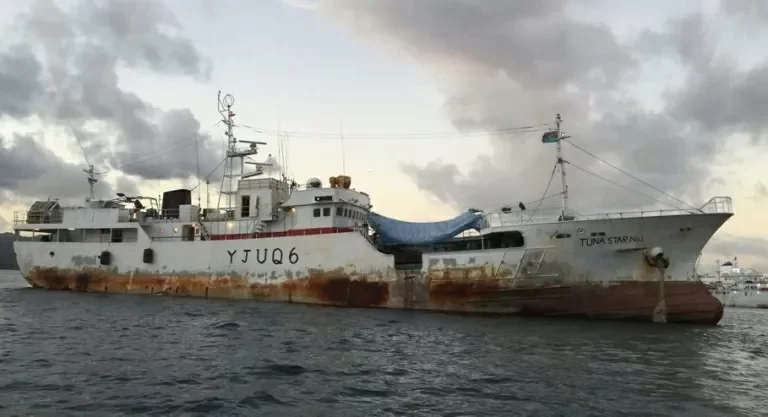
GEORGETOWN, GUYANA – In a move that underscores growing regional sensitivity around foreign commercial fishing activity, Guyana’s agricultural authorities have formally denied a permit request from Chinese seafood firm Grandeast Seafood Inc. to operate six of its own fishing vessels in local waters. Guyana’s Minister of Agriculture Zulfikar Mustapha confirmed the rejection publicly on Monday, adding that no ongoing negotiations are underway to reverse the decision and grant approval at a later date.
Grandeast Seafood, a subsidiary of China-based Hong Dong Fisheries Co., Ltd., has operated a fish and shrimp processing facility in Guyana since July 2018. The company poured roughly $20 million into building the modern plant, which boasts a total annual processing capacity of 5,000 to 6,000 metric tons of finfish and 10,000 to 12,000 metric tons of shrimp. However, the facility has consistently operated far below full capacity due to inconsistent local supply of raw seafood. Since opening, the plant has only processed an average of 2,500 metric tons of finfish and 700 metric tons of shrimp annually, creating lost production and revenue for the firm. To fix this persistent supply gap, Grandeast Seafood submitted its permit application to operate six company-owned fishing vessels last year, which has now been turned down.
In its application, the Chinese firm emphasized that all six vessels would operate strictly in compliance with Guyana’s existing fisheries laws, and would not disrupt the livelihoods of local small-scale fishermen. The company also argued that operating its own vessels would create new skilled job opportunities and training programs for local crew members, delivering tangible economic benefits to Guyana’s coastal communities.
The permit rejection has drawn close attention from neighboring Suriname, a country with its own sizable fishing industry that has struggled for years with unregulated foreign fishing in its territorial waters. Suriname’s authorities have repeatedly intercepted Chinese fishing vessels conducting illegal, unreported, and unregulated (IUU) fishing in Suriname’s claimed maritime territory over the past decade. These repeated incidents have already prompted the country to ramp up maritime patrols, strengthen enforcement measures, and hold high-level diplomatic talks with Chinese officials to address the issue of overexploitation of shared regional fish stocks.
Suriname has repeatedly stated that it remains fully committed to upholding the integrity of its maritime borders, protecting domestic fishing grounds for local operators, and ensuring long-term sustainable fishing practices across the region. The outcome of Grandeast Seafood’s permit application in Guyana is widely viewed as a key indicator of how Caribbean South American nations will approach foreign investment in their fishing sectors moving forward, balancing potential economic gains against concerns over resource sovereignty and local livelihood protection.